The Ronald McDonald House Helps
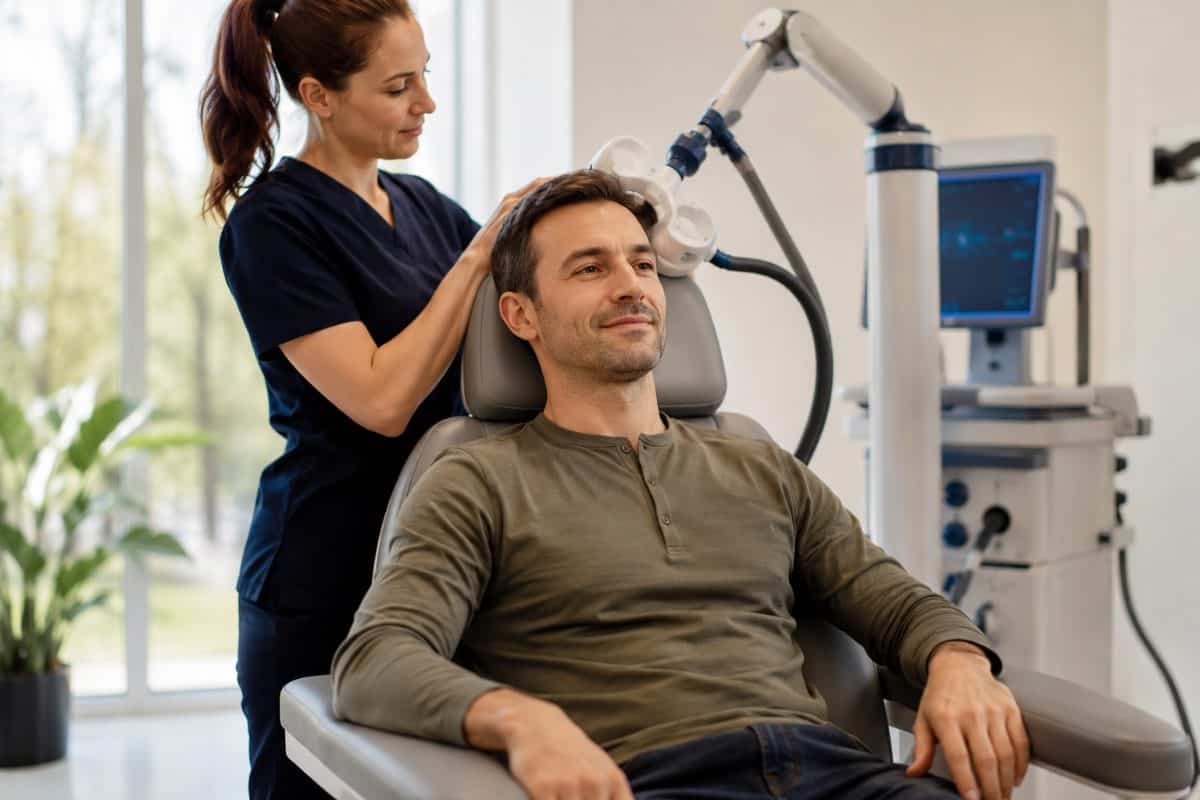
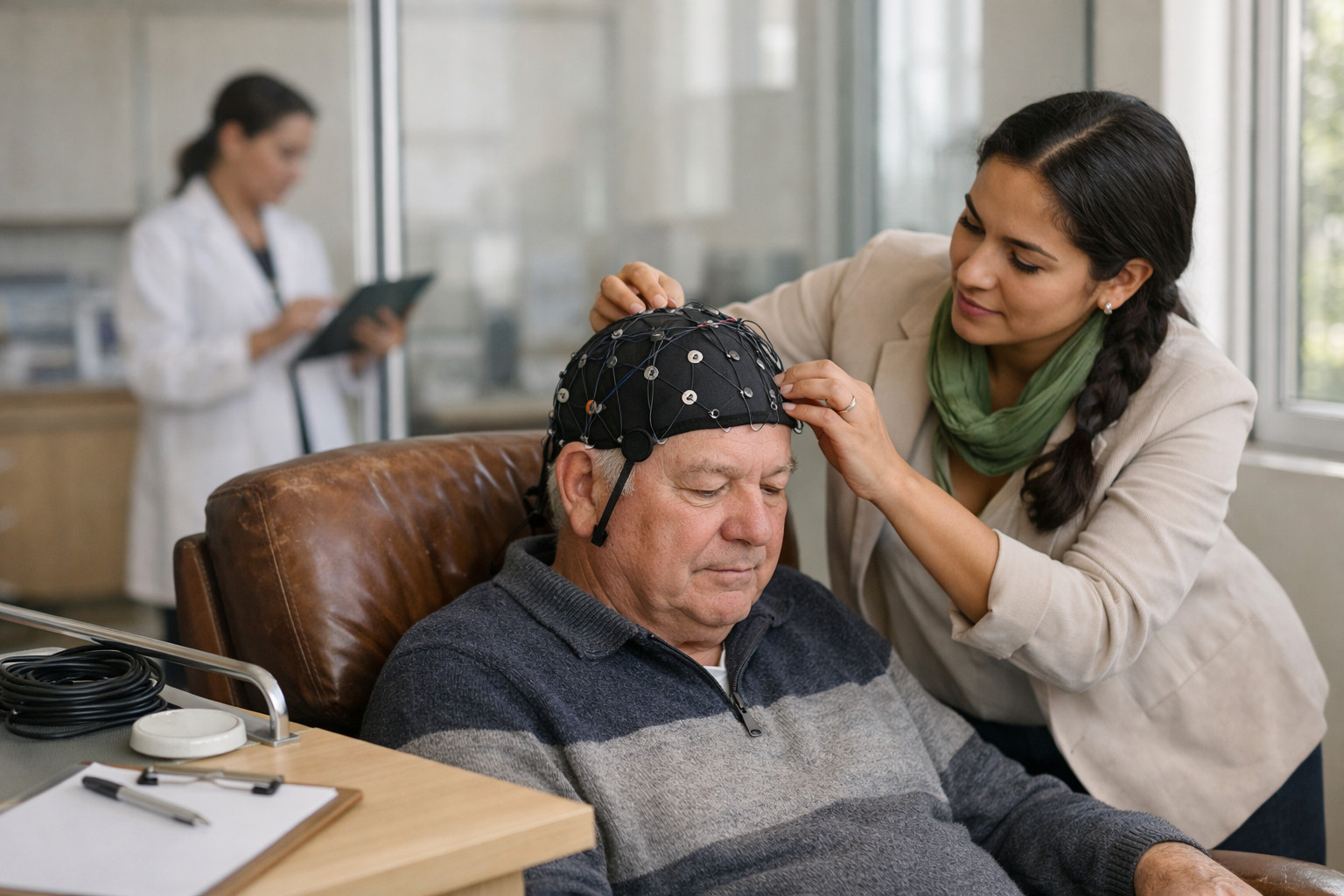
There are many patients and their families who travel far distances to receive treatment here at Brain Performance Technologies (BPT). They are willing to travel the distance because of the positive changes that this brain stimulation technology has on patients in many different scenarios. Younger patients with autism or Autism Spectrum Disorder (ASD) visit our clinic for MeRT (Magnetic eResonance Therapy) and it is helpful for many other conditions including depression, PTSD, ADHD, anxiety, OCD, and traumatic brain injury. More information on these conditions and others can be found on our website. MeRT is a non-invasive neuromodulation technique that utilizes electromagnetic fields to stimulate brain activity. One of the biggest improvements in autism patients we have found is in their ability to communicate with others. People with ASD often struggle with understanding and using verbal and nonverbal communication, such as gestures, facial expressions, tone of voice, and body language, which can lead to difficulties in forming and maintaining relationships, understanding social cues, and engaging in reciprocal conversations. There are many testimonials on our website that showcase just how much a positive change MeRT can have on patients, for example Madeleine M.’s testimonial regarding her son who is on the spectrum:
“Five weeks into our treatment and my son was not only more verbal than before, but his speech was functional, and was talking in long sentences. He was also very engaged instead of stimming uncontrollably and trapped in his own world. He also became very affectionate and started giving us hugs and kisses whereas before he would just stare blankly at us and would refuse physical contact.”
Stories like this are the reason why people are willing to travel from other cities and states to receive this treatment.
Treatment requires consistency and dedication. Our treatment includes 30–45-minute sessions five days a week for the span of 4-6 weeks. However, after a discussion with Dr. Geraci you may be able to have two sessions a day with 4-hour breaks in between to conclude treatment sooner. This kind of commitment can be difficult, especially for people who travel far distances. There are several resources that can help those who do not live in the Bay Area or are having difficulty affording treatment.
Ronald McDonald House – Bay Area
Ronald McDonald House Charities (RMHC) is a non-profit corporation that supports its local community and is able to provide more than $16 million worth of services annually. Its mission is to be there for sick kids and their families by providing comfort and support when and where they need it most. They have locations in the Bay Area including San Francisco, Stanford (i.e. Palo Alto, CA), and Oakland. We recently acquired a patient who lives around 3 hours away from our clinic here in San Jose, CA and they are able to live at the Ronald McDonald House while their child undergoes treatment. Thanks to donor support, no family is ever turned away from the Ronald McDonald House due to inability to pay. You can learn more about their eligibility criteria and request housing on their website.
Thanks to the invaluable support of the owners, customers, suppliers, and employees of the Greater Bay Area McDonald’s Cooperative, Ronald McDonald House Charities has been able to provide for children and families since 1974. Dr. Audrey Evans was the founder of the first Ronald McDonald House in 1974. Her passion for helping children and their families stemmed from her work in pediatric oncology, where she accommodated nearly every request from her patients. Dr. Evans was known for her kindness towards her patients and their families. There were even times when she broke protocol to bring in her patients’ pets in order to put a smile on their faces and encourage them to keep fighting. She believed that there was more to these children than their sick bodies. The Stanford Ronald McDonald House opened with only 13 rooms and has now grown to host over 123 families at a time, becoming one of the largest Ronald McDonald Houses in the world. But how are they able to keep the doors open? “Can I get a large fry and a shake?”
McDonald’s provides support through the sale of items including 1 cent of every pound of fries sold and 25 cents from every small Shamrock Shake and Eggnog Shake sold locally in the Bay Area. The McDonald’s National Fundraiser also encourages their customers to contribute to the RMHC Donation boxes throughout November; as well as customers choosing to Round Up and donate to the Donation Boxes. The McDonald’s community extends from just purchasing food; their volunteerism, board participation, and media donations all contribute to the impact made on thousands of children and families.
Airbnb
Airbnb can often be cheaper than hotels when staying for a long period of time. We encourage you to look both at hotels and Airbnb when finding a place to stay in the Bay Area while undergoing treatment. Fortunately, Airbnb began a program known as Open Homes, which hopes to help find temporary housing for vulnerable communities around the world. You can find more information on this program here. You may be able to find accommodations.
Achieving A Better Life Experience Act
Treatment, whether it is MeRT or not, can be very expensive and is often not covered by insurance. It can be very frustrating knowing that you or your child needs a certain treatment, but you are not able to afford it. The Achieving a Better Life Experience Act (ABLE) was enacted in 2014, allowing individuals with disabilities to establish tax-advantaged saving accounts without jeopardizing their eligibility for means-tested government benefits like Medicaid or Medi-Cal. They are able to receive contributions, grow tax-free, and withdraw money for qualified disability expenses tax-free. If your state does not offer ABLE, you can open an ABLE account in any state that accepts outside residents. There are several patients at BPT who have used an ABLE account to help with the cost of treatment. You can learn more about ABLE on our website.