MeRT for Autism: A Parent’s Guide to What to Expect
If you are a parent exploring options for your child on the autism spectrum, you have probably encountered a lot of bold claims and very little plain explanation. MeRT is one approach that comes up often, and it deserves a clear, honest walkthrough rather than hype. This guide focuses on what the process actually looks like, what the evidence does and does not say, and the questions worth asking, so you can make an informed decision for your family.
One thing up front. This article is educational and is not medical advice, and it is not a promise of any particular result. Autism is highly individual, and any decision about treatment should be made with qualified clinicians who evaluate your child personally.
What Is MeRT for Autism?
MeRT stands for Magnetic e-Resonance Therapy. It combines two ideas: brain mapping through a QEEG, and gentle, non-invasive magnetic stimulation similar to TMS. The mapping step records your child’s brainwave activity and analyzes how different regions are communicating. That information is then used to personalize how stimulation is approached. Our overview of MeRT technology and our explainer on QEEG brain mapping describe these building blocks.
The key word is personalized. Rather than applying an identical protocol to every child, MeRT begins by looking at the individual brain first. If you want to understand how MeRT relates to standard TMS, our comparison of MeRT and TMS is a useful read, and our deeper article on how magnetic resonance therapy affects autism goes further into the underlying science.
Does MeRT Therapy Work for Autism? The Evidence
This is the most important section for any parent, so it comes early rather than buried at the end. TMS-based technologies are FDA-cleared for certain conditions such as major depressive disorder and OCD. MeRT used specifically for autism is considered investigational, meaning it is not an FDA-cleared treatment for autism and research is still developing. Some families report observing changes, and there is ongoing study in this area, but the evidence base is not the same as it is for established uses.
What this means in practice is simple: be cautious of anyone promising that MeRT will cure autism or produce dramatic, guaranteed results. Autism is not a disease to be cured; it is a developmental difference, and the goal of any responsible approach is to support wellbeing, not to change who a child is. A trustworthy clinic will speak in terms of possibilities, individualized assessment, and careful monitoring rather than sweeping promises. Our page on the benefits of MeRT is best read with this honest framing in mind.
The MeRT Treatment for Autism Process, Step by Step
For parents, knowing the sequence ahead of time removes a lot of anxiety. While details vary by child, the journey generally follows these stages, which our MeRT process page outlines as well:
- Initial consultation. You meet with the clinical team to discuss your child’s history, strengths, challenges, and your goals. This is your chance to ask questions and gauge whether the approach feels right.
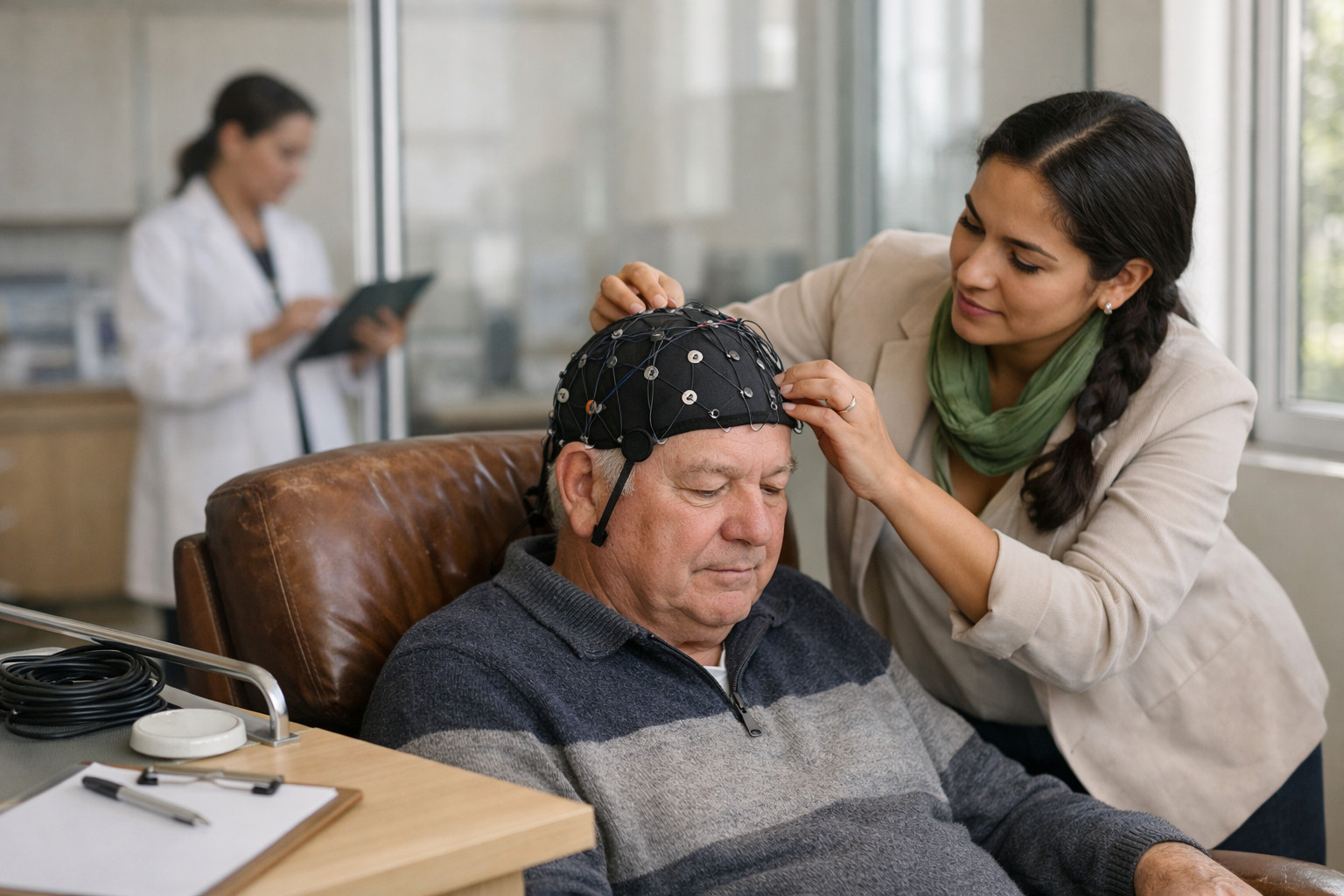
- QEEG brain mapping. Your child wears a soft cap with sensors while their brainwave activity is recorded. It is painless and non-invasive, though some children need a little time to get comfortable with the cap.
- Analysis and planning. The team analyzes the recording and develops an individualized plan informed by your child’s specific patterns.
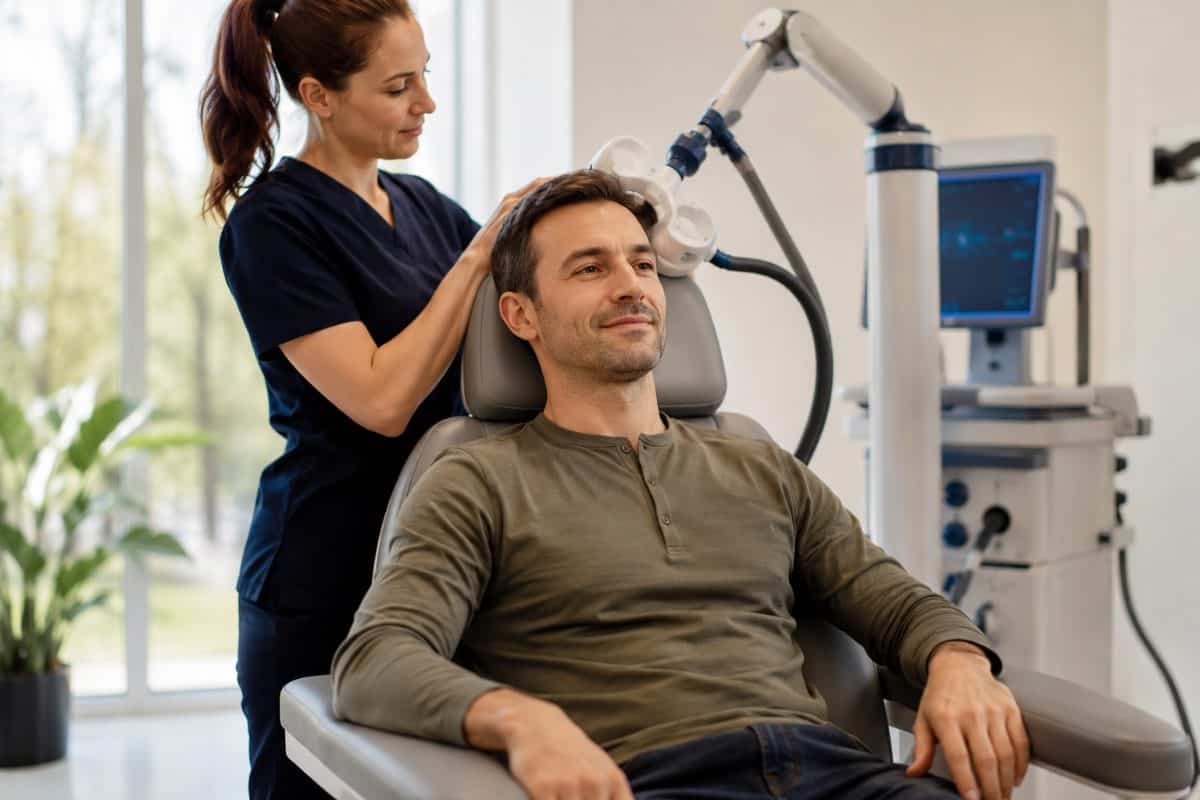
- Treatment sessions. Sessions are short and delivered while your child is awake. Many clinics let a parent stay nearby, and children often watch a show or sit with a caregiver during the brief sessions.
- Reassessment. Periodic follow-up mapping and check-ins track how your child is responding, and the plan is adjusted accordingly.
Throughout, the emphasis is on comfort. A child who feels safe and relaxed will have a far better experience, and good clinics build their environment around that.
What Parents Tend to Notice
Because every child is different, it is impossible to predict outcomes, and this is where honesty matters most. Some parents report observations such as calmer moments, changes in sleep, more eye contact, or shifts in communication, while others notice little change. These are observations, not guarantees, and they should be tracked carefully rather than assumed. Keeping a simple log of sleep, mood, behavior, and communication can help you and the clinical team see real patterns instead of relying on hope or wishful thinking.
It is also wise to continue the supports your child already benefits from, such as speech therapy, occupational therapy, behavioral support, and school accommodations. MeRT, if you pursue it, should complement those proven supports rather than replace them. The most grounded approach treats it as one possible piece of a larger, individualized plan.
Questions Worth Asking
Walking into a consultation prepared helps you advocate for your child. Useful questions include: Given my child’s profile, is this approach appropriate, and why? What does the evidence actually show for autism specifically, and how do you set expectations? What does the full process and time commitment look like? What are the costs, and does insurance apply, given that this use is investigational? How will we measure whether it is helping, and at what point would you recommend stopping? You can also ask to meet the clinical team in advance; our BPT team page introduces the people involved.
A provider who welcomes hard questions and answers them plainly is exactly the kind of partner you want. Pressure, urgency, or promises of a cure are reasons to pause.
It can also help to connect with other families who have explored similar paths, while remembering that every child responds differently and one family experience will not predict your own. Balanced communities and your clinical team are better guides than dramatic online testimonials, which tend to highlight the most striking stories rather than the typical range of results.
Why a Personalized Map Matters in Autism
Autism is often described as a spectrum precisely because it looks so different from one person to the next. Two children with the same diagnosis can have very different strengths, sensitivities, communication styles, and sleep patterns. This variability is one reason a personalized approach is appealing in principle. Rather than assuming every child should receive the same intervention, brain mapping begins by asking what is actually happening in this particular child’s brain.
A QEEG looks at brainwave activity, the rhythmic electrical patterns the brain produces. In a mapped approach, clinicians examine how these rhythms compare to typical ranges and how different regions are coordinating. The idea is that understanding a child’s individual patterns can inform a more tailored plan. It is important to hold this idea with appropriate humility: mapping is a tool for personalization, not a crystal ball, and the science of connecting specific patterns to specific outcomes in autism is still being worked out. Still, for many parents, the appeal of starting with their own child’s data rather than a generic template is easy to understand, and it reflects a broader shift in healthcare toward individualized care.
Creating a Comfortable Experience for Your Child
For children on the spectrum, sensory comfort and predictability can make an enormous difference, and a thoughtful clinic plans around this. Before the first visit, it often helps to prepare your child in whatever way works best for them, whether that is a social story, a picture of the office, or simply a calm explanation of what will happen. Familiar comfort items, a favorite show, or a preferred toy can ease the experience considerably.
During the QEEG, the soft sensor cap is the part that sometimes takes adjustment, since some children are sensitive to anything on their head. A patient, unhurried team will give your child time to acclimate rather than rushing. During the brief stimulation sessions, children are awake and a caregiver can usually stay close, which reassures both child and parent. The overall goal is for visits to feel safe and even pleasant, because a relaxed child has a better experience and the process runs more smoothly. If your child has specific sensitivities, share them with the team in advance so the environment can be adapted. Good clinics see these accommodations not as extra requests but as a normal, expected part of caring for autistic children well.
MeRT for Autism: Realistic Timeline, Commitment, and Cost
It is worth being clear-eyed about what participating involves. A mapped approach is not a single appointment; it is a process that unfolds over time, with an initial consultation, brain mapping, a course of sessions, and periodic reassessment. Sessions are short, but they recur, which means the commitment includes travel, scheduling, and the energy that any new routine asks of a family. For some families this is very manageable, and for others it is a meaningful undertaking, so it is fair to weigh it honestly against your circumstances.
Because results cannot be predicted, it also helps to decide in advance how you will evaluate progress and when you would reconsider. Setting checkpoints with the clinical team, for example reassessing after a defined number of sessions, keeps the process grounded and prevents it from drifting on indefinitely without clear benefit. This kind of structure protects your family’s time, energy, and resources, and it reflects the honest, individualized philosophy that should guide the whole experience. A team that proactively suggests these checkpoints, rather than encouraging open-ended treatment, is demonstrating exactly the kind of integrity you want.
Frequently Asked Questions
Is MeRT FDA-approved for autism?
No. TMS-based technologies are FDA-cleared for certain conditions such as depression and OCD, but MeRT used specifically for autism is considered investigational and is not an FDA-cleared autism treatment. Research in this area is still developing.
Does MeRT cure autism?
No. Autism is a developmental difference, not a disease to be cured. Responsible providers frame MeRT as a way to support wellbeing for some individuals, never as a cure, and outcomes cannot be guaranteed.
Is MeRT painful or scary for children?
The QEEG mapping is painless, and sessions are non-invasive and brief, with your child awake. Many children adjust well, especially in a calm environment where a caregiver can stay nearby.
How will I know if it is working?
Tracking sleep, behavior, mood, and communication over time, together with periodic reassessment by the clinical team, is the best way to see genuine patterns rather than relying on impressions.
Should we stop our other therapies?
No. Speech, occupational, and behavioral therapies and school supports should continue. MeRT, if pursued, is best viewed as a complement to those supports, not a replacement.
How much does it cost and is it covered?
Costs and coverage vary, and because this use is investigational, insurance may not apply. Ask for a clear explanation during your consultation so there are no surprises.
Can a parent stay with the child during sessions?
In most cases yes. Sessions are brief and the child is awake, and many clinics encourage a caregiver to stay close to help the child feel secure. Ask the team about their specific policy when you visit, and share any sensitivities so they can adapt the environment.
Talk With Our Team
Choosing how to support a child on the spectrum is deeply personal, and you deserve clear information and no pressure. If you would like to understand whether MeRT could fit your child’s needs, the right next step is a conversation with a qualified clinical team. Learn more on our MeRT and autism conditions pages, or contact us with your questions.
This article is for educational purposes only and is not medical advice. It is not a substitute for evaluation or treatment by qualified clinicians. MeRT used for autism is investigational and not FDA-cleared for that purpose, individual results vary, and no outcome can be guaranteed. Always consult licensed providers about your child’s care.