Treatments for Autism

by | May 4, 2023 | MeRT

Treatments for Autism

“Curing” autism is not possible.  Neither is “recovering” from autism.  It is possible to improve the functioning of those diagnosed with autism.  An improved function is best defined differently and specifically for each autistic individual, but the universal truth of improved function is better communication. 

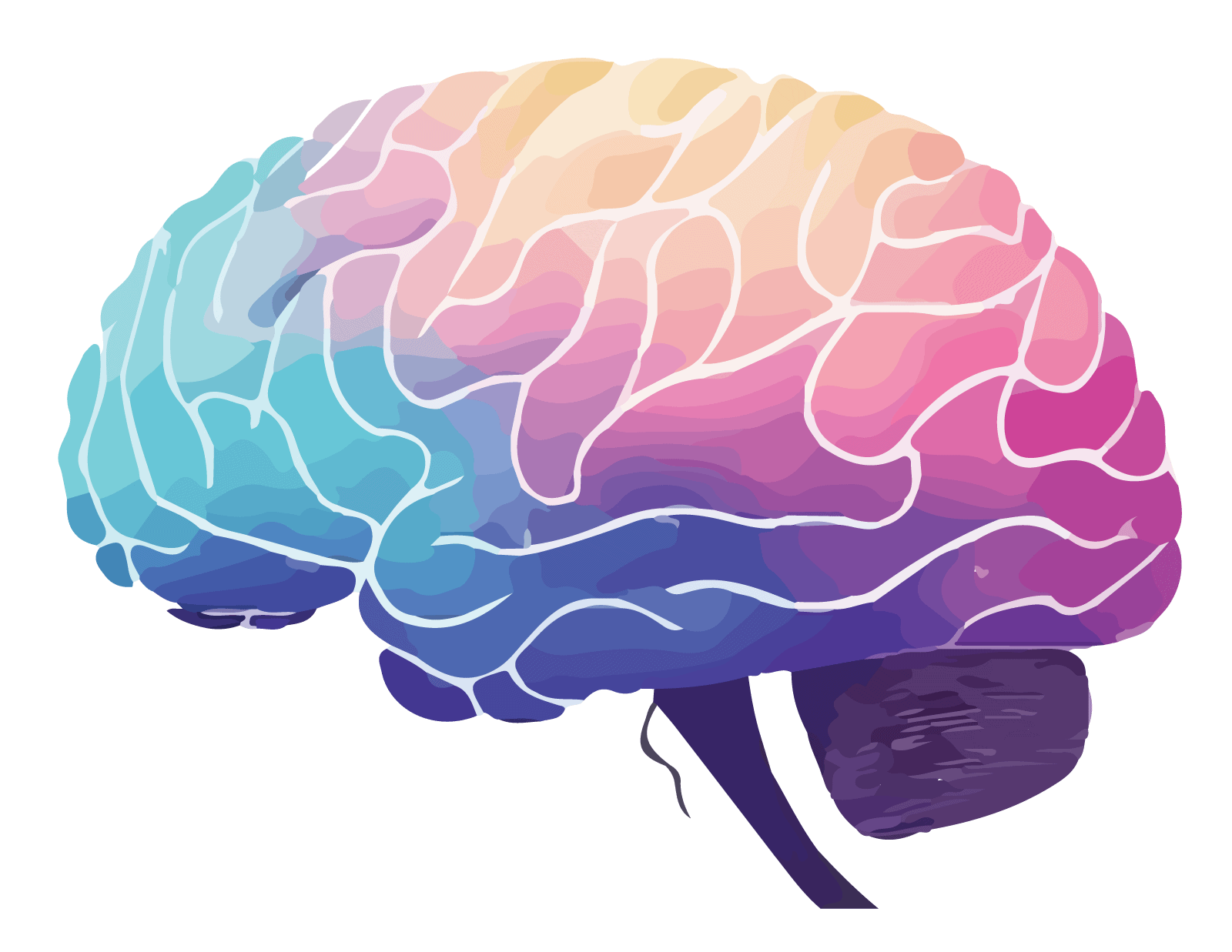
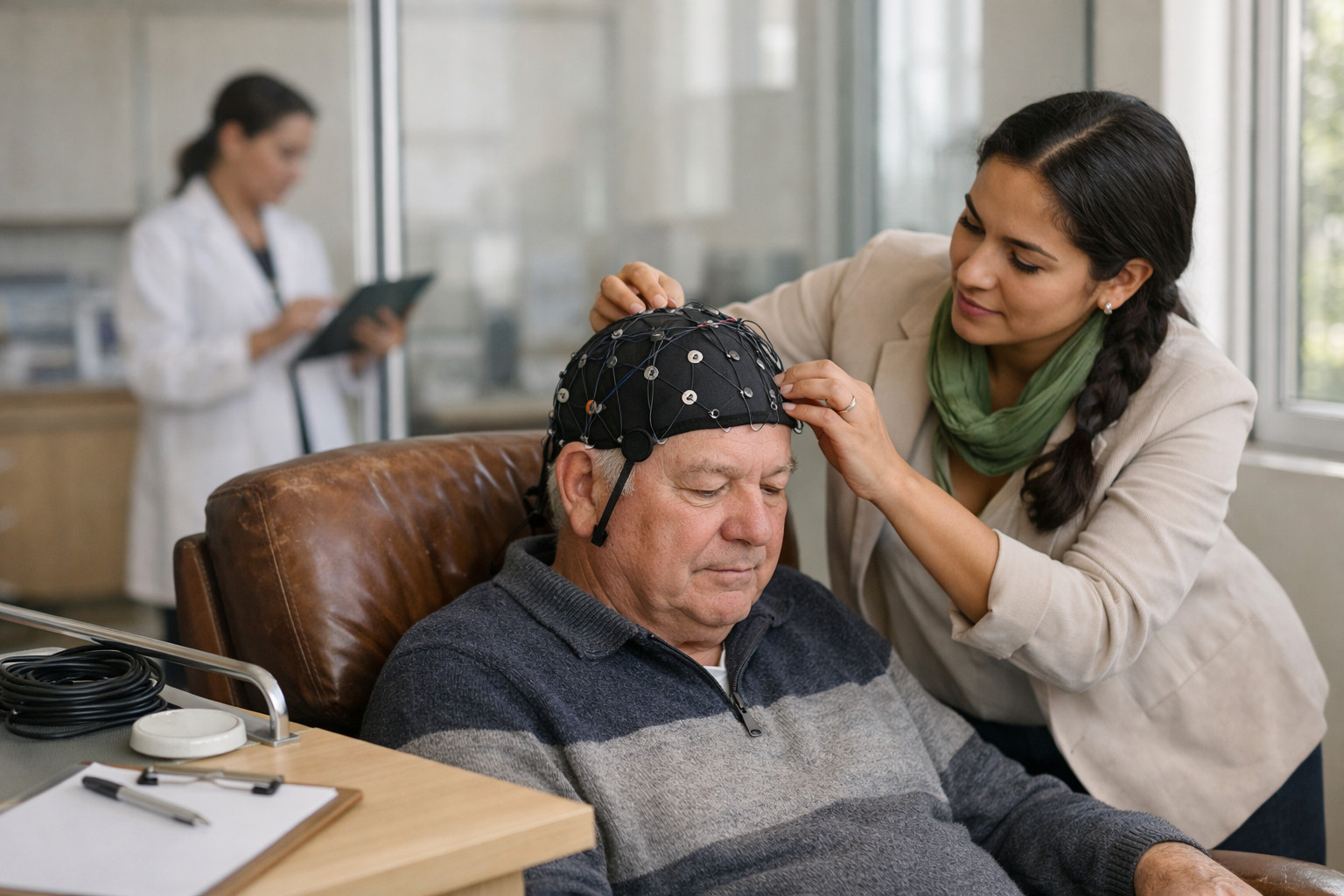
First, better communication of the brain within itself.  MeRT is a form of brain stimulation that helps parts of the brain not communicating as they should.  A brain that is functioning optimally can lead to dramatic improvements and learning in all the traditional forms of therapy for autism.  Some of those traditional therapies are listed below.  MeRT can aid and accelerate the progress of these therapies. 

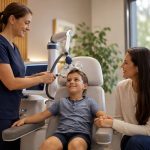
Applied Behavior Analysis (ABA): ABA is a widely recognized and evidence-based approach that focuses on teaching adaptive behaviors and reducing challenging behaviors. It involves breaking down skills into smaller tasks, providing positive reinforcement for desired behaviors, and systematically fading out prompts and supports.  ABA techniques can be used to help explain MeRT  treatment to children.

Speech Therapy: Many individuals with autism experience difficulties with communication and language skills. Speech therapy aims to improve language development, social communication, and speech articulation. It can involve various techniques such as picture exchange communication systems (PECS), augmentative and alternative communication (AAC) devices, and social skills training.

Occupational Therapy (OT): OT aims to help individuals with autism develop skills necessary for daily life activities, such as self-care, fine motor skills, sensory integration, and behavior management. Occupational therapists work on sensory sensitivities, motor coordination, and adaptive strategies to enhance independence and functional abilities.

Social Skills Training: Many individuals with autism struggle with social interactions and understanding social cues. Social skills training can involve structured activities, group therapy sessions, and individualized interventions to help individuals develop social understanding, perspective-taking, and appropriate social behaviors.

Research on MeRT can be found here

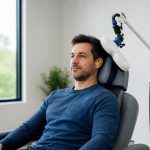
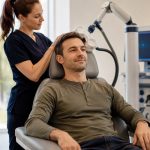
MeRT machine render

Recent Posts

Also Read

A man sitting calmly in a quiet clinic consultation room considering TMS treatment for PTSD
Aug 26 2026

TMS for PTSD: What the Evidence Shows for Veterans and Civilians

PTSD is one of the conditions where the gap between what treatment can offer and what patients actually receive is widest. Trauma-focused psychotherapy works, and it...
A parent and teenage child sitting together in a bright clinic consultation room discussing TMS treatment options
Aug 19 2026

TMS for Teens: Age Limits, Evidence and What Parents Should Know

Parents who come to us about a teenager have usually been somewhere else first. There has been a diagnosis, one or two medication trials, therapy that helped somewhat...
Patient seated calmly in a TMS treatment chair wearing earplugs, with the magnetic coil arm positioned beside the headrest
Aug 12 2026

TMS Therapy Side Effects: What’s Common, What’s Rare, and How They’re Managed

Every patient who sits down for a TMS consultation asks some version of the same question: what is this going to do to me? It is a fair question, and it deserves a...
Adult patient receiving an accelerated TMS session in a modern clinic treatment chair
Jul 23 2026

Accelerated TMS Receives FDA Clearance: What It Means for Patients

The FDA has cleared accelerated TMS protocols for depression. Learn what changed, who may benefit, and why it matters for patients who travel for treatment.

Child receiving non-invasive magnetic brain stimulation session with a clinician and parent nearby
Jun 22 2026

Accelerated TMS for Autism: What Parents Should Know About Multiple Sessions Per Day

Accelerated TMS for autism explained: multiple sessions per day, theta burst stimulation, what new research shows, and what parents should know about safety.

A woman patient in a medical setting at Brain Performance Technologies, a center specializing in non-invasive brain treatments like MeRT for autism and brain health.
Jun 19 2026

Your First TMS Session: What to Expect

Your First TMS Session: What to Expect Starting any new treatment can feel intimidating, especially one that involves the brain. If you have scheduled transcranial...
A child and adult holding hands outdoors during fall, symbolizing support and care in brain health treatments at Brain Performance Technologies.
Jun 12 2026

MeRT for Autism: A Parent’s Guide to What to Expect

MeRT for Autism: A Parent's Guide to What to Expect If you are a parent exploring options for your child on the autism spectrum, you have probably encountered a lot of...
MRI scan of a human brain showing detailed neural structures, used for brain health assessment and treatment planning at Brain Performance Technologies.
Jun 05 2026

QEEG-Guided TMS for Anxiety: A Personalized Approach

TMS for Anxiety: Does It Work? A QEEG-Guided Approach Anxiety is one of the most common reasons people seek help, and for many it does not fully respond to medication...
Clinician fitting EEG cap as part of neurotechnology assessment for disorders of attention in a bright modern clinic
May 22 2026

qEEG Brain Mapping: What It Is and Why It Matters

Modern brain health care increasingly relies on data. Rather than treating every brain the same way, clinicians can now look at how an individual's brain is actually...
Comparison of MERT and TMS systems highlighting features like multimodal embedding, semantic understanding, and operational efficiency for enhanced brain performance.
May 19 2026

MeRT vs TMS: Understanding the Difference

If you have been researching non-invasive brain treatments, you have probably come across two terms that sound similar but are not quite the same: TMS and MeRT. Both...