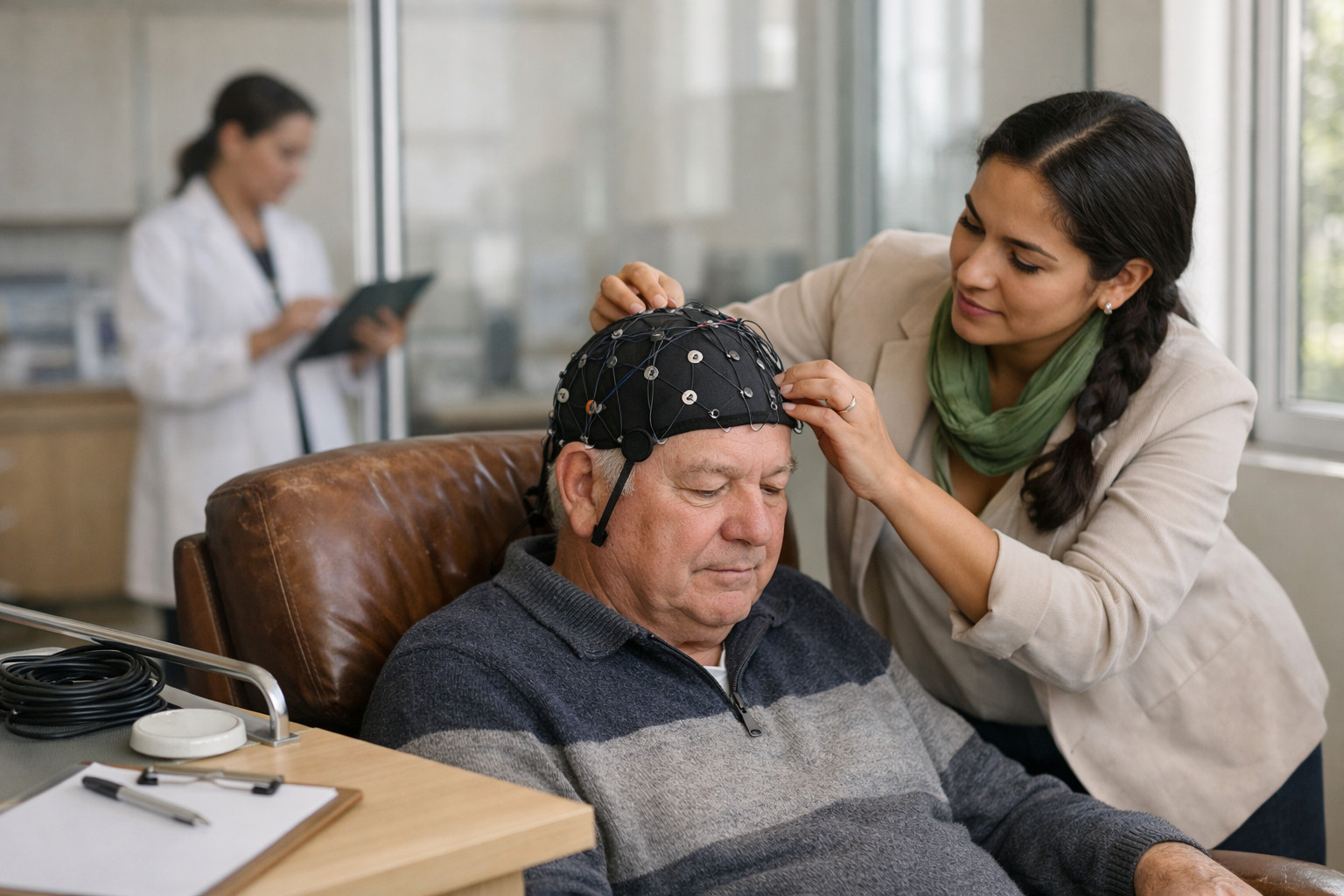
EMDR vs. MERT/TMS
There are several approaches to therapies of the brain including psychotherapy (e.g., cognitive behavioral therapy (CBT), Eye Movement Desensitization and Reprocessing (EMDR)), neurofeedback, brain stimulation therapy, mindfulness-based therapies, etc. All approaches aim to promote mental health, cognitive functioning, and overall well-being. However, some often confuse one for another. Others assume that if one approach to therapy failed, none of them will help. That is far from the truth.
It is imperative to decipher the difference between approaches in order to promote the best possible therapy for a patient.
Eye Movement Desensitization and Reprocessing
EMDR is a psychotherapy treatment primarily used to treat individuals who have experienced some level of trauma, for example, those diagnosed with post-traumatic stress disorder (PTSD). It was originally developed by Francine Shapiro in the late 1980s in an effort to facilitate the accessing and processing of traumatic memories and other adverse life experiences. Its goals are to successfully relieve stress, reformulate negative beliefs, and reduce psychological arousal. EMDR therapy involves a structured eight-phase approach, where the therapist helps the client process distressing memories by using bilateral physical stimulation. The patient attends to emotionally disturbing material in brief doses, while simultaneously focusing on external stimuli. There are a variety of different stimuli used such as hand-tapping, audio stimulation, and most commonly, therapist-directed lateral eye movements. While focusing on a particular traumatic event or memory and simultaneously engaging in bilateral stimulation, the patient is asked to think of the preferred positive belief identified at the session’s beginning. This allows those painful events to be transformed on an emotional level. Through the process of EMDR, it is believed that the mind can heal from psychological trauma such as the body recovers from physical trauma. There may be many more benefits of successful EMDR therapy, such as a sense of resolution regarding past trauma, quick relief from symptoms in a relatively short period, as well as the promotion of lasting change by addressing the root causes of distress.
Brain Stimulation Therapy (MeRT + TMS)
Brain stimulation therapies, including Magnetic eResonance Therapy (MeRT) and Transcranial Magnetic Stimulation (TMS), utilize the application of controlled electrical, magnetic, or other forms of energy to modulate neural activity in the brain. These therapies are used to treat various amounts of mental health disorders and neurological conditions. There are several differences between the use of brain stimulation therapies and EMDR. As discussed, EMDR is commonly used to treat individuals with trauma-related disorders, while brain stimulation therapies are effective for individuals with an array of mental health disorders such as treatment-resistant depression, anxiety, autism, traumatic brain injuries (TBI), attention-deficit/hyperactivity disorder (ADHD), obsessive-compulsive disorder (OCD), post-traumatic stress disorder (PTSD), addiction, and memory disorders. Brain stimulation therapies like TMS or MeRT target specific areas of the brain to modulate neural activity, while EMDR focuses specifically on processing and integrating traumatic memories to alleviate distress related to trauma. Although both use some form of technology, MeRT, and TMS use stimulators that generate magnetic fields that pass through the skull and modulate our natural brainwaves. TMS and MeRT deliver the same magnetic pulse, however, TMS uniformly delivers its pulses for every patient.
Brain stimulation therapies and Eye Movement Desensitization and Reprocessing are both FDA-approved and offer tremendous benefits in the field of mental health. However, they differ significantly in their methods and intended outcomes. EMDR is limited to trauma-related conditions, such as PTSD. MeRT and TMS’s targeted population include a much wider range of mental health conditions and neurological disorders. To learn more about MeRT and TMS, follow our Facebook groups: MeRT Treatment for Autism USA and TMS Depression Treatment for Vets and Military Families.