Bipolar disorder can feel overwhelming if you’re dealing with it yourself or supporting a loved one. It is a condition that causes significant changes in mood, energy, and daily life. One may feel on top of the world or struggle with deep sadness. If you’re here, you might be looking for ways to understand it better, and that’s a great first step. This quiz is made just for you, to help build your knowledge in a simple, engaging way.
Wondering about the types of bipolar disorder, like Bipolar I or Bipolar II? Curious about symptoms or warning signs? Our bipolar disorder quiz lets you test what you know while learning more. It’s not meant to diagnose, only a doctor can do that but it can guide you toward helpful insights.
This fun, interactive bipolar disorder quiz covers the basics: types, symptoms, and even some tests and treatments. Whether you’re new to this or have some experience, it’s designed to inform without overwhelming. If terms like “bipolar assessment” or “mood disorder tests” sound familiar, you’ll see how they fit in.
Taking this quiz can give you a clearer picture of bipolar disorder. You’ll learn about self-assessments and when to talk to a professional. Ready to dive in? Let’s make sense of bipolar disorder together.
Understanding Bipolar Disorder: Key Facts
Bipolar disorder is a mental health condition that affects how you feel and act. It causes ups (called mania or hypomania) and downs (depression) that can last days, weeks, or longer. Living with it isn’t easy, but many people manage well with the right support and treatment.
There are different types, each with its own patterns. For example, Bipolar I involves strong manic episodes, while Bipolar II includes milder hypomania and often tougher depression. Cyclothymic disorder brings ongoing, less intense mood changes.
Getting diagnosed usually means talking to a mental health expert who uses interviews and mood disorder tests. These help rule out other issues and pinpoint what’s going on.
Mood shifts in bipolar disorder can change your energy, sleep, and focus, impacting work, relationships, and everyday tasks. But here’s some hope: with early help, you can feel more in control.
Quick facts to know:
- It often shows up with other conditions, like anxiety.
- If it runs in your family, your risk might be higher.
- Good diagnosis and care make a big difference in feeling better.
Recognizing triggers and symptoms is key. Early steps can lead to better days ahead. Learning about it helps fight stigma and builds a supportive circle. With tools and care, stability is possible.
Types of Bipolar Disorder: Bipolar I, Bipolar II, and More
Bipolar disorder isn’t one-size-fits-all, it has types that affect people differently. Knowing which one might apply can help you seek the right support.
Bipolar I disorder typically involves at least one significant manic episode. During this time, individuals may feel extremely energized or irritable. This episode is often followed by periods of depression. These can disrupt life a lot.
Bipolar II disorder mixes hypomania (a milder high) with major depressive episodes. The lows can feel heavy, and hypomania might go unnoticed at first.
Cyclothymic disorder involves ongoing ups and downs that aren’t as extreme but last a long time.
Main types at a glance:
- Bipolar I Disorder: At least one full manic episode.
- Bipolar II Disorder: Hypomania plus depression.
- Cyclothymic Disorder: Chronic mild mood swings.
Figuring out your type matters for treatment. A clear picture leads to plans that fit you, helping manage symptoms and live fuller.
Common Symptoms and Warning Signs
Spotting bipolar disorder early can change everything. It’s about intense mood changes that shake up your routine.
In manic or hypomanic times, you might have tons of energy, talk fast, take risks, or sleep less without feeling tired.
Depressive phases can bring sadness, tiredness, no interest in fun things, or trouble thinking clearly.
Watch for early signs like sleep shifts, quick mood flips, or more irritability as these can signal an episode coming.
Symptoms to note:
- Manic/Hypomanic: High energy, impulsivity.
- Depressive: Fatigue, hopelessness, low motivation.
- Warnings: Sleep changes, mood swings, grumpiness.
Understanding these empowers you to get help sooner, leading to better control and quality of life.
Bipolar Disorder Quiz: Test Your Knowledge
Ready to check what you know about bipolar disorder? This bipolar disorder quiz is an easy way to learn about symptoms, types, and options. You can take a bipolar 1 test or a bipolar 2 test. It’s for anyone curious like caregivers, those with questions, or just wanting to know. Answer these, then score yourself below.
- According to experts, what are the two main episode types in bipolar disorder?
A) Anxiety and panic
B) Mania/hypomania and depression
C) Euphoria and irritability
D) Hyperactivity and lethargy
(Answer: B – These define the ups and downs.) - Which type involves hypomania but no full mania, like in a bipolar type ii test?
A) Bipolar I
B) Bipolar II
C) Cyclothymic
D) Rapid-cycling
(Answer: B – Focuses on milder highs and deep lows.) - What’s an FDA-approved treatment using magnetic fields, such as TMS for bipolar disorder?
A) ECT
B) Transcranial Magnetic Stimulation (TMS)
C) Deep Brain Stimulation
D) Vagus Nerve Stimulation
(Answer: B – Non-invasive for mood help.) - Common symptoms of depressive episodes in bipolar depression tests? (Select all)
A) Sadness or hopelessness
B) Loss of interest
C) Fatigue
D) Grandiose ideas
(Answers: A, B, C – These signal the lows.) - Can lifestyle changes aid managing, per health guidelines? (Select all)
A) Steady sleep
B) Exercise
C) Nutrition
D) Isolation
(Answers: A, B, C – They support stability.) - Family history’s role in developing bipolar, as in a bipolar assessment?
A) Minimal
B) Moderate
C) High: risk can double
D) None
(Answer: C – Genetics play a part.) - How important is sleep for symptoms?
A) Not much
B) Somewhat
C) Very: it stabilizes rhythms
D) Only for depression
(Answer: C – Key for prevention.) - Old term for bipolar, like manic depression test?
A) Schizophrenia
B) Manic-depressive illness
C) Borderline
D) Seasonal affective
(Answer: B – Used before modern names.) - Tool for assessing Bipolar II, such as bipolar ii disorder test?
A) PHQ-9
B) Mood Disorder Questionnaire (MDQ)
C) GAD-7
D) MMPI
(Answer: B – Screens for hypomania/depression.) - Can it occur with other conditions? (Select all)
A) Anxiety
B) Substance use
C) ADHD
D) All above
(Answer: D – Comorbidities are common.)
This quiz isn’t a bipolar diagnosis test, it’s for learning. If symptoms hit home, talk to a doctor. Staying informed helps with care.
Interpreting Your Quiz Results
Done? Count correct answers (give 1 point per for multi-select if all right). Your score shows your starting point on bipolar knowledge. Remember, this isn’t diagnostic but educational.
- 8-10: Strong grasp. You know the basics well. Explore more on topics like screening for bipolar disorder.
- 5-7: Solid base. Good start; dig into areas like bipolar 1 vs bipolar 2 test.
- 0-4: Room to grow. No worries, you can read up on bipolar self assessment or resources from NIMH.
Use this to learn more. If concerned, seek pro help.
Diagnostic Tools and Tests for Bipolar Disorder
Wondering “is there a test for bipolar”? Diagnosis combines talks, history, and tools like a bipolar disorder assessment. No single test, but they help.
Key ones:
- Bipolar 1 test: Checks full mania.
- Bipolar 2 test: Spots hypomania/depression.
- Bipolar mixed episode test: For mixed symptoms.
- Mood disorder tests: Broad checks.
Pros use these to differentiate types. Always see an expert as misdiagnosis hurts. Regular checks aid management.
Bipolar Disorder in Teens and Children
It can start young, with faster mood changes than in adults. For teens, a manic depressive disorder online test or manic depression test teenage might raise flags, but pros adapt tools.
Signs:
- Big swings from happy to sad.
- Sleep shifts.
- Focus issues.
Early care matters. Family support creates stability.
Treatment Options: From Medication to TMS and ECT
Treatments mix meds, therapy, and more. Mood stabilizers like lithium help balance swings. Therapy like CBT builds coping skills.
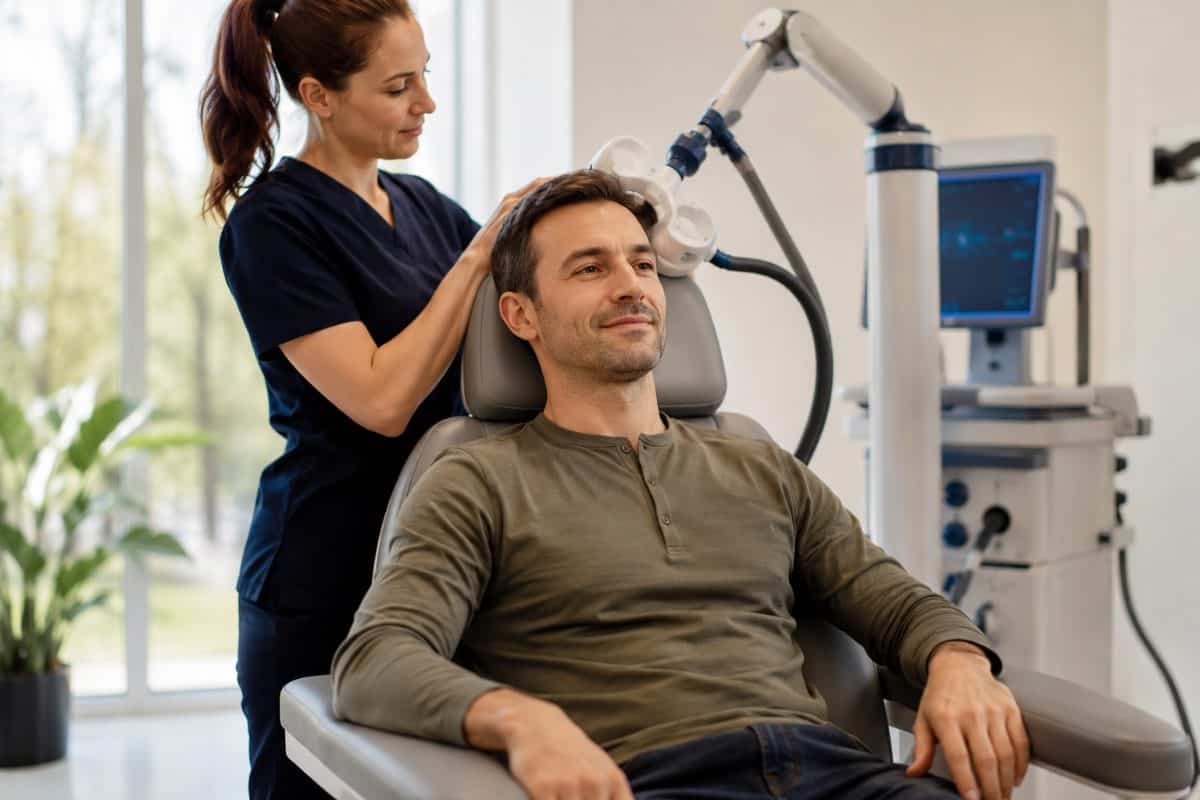
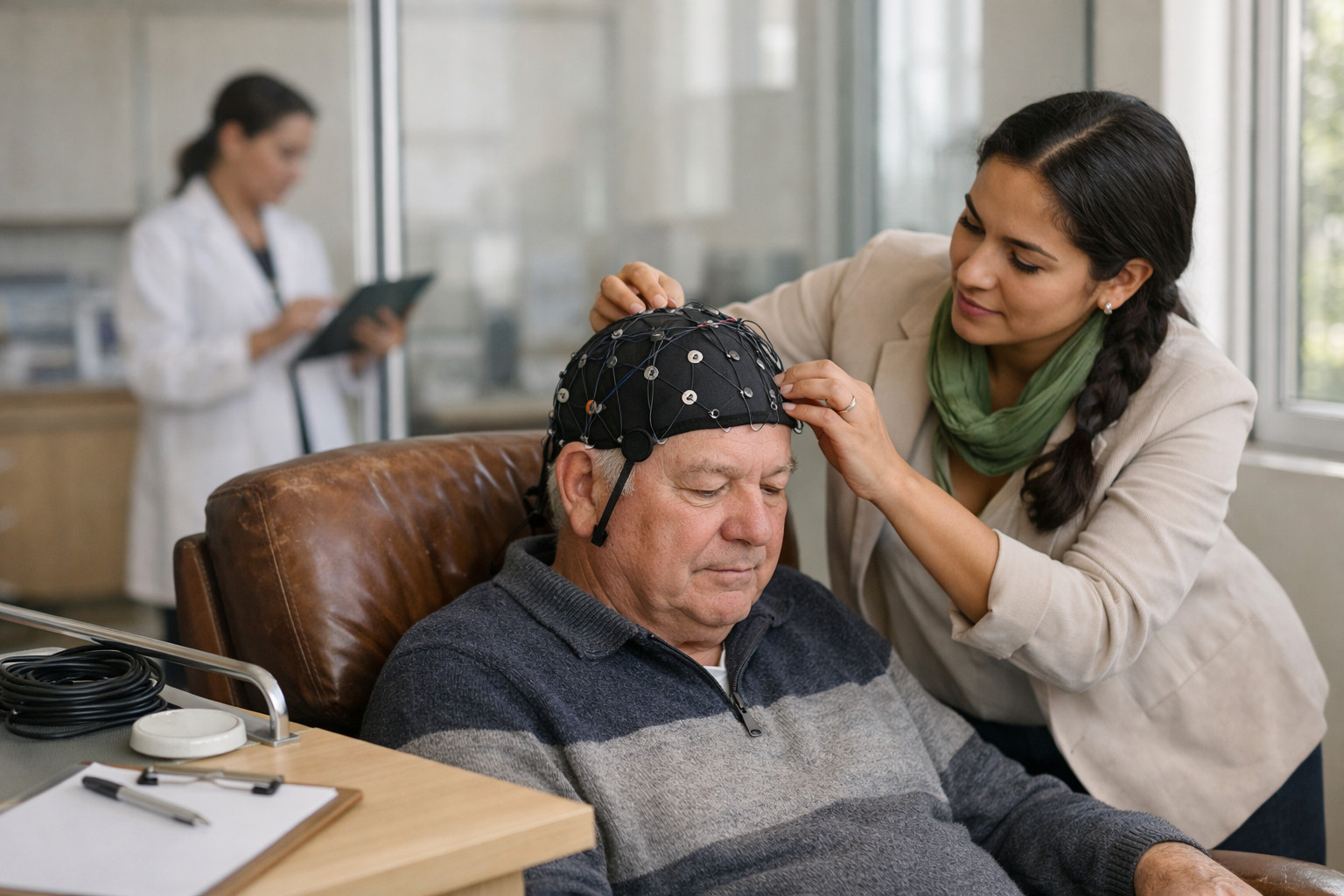
Advanced options: TMS for bipolar disorder stimulates brain areas non-invasively. ECT for bipolar disorder helps severe cases. At Brain Performance Technologies Clinic, we provide MeRT for bipolar disorder. This personalized magnetic therapy uses brain scans to effectively target symptoms.
Common ones:
- Meds (lithium, antipsychotics)
- CBT
- TMS
- ECT
Lifestyle adds relief for better life.
Self-Assessment and When to Seek Professional Help
Self-tools like a bipolar depression disorder quiz or bipolar syndrome test highlight signs, but aren’t full diagnoses.
If mood disruptions impact your life, it is important to seek help. If you have a history of mood episodes or ongoing concerns, consider consulting a specialist. They can conduct tests for bipolar affective disorder or bipolar illness. Pro help brings clarity and plans. Wellness first.
We invite you to contact Brain Performance Technologies, located in San Jose, Sacramento, and Las Vegas. Our center focuses on MeRT, which stands for Magnetic e-Resonance Therapy. This is a non-invasive and drug-free method aimed at improving brain health. We cater to children with autism and neurodevelopmental issues, as well as adults facing PTSD, depression, and anxiety. Utilizing advanced qEEG brain mapping, we create personalized treatment protocols. We accept Tricare Prime and Select.
Also read: Evaluating MERT Therapy Costs Against Alternative Treatments
Living with Bipolar Disorder: Tips and Support
It takes effort, but routines help: sleep, eat well, move.
Support from loved ones or groups reduces loneliness.
Tips:
- Daily routine
- Activity
- Mindfulness
- Groups
- Stay connected to pros
Fulfilling life is achievable with management.
Frequently Asked Questions About Bipolar Disorder Tests
Confused about tests? Here’s clarity.
- Definitive test? No, but aids like bipolar 2 assessment help.
- Online? Yes, like am i bipolar or depressed quiz, but pro eval key.
- For teens? Yes, like bipolar 2 disorder test adapted.