Autism Spectrum Disorder (ASD) presents unique challenges for individuals and their families. Traditional treatments often focus on behavioral therapies and medications. However, these approaches may not work for everyone.
Magnetic Resonance Therapy (MeRT) offers a promising alternative. This non-invasive treatment uses magnetic fields to stimulate specific brain areas. It is an advanced form of Transcranial Magnetic Stimulation (TMS), tailored to individual brain patterns.
MeRT has shown potential in improving symptoms of autism. It targets brain wave activity, aiming to enhance social skills and communication. The therapy is personalized, using EEG and EKG to map brain activity.
This customization ensures each patient receives a treatment plan suited to their needs. MeRT is FDA-approved for certain conditions and is being explored for autism. It is well-tolerated, with minimal side effects, making it suitable for children and adults.
Brain Performance Technologies offers MeRT as part of their comprehensive services. The clinic uses state-of-the-art equipment and personalized protocols. This ensures high-quality care and optimal outcomes.
MeRT represents a shift towards personalized medicine, focusing on individual brain patterns. It provides a new avenue for those with treatment-resistant autism. This innovative therapy offers hope for improved quality of life.
Understanding Autism Spectrum Disorder and Brain Function
Autism Spectrum Disorder (ASD) is a complex neurodevelopmental condition. It affects social interaction, communication, and behavior. The symptoms and their severity vary widely.
Researchers believe that differences in brain structure and function contribute to ASD. Studies highlight variability in synaptic connections and neural pathways. These differences impact the brain’s processing of information.
Key characteristics of autism include:
- Challenges in social communication
- Repetitive behaviors or restricted interests
- Sensory sensitivities
The brain’s plasticity, or its ability to change, plays a role in autism. Understanding this can help guide treatment. Many therapies aim to enhance neural connectivity and function.
Advanced brain mapping techniques provide insights into these differences. EEG and EKG are crucial tools in assessing brain wave patterns. They help in creating tailored treatment plans.
Recognizing the uniqueness of each individual’s brain is essential. This recognition drives the development of innovative therapies like MeRT. The goal is to improve outcomes by addressing unique neurophysiological patterns.
What Is Magnetic Resonance Therapy (MeRT)?
Magnetic Resonance Therapy (MeRT) is a cutting-edge brain treatment. It uses magnetic fields to stimulate specific brain areas. This non-invasive therapy targets and modulates brain wave activity.
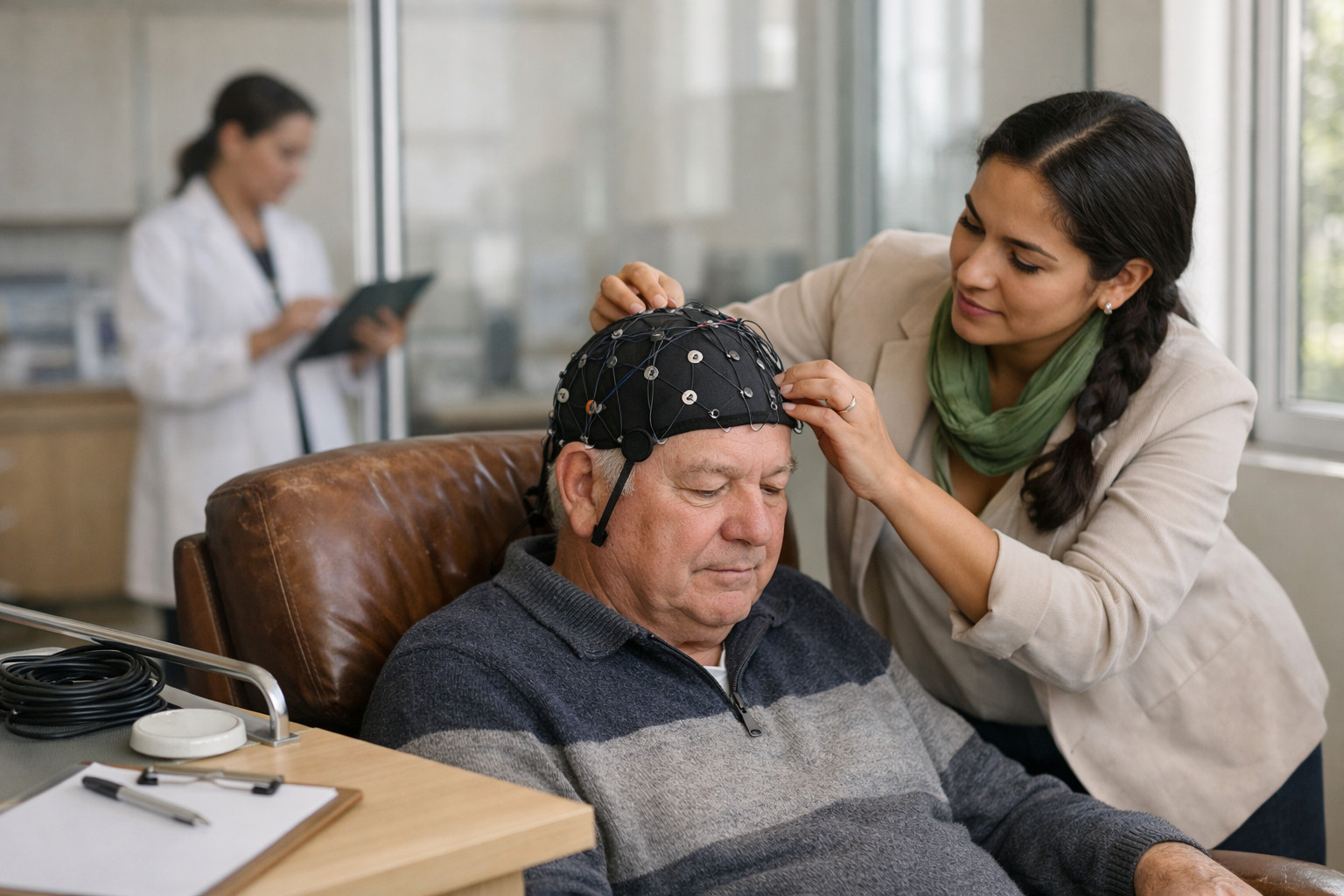
Unlike standard TMS, MeRT is tailored to each patient. It begins with an analysis of individual brain patterns using EEG and EKG. This personalized approach aims to optimize treatment outcomes.
The core principle of MeRT involves brain wave modulation. This technique seeks to correct irregular patterns in brain activity. By doing so, it can enhance cognitive and behavioral functions.
MeRT offers several distinctive features:
- Personalized treatment based on brain activity
- Integration of EEG and EKG in diagnosis
- Precise targeting of specific brain regions
These attributes distinguish MeRT as an advanced form of brain therapy. It represents a promising option for those with autism and other neurodevelopmental disorders.
How MeRT Differs from Traditional TMS and Other Brain Therapies
MeRT offers a refined approach compared to traditional TMS. While TMS delivers uniform magnetic pulses, MeRT uses personalized data for treatment. This specificity sets MeRT apart in the field of brain therapies.
The integration of EEG and EKG makes MeRT unique. These tools provide detailed insights into individual brain patterns. Such a tailored approach is absent in many traditional therapies.
Key differences include:
- Use of personalized EEG and EKG data
- Customization of magnetic pulse patterns
- Focus on specific brain wave corrections
These distinctions make MeRT a targeted and effective brain therapy. It offers hope for those with autism through precision and customization.
The Science Behind MeRT: EEG, EKG, and Personalized Brain Mapping
The core of MeRT’s effectiveness lies in its scientific foundation. It combines EEG and EKG technologies to analyze brain activity. This allows for an exceptionally personalized treatment approach.
EEG measures the electrical activity of the brain. This data reveals distinct brain wave patterns. EKG complements this by providing cardiac activity insights.
Personalized brain mapping is a breakthrough in MeRT. It enables clinicians to tailor magnetic pulses according to individual brain functions. This precision increases the therapy’s effectiveness significantly.
Key components of this process include:
- Collecting EEG and EKG data
- Analyzing brain wave patterns
- Tailoring treatment to specific patient needs
Such a detailed approach ensures that therapy aligns with each patient’s unique neurophysiology. Ultimately, this scientific foundation enhances MeRT’s potential as a leading brain therapy for autism.
How Magnetic Resonance Therapy Affects Autism: Mechanisms and Outcomes
Magnetic Resonance Therapy (MeRT) operates by modulating brain activity. It targets specific regions associated with autism symptoms. This precision enables effective symptom management.
The therapy aims to synchronize brain wave patterns. Improved coherence in these patterns is linked to better cognitive and social functions. MeRT fosters this synchronization by delivering tailored magnetic pulses.
Research indicates promising outcomes for individuals with autism. Many experience enhanced social skills and communication improvements. There’s also a reduction in repetitive behaviors.
Key outcomes from MeRT therapy include:
- Enhanced social engagement
- Improved communication abilities
- Decreased repetitive actions
- Heightened emotional regulation
Such changes stem from MeRT’s ability to modify brain circuitry delicately. The approach addresses underlying neurological irregularities that contribute to autism. Consequently, patients often see improvements in daily functioning and quality of life.
In summary, MeRT’s mechanisms target the core aspects of autism. The therapy’s tailored approach and positive outcomes make it a viable option for managing autism spectrum disorder.
Recommended article: How Brain Wave Therapy Enhances Cognitive Function
Clinical Evidence: Research and Studies on MeRT for Autism
Recent studies underscore the potential of MeRT in autism treatment. Clinical trials have explored its impact on key symptoms. The findings are encouraging for many patients and families.
Research has demonstrated improvements in social communication. Some studies report reductions in repetitive behaviors. Emotional and behavioral regulations also show advancements.
Key insights from research include:
- Significant social communication improvements
- Reduction in repetitive behaviors
- Enhanced emotional regulation
- Positive behavioral changes
The research methodology involves detailed pre- and post-treatment assessments. EEG readings help map brain activity changes. Such data adds validity to the studies’ conclusions.
The evidence supports MeRT as a promising intervention for autism. While further research is needed to solidify these findings, the initial results offer hope. MeRT continues to gain traction as a viable treatment option within the autism community.
Benefits of MeRT for Individuals with Autism
MeRT offers several significant benefits for those with autism. The therapy’s focus on personalized care ensures tailored treatment plans. This individualized approach can maximize therapeutic outcomes.
Key benefits of MeRT include:
- Enhanced social and communication skills
- Reduction in repetitive behaviors
- Improvement in emotional regulation
Patients often experience improvements in daily functioning. Enhanced social skills can lead to better interactions. Emotional regulation can also reduce outbursts and improve overall behavior.
The therapy’s non-invasive nature is particularly advantageous. With minimal side effects, MeRT is suitable for sensitive individuals, including children. This makes MeRT a compelling option for families seeking advanced, personalized, and effective treatment solutions.
You may also like to read: Evaluating MERT Therapy Costs Against Alternative Treatments
Safety, Side Effects, and Suitability for Children
MeRT is a safe and non-invasive treatment option. It has minimal side effects, which are generally mild and short-lived. Most patients might experience slight scalp discomfort or headaches after a session.
The suitability of MeRT for children is one of its strong points. Since it’s medication-free, it reduces the risk of adverse drug reactions. This is particularly relevant for children who may be sensitive to pharmaceuticals.
A brief list of common experiences includes:
- Temporary scalp discomfort
- Mild headaches
- No long-term adverse effects
What to Expect During MeRT Treatment for Autism
MeRT treatment for autism involves personalized sessions designed around individual brain patterns. Each session typically lasts around 30 minutes, offering a short yet effective therapy window.
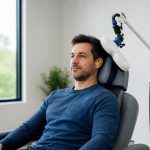
During the session, patients sit comfortably while magnetic pulses are delivered to specific brain areas. This process is painless and non-invasive, ensuring comfort throughout.
Key elements of a MeRT session include:
- Comfortable seating and environment
- Precision-guided magnetic pulses
- Short, manageable session duration
Integrating MeRT with Other Autism Therapies
Combining MeRT with existing autism therapies can enhance overall treatment efficacy. It offers a complementary approach that can be integrated seamlessly into existing care plans.
MeRT can be combined with:
- Behavioral therapies
- Speech and occupational therapies
- Medication management
These combinations allow for a holistic approach to autism care, targeting both behavioral and neurological aspects. Families and clinicians can collaborate to adjust and optimize treatment strategies.
Why Choose Brain Performance Technologies for MeRT and EEG
Brain Performance Technologies stands out for its commitment to personalized care. Utilizing state-of-the-art equipment, we ensure precise brain mapping for individualized treatment plans.
Our clinic offers:
- Expert team specializing in brain therapies
- Customized MeRT protocols
- Comprehensive support for patients and families
Choosing us means accessing cutting-edge technology and compassionate care. Our focus on patient-centered outcomes ensures the best possible results. With our expertise, we aim to enhance the quality of life for individuals with autism and their families.
Frequently Asked Questions about MeRT and Autism
Is MeRT safe for children?
Yes, MeRT is a non-invasive therapy and is typically well-tolerated by both children and adults.
How long is a typical treatment course?
A standard MeRT course runs several weeks, with sessions lasting about 30 minutes each.
Can MeRT be combined with other treatments?
Certainly, MeRT can complement traditional therapies, enhancing overall care for individuals with autism.
Conclusion: The Future of Non-Invasive Brain Therapy for Autism
Magnetic Resonance Therapy (MeRT) offers promising new possibilities for autism treatment. As a non-invasive approach, it provides a tailored, effective option without the complexities of medication.
The growing body of research supports MeRT’s potential to improve life quality for individuals with autism. Its personalized nature paves the way for future innovations in brain therapy, benefiting both patients and healthcare providers.