Obsessive-compulsive disorder can be relentless. The intrusive thoughts, the compulsions, the hours lost to rituals: for many people, OCD does not respond fully to the first treatments they try. When medication and therapy alone do not bring enough relief, it is natural to look for other evidence-based options. One of those options is TMS for OCD.
At Brain Performance Technologies, we work with patients who want effective, non-invasive approaches to brain health. This guide explains what TMS is, how it is used for OCD, what the FDA clearance means, and what to expect, so you can have an informed conversation with a qualified provider.
What Is TMS?
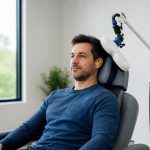
TMS, or transcranial magnetic stimulation, is a non-invasive treatment that uses focused magnetic pulses to stimulate specific regions of the brain. The pulses are delivered through a coil placed against the scalp, and they pass painlessly through the skull to influence activity in the targeted area.
Importantly, TMS does not require surgery, anesthesia, or sedation. You remain fully awake during treatment and can return to your normal activities right afterward. Because nothing enters your bloodstream, TMS avoids the systemic side effects that many people associate with medication.
How Is TMS Used for OCD?
For years, TMS was primarily known as a depression treatment. In 2018, the FDA cleared a specific form of TMS, known as deep TMS, for the treatment of OCD. This was a significant development, because it gave people with OCD a recognized, non-invasive option backed by clinical evidence.
The approach for OCD differs from the depression protocol. OCD involves specific brain circuits, particularly networks connecting deeper brain structures involved in the obsessive-compulsive cycle. Deep TMS uses a specialized coil designed to reach these relevant regions. In many OCD protocols, a brief provocation of symptoms is used immediately before stimulation so that the targeted circuits are active during treatment, which is thought to improve the response.
What Does the Research Show?
Clinical studies that supported the FDA clearance found that a meaningful share of patients with OCD experienced a reduction in symptoms after a course of deep TMS, including some who had not responded adequately to other treatments. As with any treatment, results vary from person to person, and TMS is generally considered as part of a broader plan rather than a guaranteed standalone cure.
It is worth being clear-eyed here: TMS is an evidence-based option, but it is not a magic fix, and whether it is appropriate for you depends on your specific situation. A qualified provider will evaluate your history before recommending it. If you are exploring local options, our overview of OCD treatment in San Jose covers how non-invasive approaches fit into the bigger picture.
Why OCD Can Be So Difficult to Treat
OCD is more than a preference for tidiness or a quirk of personality. It is a recognized condition driven by specific patterns of brain activity, in which intrusive thoughts (obsessions) trigger anxiety, and repetitive behaviors (compulsions) provide only temporary relief before the cycle repeats. This loop can become deeply entrenched.
First-line treatments, including certain medications and exposure and response prevention therapy, help many people, but not everyone responds fully. Some find that medications bring side effects they cannot tolerate, while others improve only partially. This gap is exactly why non-invasive brain stimulation options have become an important part of the treatment landscape. They offer a different mechanism of action, working directly on the brain circuits involved rather than adjusting brain chemistry systemically.
What Makes Deep TMS Different for OCD
Standard TMS coils are designed to stimulate areas closer to the surface of the brain, which works well for conditions like depression. OCD, however, involves circuits that connect to deeper brain regions. Deep TMS uses a specially engineered coil that can influence these deeper, relevant networks, which is why this particular form was the one cleared for OCD.
The use of brief symptom provocation before stimulation is another distinctive feature of OCD protocols. By gently activating the circuits involved in the obsessive-compulsive cycle right before delivering the magnetic pulses, the treatment targets those networks while they are engaged. This thoughtful, circuit-specific approach is part of what distinguishes TMS for OCD from more general uses of the technology, and it underscores why working with an experienced provider matters.
What to Expect During TMS for OCD
One of the reasons people appreciate TMS is how straightforward the experience is. A typical course looks like this:
- Initial evaluation. A provider reviews your history, current treatments, and symptoms to determine whether TMS is appropriate and safe for you.
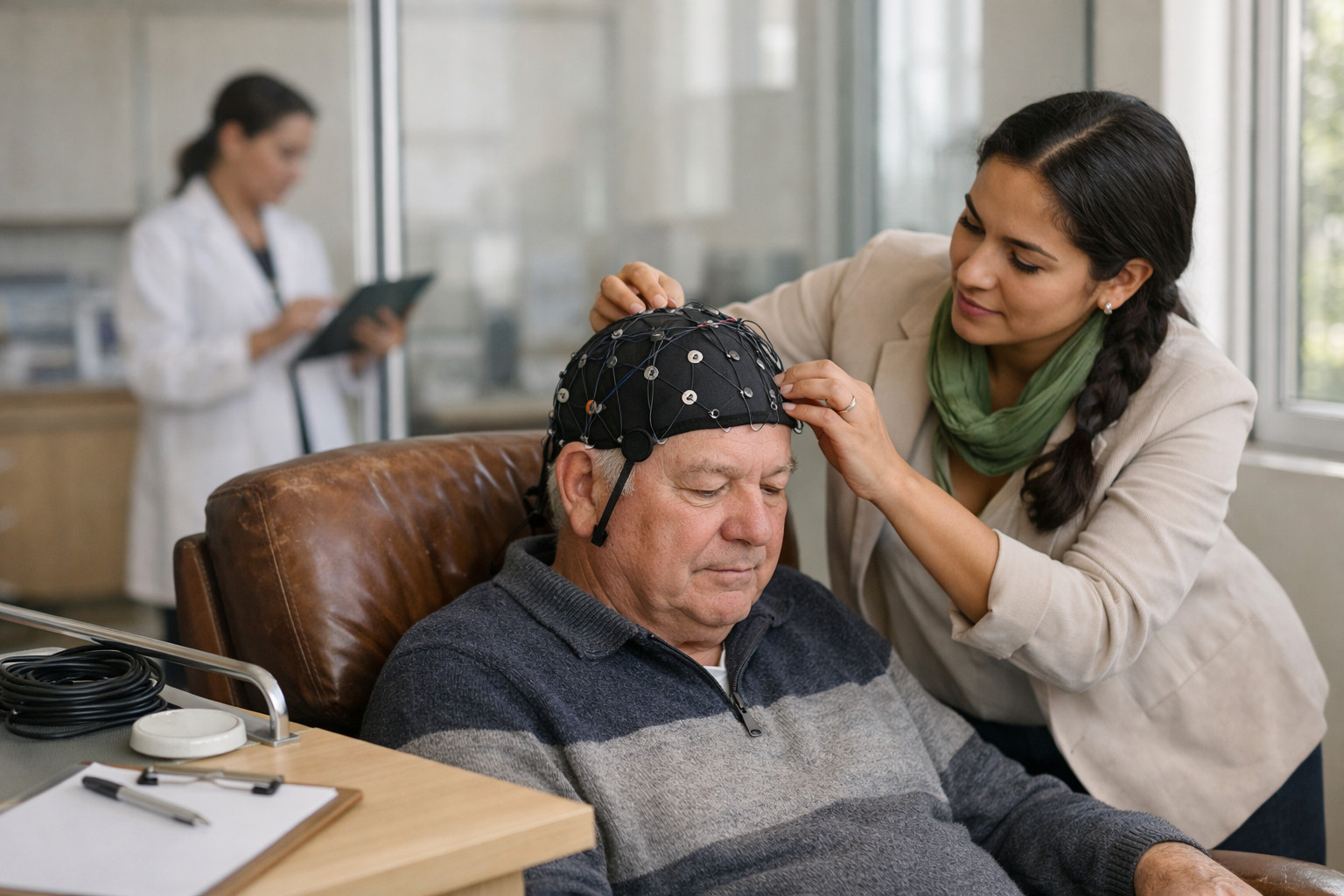
- Mapping and setup. Before treatment, the provider identifies the correct coil position and stimulation settings for your brain.
- The sessions. You sit comfortably while the coil delivers pulses. You will hear a clicking sound and feel a tapping sensation on your scalp. OCD sessions are relatively short, and a brief symptom provocation may be used beforehand.
- The schedule. A standard course typically involves sessions five days a week over several weeks.
- After each session. Because there is no sedation, you can drive yourself home and resume your day immediately.
Side Effects and Safety
TMS is generally well tolerated, and its side effect profile is one of its biggest advantages over medication. The most common side effects are mild and tend to fade within the first week or two:
- Scalp discomfort or tingling at the treatment site
- Mild headache
- Lightheadedness
Serious side effects are rare. The most significant risk, a seizure, is extremely uncommon when treatment follows established safety guidelines. Your provider will screen for factors such as a history of seizures or metal implants near the head before recommending TMS.
Who Is a Good Candidate?
TMS for OCD is most often considered for adults whose OCD has not responded adequately to standard treatments like medication and therapy. Candidacy depends on more than diagnosis, though. A thorough evaluation considers your full treatment history, any co-occurring conditions, and safety factors such as implanted devices near the head.
People who want to avoid the systemic side effects of medication, or who simply prefer a non-invasive approach, are often drawn to TMS for these reasons. The goal of a good evaluation is never to push a single treatment but to find the option that gives you the best chance of relief with the least risk.
How TMS Fits Into a Comprehensive Plan
It is most useful to think of TMS not as a replacement for everything else but as one powerful tool within a complete approach to OCD. Many people get the most durable results when TMS is combined with evidence-based therapy, such as exposure and response prevention, and appropriate medication management.
This integrative philosophy is central to how we practice. Rather than treating OCD as a single switch to flip, we look at the whole person and build a plan that addresses the biological, psychological, and lifestyle factors involved. Non-invasive brain stimulation can open a window of relief that makes the rest of the work more effective.
TMS and Other Brain-Based Approaches
TMS is one of several brain-based options available today. Our practice also offers other personalized approaches, and patients often want to understand how these compare. Our discussion of how TMS efficacy compares to traditional treatments provides helpful context, and our overview of TMS for anxiety shows how the technology is applied to related conditions that frequently accompany OCD.
Take the Next Step
If OCD has not responded to the treatments you have tried, you deserve to know every evidence-based option available to you. TMS for OCD is a non-invasive, FDA-cleared approach that has helped many people find relief when other treatments fell short, and understanding how it works is the first step toward making an informed decision.
To find out whether TMS or another approach might be right for you, reach out to the team at Brain Performance Technologies for a personalized evaluation.
Frequently Asked Questions
Is TMS for OCD FDA-cleared? Yes. In 2018 the FDA cleared a specific form of deep TMS for the treatment of OCD, making it a recognized, evidence-based option.
Is TMS painful? Most people describe a tapping or knocking sensation on the scalp rather than pain. Any discomfort usually eases after the first few sessions.
How long does a course take? A standard course typically involves sessions five days a week over several weeks, though your provider will tailor the plan to you.
Can I continue therapy and medication during TMS? In most cases, yes. TMS is often used alongside therapy and medication. Always follow the guidance of your treating providers.
Will TMS work for me? Outcomes vary from person to person, and no treatment works for everyone. Clinical studies showed meaningful symptom reduction for many patients, including some who had not responded to other treatments, but the only way to know whether TMS is appropriate for you is a personalized evaluation with a qualified provider.
This article is for educational purposes and is not a substitute for personalized medical advice. Always consult a qualified healthcare provider about your specific situation.