
Cognitive Behavioral Therapy (CBT) and psychotherapy are two prominent mental health approaches. When comparing cognitive behavioral therapy vs psychotherapy (CBT vs psychotherapy), it’s useful to note their different structures and goals. Both aim to improve mental well-being but differ in methods and focus. Understanding CBT involves recognizing its structured, goal-oriented nature. It targets negative thought patterns and behaviors, offering practical solutions. This overview supports understanding cognitive behavioral therapy vs. psychotherapy by clarifying where each method fits best.
Psychotherapy, on the other hand, is a broader term. It encompasses various therapeutic approaches, including CBT. It often explores past experiences and emotional patterns to address current issues. These psychotherapy benefits can lead to profound personal insights and growth.
CBT is typically short-term; it lasts 12–20 sessions. It is evidence-based and effective for conditions like anxiety, depression, and PTSD. Psychotherapy can be long-term, depending on the approach and individual needs. It provides a safe space for expressing thoughts and feelings without judgment.
Choosing between CBT and psychotherapy depends on personal preferences and treatment goals. Both therapies can be adapted for children, adolescents, and adults. They can also be integrated with innovative brain treatment technologies for enhanced outcomes. Understanding the differences and similarities between these therapies can guide informed decisions.
Summary
CBT is a structured, short-term therapy. It focuses on goals and targets unhelpful thoughts and behaviors. This therapy uses practical techniques and has strong evidence supporting its effectiveness for anxiety, depression, OCD, and PTSD. Psychotherapy is a broad, often long-term approach. It explores emotions and past experiences to foster insight and growth. The best choice depends on personal goals and preferences. Many people benefit from using both options. This can be done alongside brain technologies, such as TMS, MeRT, or EEG/EKG, for personalized care. Both aim to enhance self-awareness, resilience, and relationships across age groups.
What Is Psychotherapy? An Overview of Mental Health Approaches
Psychotherapy is a diverse field within mental health care. It encompasses various therapeutic techniques aimed at improving psychological health. These techniques can address emotional challenges, relationship issues, and mental disorders.
Psychotherapy often involves exploring thoughts, emotions, and past experiences. This exploration helps uncover underlying causes of distress. Therapists work collaboratively with patients to foster insight and facilitate healing.
There are several approaches to psychotherapy, each with unique benefits:
- Psychodynamic therapy explores unconscious processes and past experiences.
- Humanistic therapy focuses on personal growth and self-acceptance.
- Integrative therapy combines elements from different therapeutic models to suit individual needs.
Despite their differences, these therapies share common goals. They aim to improve self-awareness, emotional resilience, and interpersonal relationships. They also provide a supportive environment for personal exploration and healing, highlighting key psychotherapy benefits for many people.
Psychotherapy’s adaptability makes it suitable for a wide range of issues. It can be tailored to address everything from everyday stress to severe psychological disorders. This flexibility allows therapists to create personalized treatment plans for each individual.

Understanding CBT: Principles, Techniques, and Applications
Cognitive Behavioral Therapy (CBT) is a structured, evidence-based psychotherapy. In practice, understanding cbt means recognizing its skills-based design and collaborative structure. It focuses on identifying and changing negative thought patterns and behaviors. CBT aims to improve emotional regulation and develop personal coping strategies.
The principles of CBT revolve around the concept that thoughts, feelings, and behaviors are interconnected. By altering one component, individuals can bring about changes in the others. This method encourages a practical approach to problem-solving.
CBT includes several key techniques, such as:
- Cognitive restructuring to challenge distorted thinking.
- Exposure therapy to face fears in a controlled manner.
- Behavioral activation to increase engagement in positive activities.
These techniques require active collaboration between the therapist and the client. Patients often complete homework assignments to practice skills outside the sessions. This hands-on approach helps solidify learning.
CBT is particularly effective for various mental health conditions. It is often used to treat anxiety, depression, OCD, PTSD, and more. The structured format and measurable goals make it a reliable treatment option.
The adaptable nature of CBT suits different age groups and settings. It can be applied in individual, group, or even digital therapy contexts. This versatility expands its reach to a broader audience.
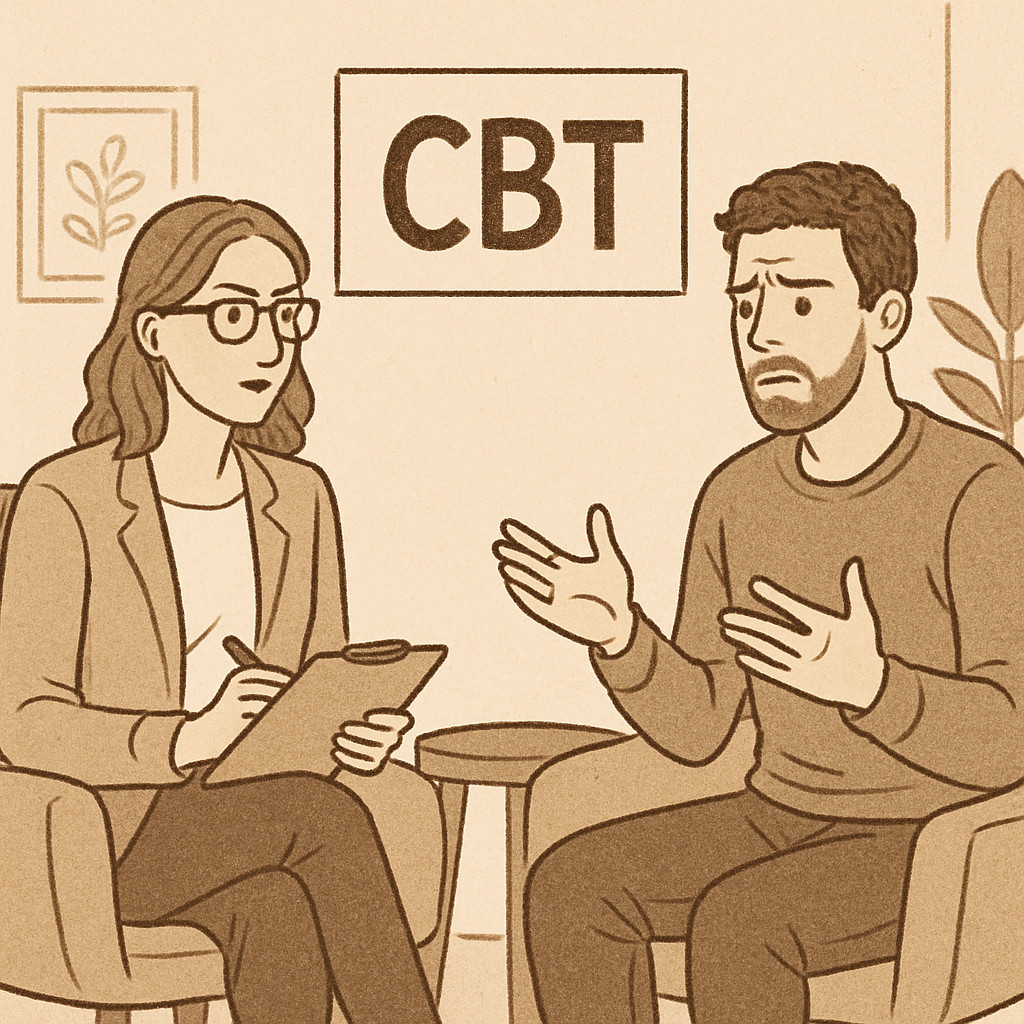
CBT vs Psychotherapy: Key Differences and Similarities
Cognitive Behavioral Therapy (CBT) and psychotherapy are both effective mental health approaches. Yet, they differ in structure, duration, and focus. Understanding these distinctions can aid in selecting the right therapy for individual needs. Some people frame the decision as psychotherapy vs CBT, while others look at cognitive behavioral therapy vs psychotherapy more broadly.
CBT is a highly structured and goal-oriented therapy. It typically focuses on current issues and immediate relief. Sessions are often brief, lasting from 12 to 20 weeks.
In contrast, psychotherapy encompasses various techniques and can be more open-ended. This approach often delves into exploring past experiences and emotional patterns. Sessions may extend over longer periods, depending on personal goals.
Here are some key differences between the two:
- CBT:
- Time-limited
- Structured and goal-oriented
- Focus on present thoughts and behaviors
- Psychotherapy:
- Can be long-term
- Open-ended and exploratory
- Delves into past experiences
Despite these differences, both CBT and psychotherapy aim to improve mental health. They share common goals, such as enhancing emotional resilience and self-awareness.
Their similarities include:
- Emphasis on the therapeutic relationship
- Use of a trained and licensed therapist
- The requirement for active patient participation
While CBT is effective for a practical, problem-solving approach, psychotherapy benefits deeper emotional exploration. Each has its unique strengths, which can complement each other in certain cases.
Choosing between CBT and psychotherapy depends on individual needs, preferences, and treatment goals. Both offer valuable tools for personal growth and mental health improvement. Understanding these therapies can empower patients to make informed decisions.

Psychotherapy Benefits: Who Can Benefit and Why?
Psychotherapy offers profound benefits to a diverse range of individuals. It provides a safe space for exploring personal challenges and emotions. Those experiencing chronic stress, emotional conflicts, or life transitions often find it beneficial.
Unlike some structured therapies, psychotherapy’s open nature allows for deep personal insights. It can be especially useful for individuals wishing to explore past experiences. This exploration aids in understanding current emotional patterns.
People dealing with trauma also gain from psychotherapy. It facilitates the processing of complex feelings and promotes healing. Moreover, it supports emotional resilience, fostering coping strategies for future challenges.
Those who benefit from psychotherapy include:
- Individuals experiencing anxiety or depression
- Those with unresolved emotional conflicts
- People undergoing significant life changes
- Individuals wanting to explore personal identity
Psychotherapy is adaptable to diverse needs. It supports both children and adults, tailored to developmental stages. This flexibility makes it suitable for many, regardless of age or background.
Ultimately, psychotherapy enhances self-awareness and emotional intelligence. It encourages personal growth and improved interpersonal relationships. By providing a supportive environment, psychotherapy empowers individuals to navigate life’s complexities with confidence.
Cognitive Behavioral Therapy: Effectiveness and Use Cases
Cognitive Behavioral Therapy (CBT) stands out for its structured approach. It’s highly effective for treating various mental health conditions. Unlike broader therapies, CBT focuses on altering negative thought patterns and behaviors.
Research supports CBT’s effectiveness for anxiety, depression, and PTSD. Patients experience symptom relief by actively changing the way they think and act. It’s proven to be an excellent tool for managing OCD as well.
CBT is typically short-term, making it appealing to those seeking quick results. Generally, it consists of 12-20 sessions, each structured around specific goals. Patients collaborate closely with therapists, often receiving homework to reinforce learning.
This therapy emphasizes skill development for long-term improvements. Techniques such as cognitive restructuring and exposure therapy empower patients. Behavioral activation encourages engagement in positive activities.
Some common use cases for CBT include:
- Anxiety and panic disorders
- Depression and mood disorders
- Post-Traumatic Stress Disorder (PTSD)
- Obsessive-Compulsive Disorder (OCD)
- Substance use and addiction

CBT helps individuals practice new, healthier behaviors. This practice often extends beyond therapy sessions, promoting sustained change. Its focus on practical solutions and real-world applications makes CBT widely appealing. Whether for children, teens, or adults, CBT offers valuable strategies for enhancing mental health.
Choosing Between CBT and Psychotherapy: Factors to Consider
Choosing between CBT and psychotherapy depends on various factors. Both approaches offer unique benefits tailored to individual needs. It’s important to consider personal preferences and therapy goals.
CBT is ideal for those seeking a structured, goal-oriented approach. Its emphasis is on present issues and practical solutions. This makes it suitable for individuals focused on specific problem-solving.
In contrast, psychotherapy provides a broader exploration of emotional and psychological experiences. It allows for a deeper understanding of past influences on current issues. This might appeal to those interested in personal growth and emotional insight.
Consider the following when choosing a therapy:
- Treatment duration: CBT is often short-term; psychotherapy can be long-term.
- Focus area: CBT addresses specific behaviors; psychotherapy explores emotions and history.
Additionally, individual needs and conditions play a crucial role in the decision. For some, a combination of both therapies might be ideal.
Factors to weigh include:
- Therapist availability: Access to professionals trained in specific techniques.
- Insurance coverage: Some plans may favor one approach over the other.
Ultimately, understanding your mental health needs aids in making the best choice. It’s essential to engage in open discussions with mental health professionals to align therapy choices with personal goals.
Integrating CBT and Psychotherapy: A Combined Approach
Integrating CBT and psychotherapy can offer a comprehensive treatment strategy. This approach combines the strengths of both therapies, addressing varied aspects of mental health.
This dual approach allows for flexibility in meeting the patient’s needs. Integrating CBT’s structured methods with psychotherapy’s exploratory nature can yield better outcomes. It accommodates shifts in patient goals and presents a holistic view of mental health.
A combined therapy approach might include:
- Utilizing CBT techniques for immediate relief of symptoms.
- Engaging in psychotherapy sessions to explore emotional depth.
- Alternating between structured activities and open discussions.

Therapists can tailor this integration to suit individual circumstances. It enables practitioners to draw on a wider range of tools. This customization aids in addressing complex conditions that may not respond to a single therapy type.
Ultimately, integrating CBT and psychotherapy broadens treatment possibilities. It empowers practitioners and patients to collaborate effectively in the healing process. This comprehensive approach ensures no aspect of mental health care is overlooked.
Innovations in Mental Health: Combining Therapy with Brain Technologies
Advancements in brain technology are revolutionizing mental health treatment. Combining traditional therapies with cutting-edge techniques enhances patient care. This integration offers new avenues for understanding and treating mental disorders.
Brain technologies include methods like TMS, MeRT, EEG, and EKG. These techniques can complement therapies like CBT and psychotherapy. They provide objective data and therapeutic benefits, creating a more thorough understanding of mental health.
Key innovations include:
- Transcranial Magnetic Stimulation (TMS): Non-invasive stimulation to treat depression and anxiety.
- Magnetic e-Resonance Therapy (MeRT): Individualized brainwave modulation for various conditions.
- EEG (Electroencephalogram): Real-time brain activity assessment aiding diagnosis.
- EKG (Electrocardiogram): Assesses heart-brain interactions in mental health.

These technologies can personalize treatment plans. By integrating them, professionals tailor approaches specific to individual needs. This synergy between therapy and technology optimizes outcomes.
The future of mental health lies in such innovations. Bridging therapy with technology offers a comprehensive, individualized care model. It empowers patients, enhancing therapeutic efficacy and improving overall well-being.
Also read: TMS vs ECT: Which is Right for You?
How to Get Started: Finding the Right Therapy and Provider
Starting your mental health journey requires careful consideration. Finding the right therapy and provider is crucial. Begin by identifying your specific mental health needs.
Look for licensed professionals with experience in CBT and psychotherapy. Check their credentials and client reviews. This helps ensure quality and expertise.
Ask yourself:
- What are my treatment goals?
- Do I prefer a structured or exploratory approach?
- Am I open to integrating technology in my treatment?
Consider providers who offer personalized treatment plans. Combining different therapies might be beneficial. Ensure they align with your values and preferences.
Consult your primary care physician for recommendations. They can guide you to trusted mental health specialists. Additionally, explore online platforms offering therapy options.
Remember, the right provider can significantly impact your mental health journey. Trust and comfort are essential for effective treatment. Take the time to choose someone who fits your needs.
If you are worried about costs, we recommend reading our article. It discusses how to Evaluate MeRT Therapy Costs Against Alternative Treatments
Conclusion: Empowering Your Mental Health Journey
Deciding on a therapy path is a personal step. Understanding your options, like CBT and psychotherapy, empowers this decision. These therapies offer unique benefits, catering to diverse needs.
Cognitive Behavioral Therapy (CBT) and psychotherapy can transform mental health care. They encourage self-awareness and growth. Integrating these therapies optimally can enhance outcomes.
Choosing the right therapy depends on personal goals. Whether you seek practical solutions or emotional exploration, informed decisions matter. Each approach holds value, depending on individual circumstances.
Empower yourself by exploring therapy options. Engaging with effective therapies boosts mental health journeys. Continuous learning and openness to new treatments foster resilience and recovery. Taking charge of your mental health starts with informed choices, leading to a brighter future.
References
Beck, A. T., & Dozois, D. J. (2011). Cognitive therapy: Current status and future directions. Annual Review of Medicine, 62, 397–409. https://doi.org/10.1146/annurev-med-052209-100032
David, D., Cristea, I., & Hofmann, S. G. (2018). Why Cognitive Behavioral Therapy is the current gold standard of psychotherapy. Frontiers in Psychiatry, 9, 4. https://doi.org/10.3389/fpsyt.2018.00004
Hofmann, S. G., Asnaani, A., Vonk, I. J., Sawyer, A. T., & Fang, A. (2012). The efficacy of Cognitive Behavioral Therapy: A review of meta-analyses. Cognitive Therapy and Research, 36(5), 427–440. https://doi.org/10.1007/s10608-012-9476-1
Leichsenring, F., & Steinert, C. (2017). Is Cognitive Behavioral Therapy the gold standard for psychotherapy? The Lancet Psychiatry, 4(7), e11–e12. https://doi.org/10.1016/S2215-0366(17)30177-3
Shedler, J. (2010). The efficacy of psychodynamic psychotherapy. American Psychologist, 65(2), 98–109. https://doi.org/10.1037/a0018378
Steinert, C., Munder, T., Rabung, S., Hoyer, J., & Leichsenring, F. (2017). Psychodynamic therapy: As efficacious as other empirically supported treatments? A meta-analysis testing equivalence of outcomes. American Journal of Psychiatry, 174(10), 943–953. https://doi.org/10.1176/appi.ajp.2017.17010057