Introduction: Insurance Can Feel Like a Second Diagnosis
You’ve already figured out that something is wrong. Maybe it’s PTSD that won’t let your service member sleep. Maybe it’s depression that isn’t responding to medication. Maybe it’s a child with autism who deserves every possible option.
The last thing you need is to spend hours on the phone trying to decode the difference between Tricare and Blue Cross Blue Shield or wondering whether the treatment that might actually help is even covered.
This article breaks it all down in plain language. We’ll explain both insurance programs, compare what they cover for brain health treatments like TMS (Transcranial Magnetic Stimulation) and MeRT (Magnetic e-Resonance Therapy), and help you figure out your next step.
What Is Tricare?
Tricare is the federal health insurance program for U.S. military personnel, veterans, retirees, and their dependents. It is managed by the Defense Health Agency (DHA) and is one of the most comprehensive health programs in the country — specifically built for the military community.
If you or a family member has served, Tricare is likely your primary insurance option. Here are the main plans:
Tricare Prime works like an HMO. It has the lowest out-of-pocket costs but requires you to use a Primary Care Manager and get referrals for specialists. At Brain Performance Technologies, we accept both Tricare Prime and Tricare Select.
Tricare Select works like a PPO. It gives you more freedom to choose providers without a referral, though your copays are slightly higher. This plan offers great flexibility for families seeking specialized care like interventional psychiatry.
Tricare for Life is a Medicare supplement for military retirees who are also enrolled in Medicare Parts A and B. It can help fill coverage gaps for mental health and neurological treatments.
Tricare Reserve Select and Retired Reserve serve National Guard and Reserve members, giving them access to health coverage that mirrors active-duty plans.
Key advantages of Tricare:
- Low or zero out-of-pocket costs for many services
- Designed around the unique needs of military families, including deployments and relocations
- Covers mental health, PTSD treatment, and many forms of interventional psychiatry
- Widely accepted at specialized brain health clinics
What Is Blue Cross Blue Shield (BCBS)?
Blue Cross Blue Shield is a national federation of 35 independent health insurance companies. Together, they cover more than 100 million Americans — making BCBS one of the largest and most widely recognized insurance brands in the country.
Unlike Tricare, BCBS is available to the general public. It comes in several plan types:
PPO (Preferred Provider Organization): The most flexible option. You can see most providers without a referral, including specialists. Ideal for families who want freedom of choice.
HMO (Health Maintenance Organization): Lower premiums, but you must stay in-network and get referrals for specialists. Similar in structure to Tricare Prime.
EPO (Exclusive Provider Organization): A hybrid — no referrals needed, but you must use in-network providers only.
Key advantages of BCBS:
- Massive nationwide provider network
- Flexible plan options for different budgets
- Covers preventive care, mental health services, and — in many cases — TMS therapy
- Accepted by Brain Performance Technologies (including Anthem Blue Cross of California)
Tricare vs. Blue Cross Blue Shield: Side-by-Side Comparison
| Feature | Tricare | Blue Cross Blue Shield |
|---|---|---|
| Who qualifies | Military, veterans, and dependents | General public |
| Plan types | Prime, Select, for Life, Reserve | HMO, PPO, EPO |
| Out-of-pocket costs | Very low (especially active duty) | Varies by plan |
| Provider network | Military + civilian network | One of the largest civilian networks |
| TMS coverage | Yes, with authorization | Yes, many plans cover it |
| MeRT coverage | Yes, accepted at BPT | Case-by-case |
| Mental health coverage | Comprehensive | Varies by plan |
| Accepted at BPT | ✅ Tricare Prime & Select | ✅ Anthem Blue Cross + others |
How Does Insurance Coverage Work for Brain Treatments Like TMS and MeRT?
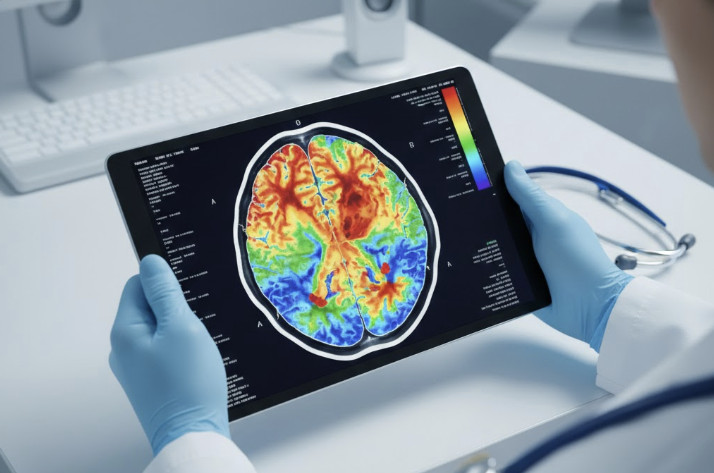
This is where it gets important — especially if you or your family member is seeking treatment for PTSD, depression, anxiety, ADHD, autism, or traumatic brain injury (TBI).
Both Tricare and BCBS cover many forms of interventional psychiatry, but coverage depends on several factors:
- Diagnosis — What has been formally diagnosed, and what treatments have already been tried?
- Medications tried — Most insurers require documentation that medication has been attempted.
- Therapies attempted — Have other forms of therapy (like CBT) been documented?
- Authorization — Prior authorization is often required for advanced treatments like TMS.
At Brain Performance Technologies, we work directly with your insurance carrier to help navigate this process. We accept Tricare Prime and Select, Anthem Blue Cross, Aetna, UnitedHealthcare, Optum, and many others. You can see our full list of accepted carriers here.
Note for military families: Brain Performance Technologies has a dedicated page for military families dealing with depression, serving both the San Francisco Bay Area and Las Vegas. If your family has been affected by deployment, trauma, or service-related brain health challenges, we understand your world.
Which Insurance Is Better for Brain Health Treatments?
The answer depends on your situation.
If you have Tricare: You are likely in a strong position for coverage. Tricare has historically supported coverage for TMS and many interventional psychiatry treatments, especially for PTSD and depression diagnoses that are common in military communities. The key is working with a provider who understands how to navigate Tricare’s authorization requirements — which we do.
If you have BCBS: Coverage quality depends heavily on your specific plan and state. Anthem Blue Cross (a BCBS member) is accepted at BPT. BCBS PPO plans tend to offer more flexibility for accessing specialized providers. Always call member services before beginning treatment to confirm authorization.
If you have both: Some military families carry Tricare plus a secondary commercial plan (such as through a spouse’s employer). This can significantly reduce out-of-pocket costs and expand coverage options.
What to Ask Your Insurance Provider Before Starting Treatment
Before scheduling a brain health evaluation, here are questions to ask your insurer:
- Does my plan cover TMS (Transcranial Magnetic Stimulation)?
- Does my plan cover MeRT (Magnetic e-Resonance Therapy)?
- Does my plan cover qEEG brain mapping?
- What diagnoses qualify for coverage?
- Do I need a referral or prior authorization?
- Is Brain Performance Technologies an in-network provider?
- What is my out-of-pocket maximum for mental health services?
Frequently Asked Questions (FAQ)
Q: Does Tricare cover TMS therapy?
A: Yes. Tricare covers TMS (Transcranial Magnetic Stimulation) for qualifying diagnoses, most commonly major depressive disorder that has not responded to medication. Prior authorization is typically required. Our team at Brain Performance Technologies can help walk you through the process.
Q: Does Blue Cross Blue Shield cover TMS?
A: Many BCBS plans do cover TMS, particularly PPO plans. Coverage criteria vary by state and plan. Anthem Blue Cross of California, which is accepted at BPT, covers TMS for qualifying conditions.
Q: What is MeRT and is it covered by insurance?
A: MeRT (Magnetic e-Resonance Therapy) is a personalized, non-invasive brain treatment that combines qEEG analysis with TMS-based neuromodulation. Coverage varies. We work directly with insurance carriers on behalf of our patients to maximize reimbursement.
Q: Does Tricare cover mental health treatment for PTSD?
A: Yes. Tricare provides comprehensive mental health coverage, including treatment for PTSD, depression, anxiety, and TBI. Brain Performance Technologies accepts Tricare Prime and Select for these conditions.
Q: Can military families use Tricare for autism treatment?
A: Yes. Tricare covers evaluation and treatment for Autism Spectrum Disorder. Brain Performance Technologies offers specialized autism treatment using MeRT technology and accepts Tricare.
Q: Does BPT accept both Tricare and Blue Cross Blue Shield?
A: Yes. We accept Tricare Prime and Tricare Select, as well as Anthem Blue Cross, Aetna, UnitedHealthcare, Optum, and many other major carriers. See our insurance page for the full list.
Q: What if I have Kaiser or an HMO?
A: We do accept HMO referrals including Kaiser, but you must have a community care referral. Call us at 669-220-6880 for details.
Q: What’s the difference between Tricare Prime and Tricare Select for specialty care?
A: Tricare Prime requires a referral from your Primary Care Manager before seeing a specialist. Tricare Select allows you to see in-network specialists without a referral, which makes it easier to access specialized care like brain health treatments.
Q: What information do I need when calling BPT about insurance?
A: Have ready: your formal diagnosis (or diagnoses), your age, any medications you’ve tried, therapies you’ve attempted, and information about other medical conditions including any metal implants in your body (which affects treatment eligibility).
Q: Where is Brain Performance Technologies located?
A: We have locations in San Jose / Silicon Valley, Las Vegas, and Sacramento.
You Don’t Have to Figure This Out Alone
Insurance complexity shouldn’t stand between your family and better brain health. Whether you have Tricare, Blue Cross Blue Shield, or another major carrier, the team at Brain Performance Technologies will work with you — not just hand you a phone number.
We use advanced, non-invasive, drug-free technology including MeRT, TMS, SAINT, and qEEG brain mapping to create personalized treatment protocols for conditions like PTSD, depression, anxiety, autism, ADHD, and TBI.
Every plan is tailored to the individual — because no two brains are the same.
📞 Call us: 669-220-6880 📧 Email us: ask@1bpt.com
Sources & External References
- TRICARE Official Website — tricare.mil
- Defense Health Agency (DHA) — health.mil
- Blue Cross Blue Shield Association — bcbs.com
- FDA Clearance for TMS — fda.gov
- American Psychiatric Association on TMS
- Brain Stimulation Therapies — NIMH
- Interventional Psychiatry Overview — ISNR
- TRICARE Mental Health Coverage
- TRICARE TMS Policy
This article is for informational purposes only and does not constitute medical or insurance advice. Coverage details vary by plan, state, and individual diagnosis. Always verify your specific coverage directly with your insurance provider. For questions about coverage at Brain Performance Technologies, contact us directly.