Choosing the right treatment for depression can be challenging. TMS and ECT are two prominent options. Both are FDA-approved and have shown effectiveness in treating depression.
TMS, or Transcranial Magnetic Stimulation, is a non-invasive procedure. It uses magnetic fields to stimulate nerve cells in the brain. ECT, or Electroconvulsive Therapy, involves electrical stimulation while the patient is under anesthesia.
Each treatment has its own benefits and potential side effects. TMS is generally considered to have fewer side effects compared to ECT. ECT, however, is often used for severe depression that hasn’t responded to other treatments.
Understanding the differences between TMS and ECT is crucial. It helps in making an informed decision about which treatment might be right for you. This article will explore the key aspects of both treatments.
We’ll discuss how they work, their effectiveness, and what to expect during sessions. By the end, you’ll have a clearer picture of TMS vs ECT.
Understanding TMS and ECT: An Overview
TMS and ECT are treatments for mental health conditions, especially depression. They work differently, offering unique approaches to brain stimulation.
TMS uses magnetic pulses to target specific brain areas. This method is precise, focusing on regions linked to mood regulation. Patients are awake during the procedure, and sessions are typically conducted over several weeks.
ECT, on the other hand, involves inducing brief seizures through electrical currents. The patient is under anesthesia, ensuring comfort. ECT is usually performed in a hospital setting due to its intensive nature.
Here’s a quick comparison of their key features:
TMS:
- Non-invasive
- No anesthesia needed
- Outpatient treatment
ECT:
- Requires anesthesia
- Hospital-based
- Quick symptom relief
Both treatments have shown efficacy in treating depression and mood disorders. Understanding these distinctions helps in evaluating which approach aligns with your treatment needs.
How Does TMS Work?
TMS, or Transcranial Magnetic Stimulation, operates using magnetic fields. These fields are generated by a coil placed near the scalp.
The magnetic pulses stimulate nerve cells in the prefrontal cortex. This part of the brain plays a critical role in mood regulation. By activating this area, TMS helps modulate brain activity.
Each session lasts about 20 to 40 minutes. Patients remain fully awake and can resume normal activities immediately afterward. Sessions occur five times per week, typically over four to six weeks.
Key aspects of TMS include:
- Non-invasive procedure
- Short duration sessions
- No sedation required
The stimulation is painless and often described as a tapping sensation. Since TMS is focused and localized, it minimizes side effects. This targeted approach is why many prefer TMS for its precision and convenience.
How Does ECT Work?
Electroconvulsive Therapy (ECT) uses electrical currents to influence brain activity. This treatment necessitates the patient to be under anesthesia.
During ECT, electrodes are placed strategically on the patient’s scalp. Electrical currents trigger a brief, controlled seizure. This process is believed to prompt chemical changes in the brain.
The treatment sessions typically occur two to three times a week. Each session lasts several minutes, but recovery takes longer. Patients might experience confusion or disorientation post-procedure.
Key characteristics of ECT include:
- Involves anesthesia and muscle relaxants
- Administered in a hospital setting
- Induces a brief seizure
ECT has been refined over decades for safety and efficacy. Despite its depiction in media, it’s a well-researched and effective treatment. Especially in severe and treatment-resistant depression, ECT can provide rapid relief. This makes it a vital option for patients with urgent needs.
Comparing Effectiveness: TMS vs ECT for Depression and Bipolar Disorder
Both TMS and ECT are potent therapies for depression, but their effectiveness can differ based on patient needs. ECT often shows rapid results, making it ideal for severe cases. It is especially useful when quick relief from symptoms is needed.
TMS, while slower to show effects, offers benefits over time. It’s suited for patients with persistent depression who have not found success with medication. Many find TMS beneficial after just a few weeks of treatment.
The two therapies’ effectiveness can vary for conditions such as bipolar disorder. ECT is often preferred for acute manic or severe depressive episodes. TMS, however, is still gaining recognition for its potential in bipolar depression.
Here’s a quick comparison:
- ECT: Fast-acting, suitable for severe depression and bipolar disorder.
- TMS: Gradual relief, better for treatment-resistant depression.
Ultimately, choosing between TMS and ECT hinges on personal health profiles.
Side Effects and Safety: What to Expect
Understanding potential side effects is crucial when comparing TMS and ECT. Each treatment has its own profile.
TMS is generally well-tolerated. Patients might experience mild side effects like:
- Scalp discomfort
- Headaches
- Lightheadedness
These effects are typically temporary and manageable. TMS does not involve anesthesia, reducing recovery concerns.
ECT, conversely, has more pronounced side effects due to its invasive nature. Patients might experience:
- Short-term memory loss
- Confusion
- Muscle aches
Despite these, ECT’s rapid relief often outweighs risks for severe cases. Recovery from anesthesia can require monitoring.
Safety is paramount with both TMS and ECT being FDA-approved, ensuring rigorous safety standards. However, individual risks can vary.
Patients with metal implants in the head may not qualify for TMS. Similarly, those with heart conditions might face challenges with ECT. Discussing personal medical history with a healthcare provider will help navigate these decisions. After discussing your specific case, we can tailor a treatment that ensures safety and enhances outcomes.
Treatment Experience: What Happens During Each Session?
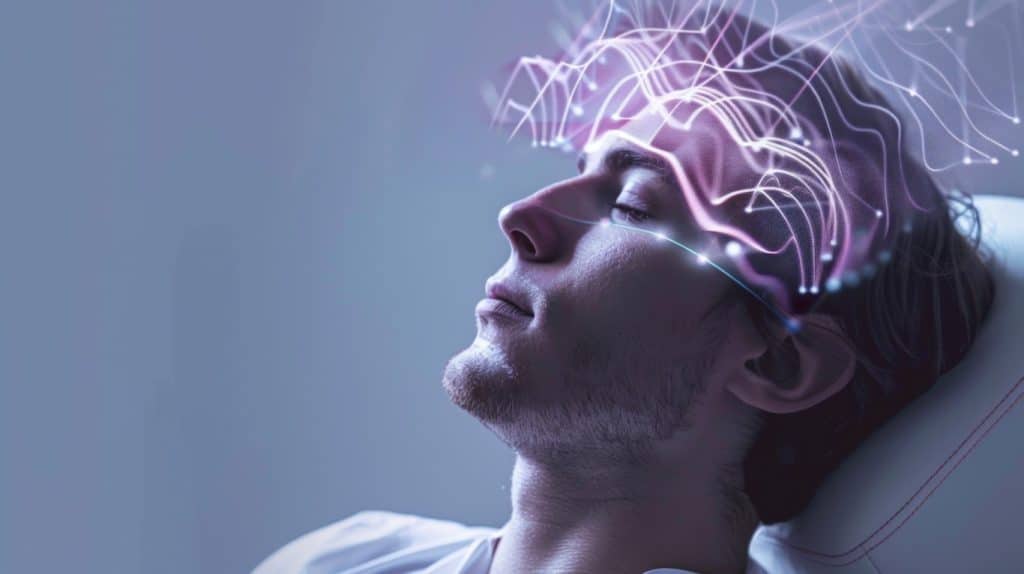
The experience of TMS and ECT sessions varies significantly. Both treatments require commitment to multiple sessions.
TMS sessions are outpatient and concise. Patients remain awake and seated in a comfortable chair.
The technician places a magnetic coil against the scalp. Patients may feel a tapping sensation.
A typical TMS session lasts about 20 to 40 minutes, conducted daily over several weeks.
Conversely, ECT requires hospital visits and involves anesthesia. It usually takes place in a controlled medical setting.
Before ECT begins, patients receive a brief general anesthesia. Electrodes are placed on the scalp.
An electric current induces a controlled seizure, lasting about one minute. This aids in alleviating severe depression.
Post-ECT recovery includes monitoring until anesthesia effects subside. The frequency of sessions is usually two to three times weekly, depending on the treatment plan.
Who Is a Good Candidate? Indications and Contraindications
Choosing between TMS and ECT requires understanding each treatment’s suitability. Both options offer distinct benefits based on patient needs.
TMS is ideal for individuals with treatment-resistant depression. It’s suitable for those wanting to avoid medications or have not found relief through traditional therapies.
ECT is generally reserved for severe cases. It’s often used when rapid improvement is necessary, such as life-threatening depression or bipolar disorder with acute symptoms.
Considerations differ for each treatment. Here’s a quick list of indications and contraindications:
- TMS Indications: Treatment-resistant depression, anxiety, PTSD.
- TMS Contraindications: Metal implants in or near the head.
- ECT Indications: Severe depression, bipolar disorder, catatonia.
- ECT Contraindications: Certain medical conditions like severe heart problems.
At Brain Performance Technologies, we discuss these factors with you. This helps us create the best approach for your unique situation.
Cost, Insurance, and Accessibility
Understanding the financial aspects of TMS and ECT is critical. Both treatments are generally covered by insurance for depression, although coverage specifics vary.
Many insurance plans cover TMS because it is FDA-approved for depression treatment. It may require documentation of a lack of response to other therapies.
ECT is also covered by insurance but often needs prior authorization due to its hospital-based setting. The process can be more involved.
Here’s a summary of key points:
- TMS: Widely covered, possibly requires proof of other treatments’ failure.
- ECT: Typically covered with prior authorization due to hospital setting requirements.
TMS vs ECT: Pros and Cons at a Glance
When evaluating TMS versus ECT, understanding the pros and cons of each can simplify your decision-making process. Here’s a brief comparison.
Pros of TMS:
- Non-invasive and no anesthesia required.
- Minimal side effects, such as mild scalp discomfort.
- Performed in an outpatient setting, convenient scheduling.
Cons of TMS:
- Requires numerous sessions for best results.
- Not suitable for those with certain metal implants.
- May take longer to notice improvements.
Meanwhile, ECT offers a distinct set of advantages and drawbacks that cater to different patient needs.
Pros of ECT:
- Rapid improvement in severe cases.
- Strong effectiveness for treatment-resistant conditions.
- Proven track record and well-studied.
Cons of ECT:
- Potential for memory issues and cognitive side effects.
- Requires anesthesia and hospital setting.
- Higher initial cost and longer recovery time.
Making the Right Choice: Questions to Ask Your Provider
Choosing between TMS and ECT requires careful consideration and informed decision-making. Speaking with your healthcare provider can help clarify your options. Preparing questions in advance ensures a comprehensive discussion.
Questions to Consider:
- What are the expected outcomes for my specific condition?
- How do the side effects compare for me personally?
- Which treatment aligns best with my lifestyle and schedule?
- Are there any long-term impacts on cognitive function?
- What is the cost and coverage for each treatment option?
To get personalized advice and support tailored to your needs, we encourage you to contact Brain Performance Technologies. With three convenient locations in San Jose, Las Vegas, and Sacramento, our team is ready to assist you. We will guide you through your treatment options to help you achieve optimal mental health. Don’t hesitate to reach out for expert assistance!
You may also be interested in other comparisons:
Conclusion: Personalized Care for Better Outcomes
Navigating the choice between TMS and ECT underscores the importance of personalized care. Each treatment offers distinct advantages. Both require a comprehensive understanding of your unique needs and circumstances.
Collaborating with your healthcare team ensures an informed decision. This personalized approach enhances your treatment experience, offering better chances for positive outcomes and improved mental health. Remember, choosing the right path requires careful consideration, but ultimately leads to progress in mental well-being.