Obsessive-compulsive disorder can be relentless. The intrusive thoughts, the compulsions, the hours lost to rituals: for many people, OCD does not respond fully to the first treatments they try. When medication and therapy alone do not bring enough relief, it is...
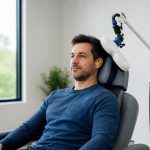
Transcranial Magnetic Stimulation (TMS) is a groundbreaking treatment in mental health care. It offers hope for those with treatment-resistant conditions, with many patients seeking clear TMS results. TMS uses magnetic fields to stimulate nerve cells in the brain....
Choosing the right treatment for depression can be challenging. TMS and ECT are two prominent options. Both are FDA-approved and have shown effectiveness in treating depression. TMS, or Transcranial Magnetic Stimulation, is a non-invasive procedure. It uses magnetic...
Transitioning from Military The inevitable truth about military life is that every person will transition out of it. Leaving the military, whether for medical reasons, retirement, or a planned exit, is an experience unique to everyone. Since there are many different...
EMDR vs. MERT/TMS There are several approaches to therapies of the brain including psychotherapy (e.g., cognitive behavioral therapy (CBT), Eye Movement Desensitization and Reprocessing (EMDR)), neurofeedback, brain stimulation therapy, mindfulness-based therapies,...
Neurofeedback vs. MERT/TMS There are a number of treatments physicians utilize including psychotherapy (e.g., cognitive behavioral therapy (CBT), Eye Movement Desensitization and Reprocessing (EMDR)), neurofeedback, brain stimulation therapy, mindfulness-based...
The FDA has cleared accelerated TMS protocols for depression. Learn what changed, who may benefit, and why it matters for patients who travel for treatment.
Accelerated TMS for autism explained: multiple sessions per day, theta burst stimulation, what new research shows, and what parents should know about safety.



 PTSD is one of the conditions where the gap between what treatment can offer and what patients actually receive is… Read more: TMS for PTSD: What the Evidence Shows for Veterans and Civilians