In January 2026, CNN featured SAINT® (Stanford Accelerated Intelligent Neuromodulation Therapy). This brought national attention to a treatment that has been quietly changing discussions in psychiatry and neuromodulation for years.
For patients dealing with depression, especially those who have not found relief through traditional methods, this coverage is significant. It signifies a widespread recognition. Faster and more precise brain-based treatments are moving from academic research into practical clinical care.
At Brain Performance Technologies, we see this coverage as a chance for education, clarity, and transparency. Below, we explain what SAINT® is and how it differs from standard TMS. We will also discuss the highlights from the CNN article. Most importantly, we will clarify what patients should realistically understand before considering this treatment.
What Is SAINT®?
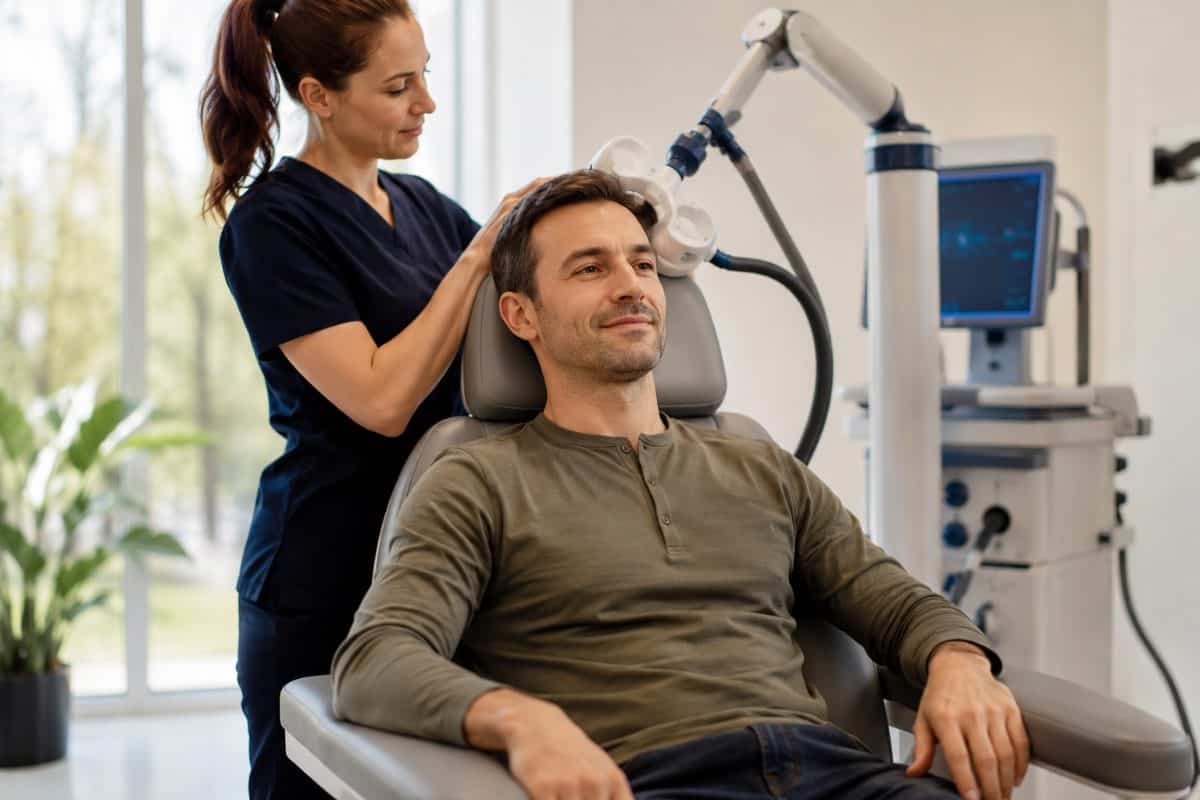
SAINT® (Stanford Accelerated Intelligent Neuromodulation Therapy) is an advanced form of transcranial magnetic stimulation (TMS) developed through years of research at Stanford University. Unlike traditional TMS protocols, which typically last six to eight weeks, SAINT® provides a more intensive treatment format. This innovative approach is delivered over a concise period of just five days.
But speed alone is not what distinguishes SAINT®.
The defining feature is precision.
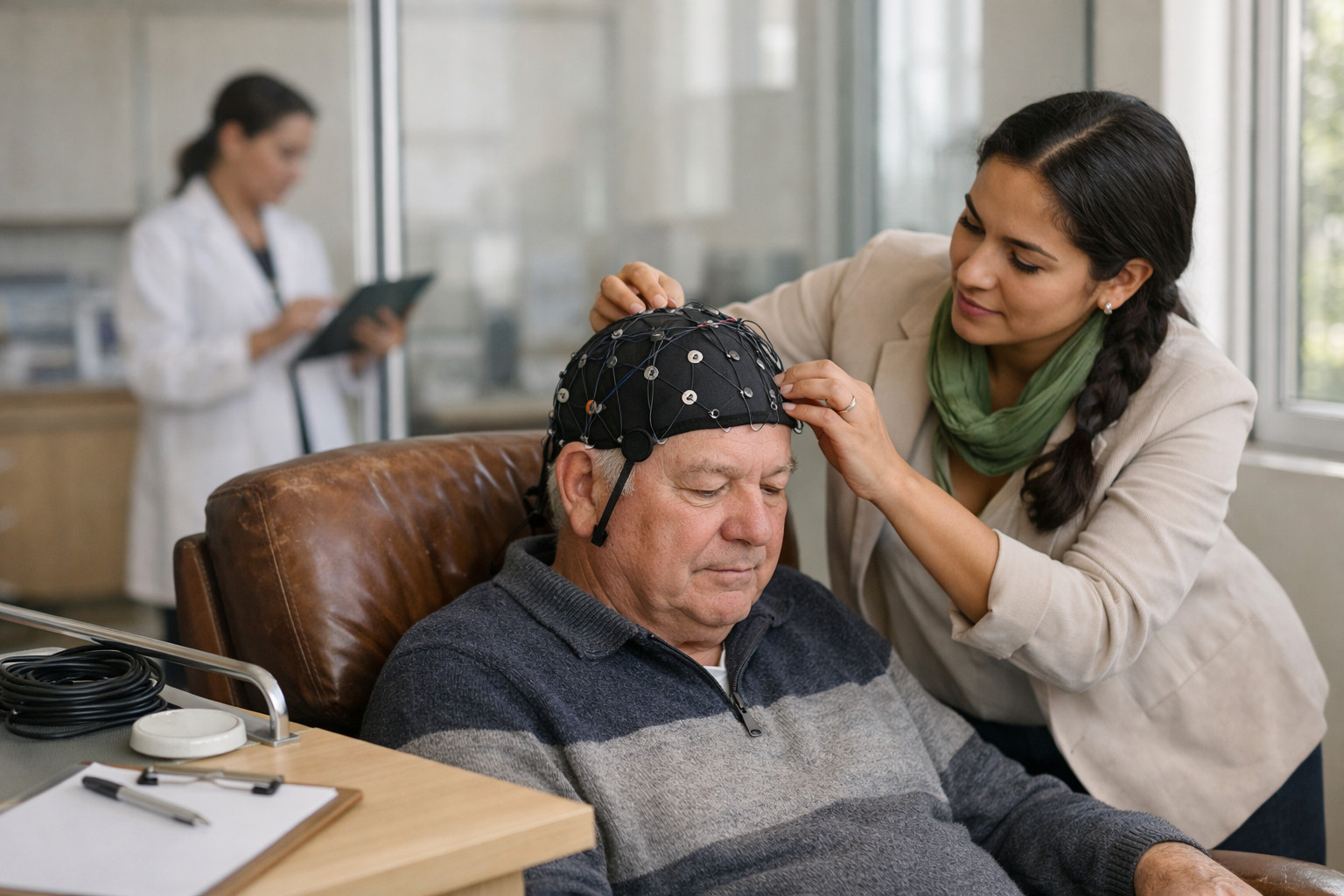
SAINT® uses advanced brain imaging (specifically functional MRI) to identify individualized stimulation targets within the brain’s mood-regulation networks. This personalized approach uses a rapid and powerful stimulation plan. It aims to quickly activate the brain areas associated with depression symptoms.
Why CNN’s Coverage Matters
CNN’s reporting highlights a significant change for both patients and clinicians. SAINT® is now acknowledged as more than just a research protocol. It is becoming part of wider clinical conversations.
Key themes highlighted in the coverage include:
- The urgent need for faster relief in severe and treatment-resistant depression
- The limitations of one-size-fits-all mental health treatments
- The growing role of precision neuromodulation in psychiatry
- The importance of ongoing clinical oversight and responsible patient selection
For patients who have spent years trying different medications and therapies, a shorter, intensive option is very appealing. However, this approach also raises important questions that require careful answers.
How SAINT® Differs From Standard TMS
Traditional TMS has been FDA-cleared for depression since 2008 and has helped many patients. SAINT® builds on that foundation, but differs in several important ways:
1. Targeting Method
Standard TMS often relies on scalp measurements or generalized brain coordinates.
SAINT® uses functional MRI-guided targeting to locate specific nodes within each individual’s mood circuitry.
2. Treatment Schedule
Standard TMS is typically delivered once daily over several weeks.
SAINT® uses multiple daily sessions over five consecutive days, with structured spacing between sessions.
3. Clinical Intensity
SAINT® provides a greater total stimulation dose in less time. This may explain the quick responses observed in research studies.
These differences explain why SAINT® is not just a “faster TMS.” It is a unique protocol that needs specialized training, infrastructure, and patient screening.
Who Might Consider SAINT®?
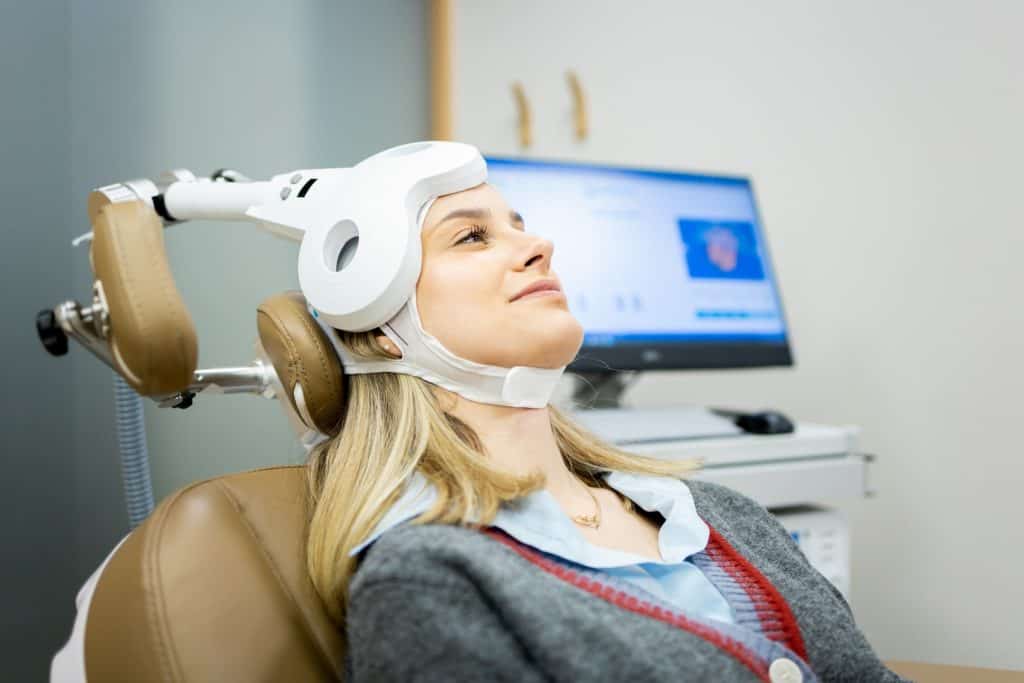
CNN’s coverage primarily focuses on individuals with severe or treatment-resistant depression. This group continues to be the main focus of research efforts.
That said, SAINT® is not appropriate for everyone.
At Brain Performance Technologies, discussions around SAINT® always include:
- A detailed review of medical and psychiatric history
- An assessment of prior treatments and responses
- A conversation about expectations, alternatives, and safety considerations
Importantly, SAINT® is not positioned as a replacement for all mental health care. It is one option within a broader landscape of neuromodulation and psychiatric support.
Addressing Common Misconceptions
“Is SAINT® a cure for depression?”
No. Depression is complex and multifactorial. SAINT® may help recalibrate specific brain circuits involved in mood regulation, but it is not a cure-all.
“Is faster always better?”
Not necessarily. Accelerated protocols require careful patient selection and monitoring. What matters is appropriateness, not speed alone.
“Is this experimental?”
SAINT® is built on FDA-cleared TMS technology and peer-reviewed research, but it remains an evolving protocol. Transparency about benefits, risks, and uncertainties is essential.
Why Precision Matters in Brain-Based Treatment
One of the most important takeaways from CNN’s coverage is the shift toward precision psychiatry.
Just as oncology and cardiology increasingly rely on individualized diagnostics, neuromodulation is moving away from generalized stimulation toward data-guided personalization. SAINT® represents one expression of that shift.
At Brain Performance Technologies, precision is not limited to one protocol. Our approach emphasizes:
- Objective brain data when appropriate
- Clear explanations in plain language
- Ongoing collaboration with patients and their providers
This philosophy extends beyond SAINT® to other neuromodulation options, ensuring patients are not funneled into a single solution.
What Patients Should Ask Before Pursuing SAINT®
If you are considering SAINT®, informed questions matter more than headlines. These include:
- What alternatives exist, and how do they compare?
- What screening is required before treatment?
- What does follow-up care look like?
- How will progress be assessed?
- What are realistic expectations for response and durability?
Responsible clinics welcome these questions, and take time to answer them.
The Broader Implication of National Media Attention
CNN’s article is likely just the beginning. As more studies, long-term data, and real-world outcomes become available, discussions about accelerated neuromodulation will increase.
For patients, this means:
- Greater awareness of non-medication options
- More informed discussions with providers
- Increased scrutiny of claims and outcomes
For clinics, it means a responsibility to communicate carefully, ethically, and accurately.
Our Perspective at Brain Performance Technologies
We welcome thoughtful attention to SAINT®—not because it is new, but because it encourages deeper discussion about how depression is treated, how fast relief should be pursued, and how personalization can improve care.
Our role is not to sell a specific treatment. Instead, we help patients understand if a particular approach fits their needs, values, and medical history.
National media coverage can spark interest. Clinical conversations determine what comes next.
Final Thoughts
The CNN feature on SAINT® highlights a significant change in mental health treatment. This change emphasizes speed, accuracy, and personalized decision-making for patients. For some individuals, SAINT® may represent a meaningful option. For others, different neuromodulation strategies or therapeutic paths may be more appropriate.
What matters most is informed choice, guided by data, experience, and open dialogue.
If you are looking into advanced neuromodulation options for depression, we can help. Our team is prepared to address your inquiries. We can also discuss how approaches such as SAINT® integrate into the broader treatment landscape.