Transcranial Magnetic Stimulation (TMS) is a promising treatment for anxiety. It offers a non-invasive approach to mental health care, delivering non-invasive transcranial magnetic stimulation for anxiety relief. This technique uses magnetic fields to stimulate nerve cells in the brain. For many individuals, transcranial magnetic stimulation for anxiety provides a path forward when other options feel limited.
Anxiety affects millions worldwide, impacting daily life and well-being. Traditional treatments like medication and therapy don’t work for everyone. TMS provides an alternative for those seeking relief, and many consider tms for anxiety when other methods fall short.
TMS is FDA-approved and backed by scientific research. It targets specific brain areas linked to mood regulation. This precision makes it effective for anxiety and depression.
Patients often wonder, does transcranial magnetic stimulation work for anxiety? Studies show positive outcomes, with many experiencing significant symptom reduction. TMS is gaining recognition as a viable option.
At Brain Performance Technologies Clinics, we specialize in TMS for anxiety. Our locations in San Jose, Sacramento, and Las Vegas offer personalized care. We integrate advanced techniques like EEG and EKG for tailored treatment plans.
Understanding TMS can empower patients and healthcare providers. It opens doors to innovative therapies that improve mental health outcomes. Explore how TMS can transform anxiety treatment and enhance quality of life.
Summary
- TMS is a non-invasive therapy approved by the FDA.
- It focuses on brain circuits related to mood to help reduce anxiety and depression.
- Particularly useful for cases where traditional treatments have not worked.
- Clinical studies show TMS is effective, safe, and has few side effects.
- Treatment involves outpatient sessions over several weeks.
- The benefits of TMS can last a long time.
- TMS can be used alongside or instead of medications and therapy.
- Using EEG/EKG with rTMS protocols improves treatment precision and results.
- Brain Performance Technologies offers personalized TMS care in San Jose, Sacramento, and Las Vegas.
- They provide assistance in determining eligibility for TMS and integrating it with other treatments.
- Clear steps are available to help patients get started with TMS.
- There are new considerations regarding the use of TMS in children.
What Is Transcranial Magnetic Stimulation (TMS)?
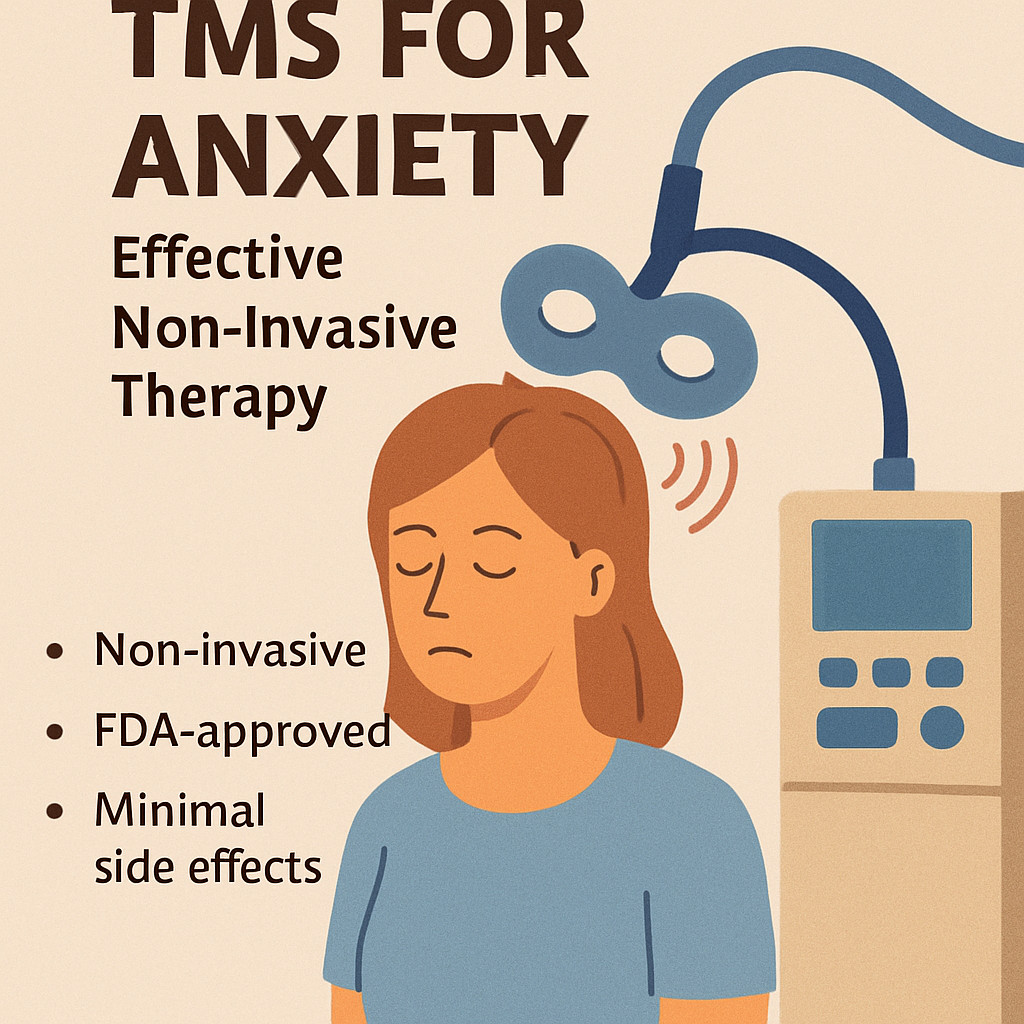
Transcranial Magnetic Stimulation, or TMS, is an innovative neurotechnology. It uses magnetic fields to induce electrical currents in specific brain regions. This non-invasive procedure is designed to modulate brain activity, often delivered as repetitive transcranial magnetic stimulation (rTMS).
TMS targets areas linked to mood and mental health. Its precision allows for direct stimulation without affecting other brain regions. This specificity is crucial for treating conditions like anxiety and depression effectively.
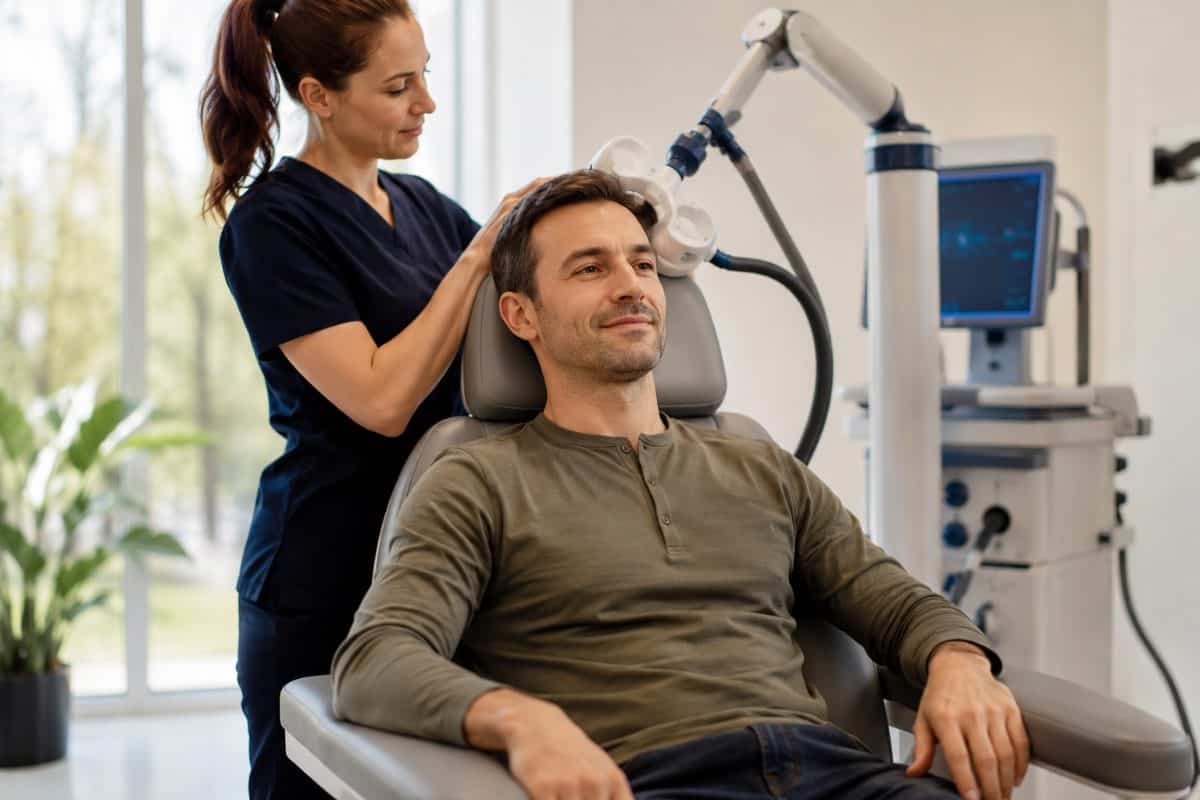
The procedure involves placing an electromagnetic coil near the patient’s scalp. Short pulses of magnetic energy penetrate the skull and alter neuronal activity. This process is painless and quick, often completed in under an hour.
TMS has evolved through rigorous research and development. It has emerged as a safe and effective treatment for various mental health disorders. Many clinicians now use repetitive transcranial magnetic stimulation as treatment for anxiety disorders and other conditions.
Key advantages of TMS include:
- Non-Invasiveness: No surgery or sedation is required.
- Minimal Side Effects: Most patients report only mild discomfort, like scalp tingling.
- Outpatient Convenience: Sessions are quick, with no recovery time needed.
These benefits position TMS as a compelling option for those seeking novel mental health solutions. As awareness grows, more practitioners recognize its potential in clinical settings. TMS continues to expand its impact on patient care, offering hope to those exploring new treatment avenues.
How Does TMS Work for Anxiety?
TMS directly targets brain circuits associated with anxiety. By focusing on these pathways, it aims to regulate emotional responses. The process involves modifying how neurons in these areas communicate. In clinical practice, repetitive transcranial magnetic stimulation for anxiety focuses on restoring healthy activity in these networks.
Anxiety often correlates with altered brain activity patterns. TMS works by restoring balance in these patterns. This adjustment can lead to reduced symptoms over time.
When undergoing TMS, the prefrontal cortex is frequently the primary target. This region plays a key role in mood regulation. By stimulating this area, TMS can enhance emotional control and reduce anxiety levels.
The mechanism involves delivering repeated magnetic pulses. These pulses penetrate the skull to influence neuronal activity. Regular sessions help cement the positive changes in brain function.
Patients typically undergo multiple sessions for optimal results. Each session contributes incrementally to symptom relief. Consistent exposure helps reinforce healthier neural pathways.
The cumulative effect of TMS sessions gradually alleviates anxiety. Many patients report improvements within a few weeks. For some, these benefits continue to grow after treatment ends.
Benefits of TMS for Anxiety:
- Alters Dysfunctional Neural Circuitry: Corrects imbalanced activity linked to anxiety.
- Non-Pharmaceutical: Reduces need for medications with potential side effects.
- Potential for Long-Lasting Impact: Offers sustained relief with ongoing effects post-treatment.
TMS provides an alternative for those who haven’t benefited from conventional therapies. Its unique mechanism offers new hope for managing anxiety effectively. Research continues to explore its potential, revealing ever more about how TMS fosters mental health improvements. As our understanding grows, so too does the promise of TMS as a frontline treatment option for anxiety relief.
TMS for Anxiety vs. Traditional Treatments
Traditional treatments for anxiety commonly include medication and psychotherapy. These approaches can be effective, but they come with limitations. Some patients experience only partial relief or intolerable side effects from medications.
Therapy, on the other hand, often requires a long-term commitment. Sessions can be frequent, and progress might be slow for some individuals. The necessity for persistent engagement can be challenging.
TMS offers a different approach by directly targeting brain activity. Unlike medications, it involves no systemic side effects. This appeals to patients who are sensitive to drug interactions or seeking non-pharmaceutical options.
In comparison to therapy, a TMS anxiety treatment plan often requires fewer sessions over a shorter timeframe. Treatment is typically concise, with scheduled sessions over weeks rather than months. This timeframe can be more appealing for individuals with busy lifestyles.
Key differences between TMS and traditional treatments include:
- Non-invasive and Side Effect-Free: TMS avoids systemic side effects and invasive procedures.
- Speed of Results: Patients may notice improvement more quickly than with psychotherapy alone.
- Alternative for Resistant Cases: Offers hope when traditional methods have failed or plateaued.
Patients receiving traditional treatment for anxiety may still pursue TMS concurrently. Integrating methods can maximize benefits and cater to diverse patient needs. This multifaceted approach can optimize outcomes by combining strengths of multiple therapies.
While no single treatment suits everyone, TMS stands out as a powerful addition. It provides an option for those seeking rapid and sustainable anxiety relief without medication. As more people explore TMS, it continues to reshape how anxiety disorders are treated, offering a streamlined alternative for effective symptom management.
To learn more about how TMS compares with other treatments, read our article Comparing TMS Efficacy to Traditional Treatments
Scientific Evidence: Does Transcranial Magnetic Stimulation Work for Anxiety?
The effectiveness of transcranial magnetic stimulation (TMS) for anxiety is supported by an increasing body of scientific research. Studies indicate that TMS can significantly reduce anxiety symptoms. These findings are based on rigorous, peer-reviewed trials.
Research shows how TMS influences neural circuits involved in anxiety disorders. It targets specific brain areas linked to mood regulation, notably the prefrontal cortex. This non-invasive stimulation alters abnormal activity patterns to more normal levels.
Clinical trials have demonstrated promising outcomes for individuals with anxiety. Participants often report a noticeable reduction in anxiety symptoms. Importantly, the effects appear sustained well after the treatment course concludes.
One study found that patients with generalized anxiety disorder showed marked improvements. This was particularly true for those who hadn’t responded well to medication. The response rate in such trials stands as a testament to TMS’s potential.
The effect of TMS is not limited to generalized anxiety. Other anxiety disorders, like panic disorder and PTSD, have also shown positive responses. This versatility widens its scope, making it beneficial for various anxiety-related conditions.
Several clinical observations highlight TMS’s safety profile. It’s noteworthy for having minimal side effects compared to medication. This makes TMS an appealing option for people wary of traditional pharmaceutical treatments.
Key findings from recent scientific studies include:
- Efficacy: Significant reduction in anxiety symptoms noted.
- Patient Satisfaction: High satisfaction and tolerability among patients.
- Diverse Application: Effective across multiple anxiety-related disorders.
While evidence is robust, ongoing research continues to refine our understanding. Future studies may establish more precise protocols and broaden its applicability further. Nonetheless, current data firmly support TMS as a viable treatment for anxiety disorders.
Overall, TMS offers a science-backed alternative for those struggling with anxiety. It provides hope for people who’ve found little relief through conventional methods. As research advances, TMS remains at the forefront of innovative anxiety therapies.
TMS for Anxiety and Depression: Dual Benefits
Transcranial magnetic stimulation for anxiety and depression shows promise for both conditions. These conditions often coexist, making treatment complex. TMS offers simultaneous relief for both, providing dual benefits.
Anxiety and depression share overlapping neural circuits. These interconnected pathways mean treatments targeting one can affect the other. TMS modulates these circuits, improving mood and reducing anxiety.
Many patients experience compounded symptoms of anxiety and depression. Traditional treatments, like medication, might address only one condition. TMS, however, has demonstrated efficacy in treating both.
Clinical evidence suggests TMS reduces the severity of symptoms in dual-diagnosis patients. Patients often notice improvements in their general well-being. This holistic effect is advantageous for comprehensive mental health care.
The dual benefits of TMS are evident in its growing use for treatment-resistant cases. Unlike medications, TMS has a lower risk of side effects. For those seeking alternative therapies, TMS offers an appealing option.
Also read: First Steps After a Depression Diagnosis
The key advantages of TMS for anxiety and depression include:
- Synergistic Effects: Addresses overlapping neural mechanisms.
- Multifaceted Relief: Reduces symptoms of both anxiety and depression.
- Safe Option: Lower side-effect profile compared to medication.
With its dual-action approach, TMS continues to attract interest from both clinicians and patients. Understanding the overlapping nature of anxiety and depression, TMS presents a valuable tool in mental health treatment strategies.
Repetitive Transcranial Magnetic Stimulation as Treatment for Anxiety Disorders
Repetitive Transcranial Magnetic Stimulation (rTMS) is making waves as an innovative treatment for anxiety disorders. This approach involves delivering magnetic pulses to specific brain regions. These pulses help recalibrate neural activity associated with anxiety.
The technique targets areas of the brain connected to mood regulation. By stimulating these regions, rTMS can modify abnormal neural patterns. This adjustment helps alleviate the burdensome symptoms of anxiety disorders.
For individuals with treatment-resistant anxiety, rTMS serves as a beacon of hope. Traditional therapies like medication and psychotherapy sometimes fall short. rTMS offers a non-invasive alternative, expanding the spectrum of available treatments.
Research supports the efficacy of rTMS in treating anxiety. Multiple studies highlight notable improvements in patient anxiety levels post-treatment. These findings reinforce its potential as a primary or adjunctive therapy.
Key benefits of rTMS for anxiety disorders include:
- Targeted Therapy: Focuses on brain areas involved in anxiety.
- Non-Invasive: Provides a non-surgical treatment option.
- Research-Backed: Supported by scientific studies for effectiveness.
Given its capabilities, rTMS stands as a prominent option within the array of mental health interventions. It not only caters to symptom relief but also contributes to long-term management of anxiety disorders. As awareness and application grow, so does its potential to reshape how we treat anxiety.
What to Expect During TMS Anxiety Treatment
TMS anxiety treatment is a structured and routine process. Each session typically lasts around 30 to 40 minutes. Patients remain awake and fully conscious throughout the procedure.
The treatment begins with the patient seated comfortably in a specialized chair. A trained technician then positions a magnetic coil near the head. This coil emits magnetic pulses aimed at stimulating specific brain areas.
Patients may hear a clicking sound, akin to that of an MRI machine. These pulses are generally painless, although some individuals might feel a tapping sensation on their scalp. The intensity of the magnetic pulses can be adjusted based on comfort and therapeutic needs.
Over the course of the TMS regimen, patients usually undergo sessions five days a week for four to six weeks. Each patient’s progress is closely monitored to ensure optimal results. Some individuals may start noticing positive changes in symptoms early on.
Key points about TMS anxiety treatment:
- Non-Sedative: Patients remain alert during sessions.
- Minimal Discomfort: Most experience slight or no discomfort.
- Regular Monitoring: Treatment is personalized and adjusted as needed.
The entire therapy is designed to be seamless and straightforward. After each session, patients can immediately resume their daily activities without any downtime. This convenience makes TMS a practical option for those seeking effective anxiety relief.
Who Is a Good Candidate for TMS Mental Health Therapy?
TMS mental health therapy offers hope to those with persistent anxiety disorders. Understanding who benefits most is key for successful outcomes. Candidates typically include individuals who have not responded to traditional treatments. Many people also search for tms mental health options when side effects from medications become a concern.
For adults, TMS is often recommended after trying other therapies, including medications and counseling. Its non-invasive nature makes it appealing to those seeking alternatives to pharmaceuticals. Importantly, TMS does not require any form of sedation.
Potential candidates might also include individuals who experience side effects from medications. The therapy provides an option that does not interfere with daily functioning. Furthermore, it’s suitable for people seeking treatments that align with a holistic lifestyle.
Key characteristics of ideal TMS candidates:
- Treatment-Resistant: Anxiety does not improve with traditional treatments.
- Intolerant to Medication: Experience adverse effects from anxiety medications.
- Non-Invasive Preference: Desire less invasive treatment without anesthesia.
It is important that those considering TMS undergo a comprehensive evaluation. This ensures the therapy aligns with their medical history and personal needs. Consulting with a qualified healthcare provider can help determine eligibility for TMS.
Safety, Side Effects, and Myths About TMS
Transcranial Magnetic Stimulation is a safe procedure for anxiety treatment. It is FDA-approved and has been thoroughly researched. It’s important to distinguish facts from myths surrounding this technology.
Common myths suggest TMS is painful or risky. In reality, the procedure is non-invasive and pain-free. Most patients only experience mild scalp discomfort during sessions.
Side effects are generally minimal and short-lived. Patients might experience a headache, lightheadedness, or tingling during the initial treatments. Adjustments in the session settings usually alleviate these symptoms.
Here are some key points to consider:
- Non-Invasive: TMS does not involve surgery or sedation.
- Minimal Side Effects: Most side effects are temporary and mild.
- Misconceptions: Contrary to some beliefs, TMS is not painful and does not cause harm.
Understanding these aspects helps dispel misinformation. When considering TMS, consulting with a professional can provide a balanced perspective. A deeper understanding leads to informed decision-making regarding mental health treatment options.
Integrating TMS with Other Therapies for Anxiety Relief
Transcranial Magnetic Stimulation can be an effective component of a comprehensive anxiety treatment plan. Many patients benefit from combining TMS with traditional therapies.
Traditional anxiety treatments include medication, cognitive-behavioral therapy (CBT), and lifestyle changes. TMS can enhance the effectiveness of these approaches.
Integrating TMS with other therapies maximizes outcomes. This combination offers a holistic approach to mental health care.
Consider these integration strategies:
- Medication: TMS can be paired with antidepressants or anti-anxiety medications to boost effectiveness.
- Cognitive-Behavioral Therapy (CBT): Using TMS alongside CBT may enhance cognitive restructuring and coping strategies.
- Lifestyle Modifications: Incorporating TMS with lifestyle changes, such as stress management or diet adjustments, provides additional benefits.
Discussing these options with healthcare providers ensures an individualized treatment plan. Personalized care improves the likelihood of achieving long-term relief from anxiety symptoms. Integrating therapies allows a comprehensive approach, addressing both biological and psychological components of anxiety.
TMS for Children and Adolescents: What Pediatricians Should Know
Transcranial Magnetic Stimulation (TMS) is now gaining attention for pediatric care. It offers promise for young patients with anxiety. As non-invasive and safe, TMS has been FDA-approved for adults, and research is ongoing for its use in children.
Pediatricians should be aware of TMS as a viable option, especially for treatment-resistant cases. TMS provides a therapy alternative without medication side effects.
Key considerations for pediatric application include:
- Developmental Stage: TMS should be tailored for different age groups to suit developmental needs.
- Safety Profile: TMS has a strong safety record, but ongoing monitoring is essential for children.
- Family Involvement: Parental engagement is crucial for successful treatment outcomes.
Continuous research and clinical trials aim to expand TMS applications for younger populations. Pediatricians need to stay updated with the latest developments. Early intervention through TMS can potentially improve long-term mental health for children and adolescents experiencing anxiety.
Recommended reading: Preparing Children for Treatment Made Easy
Personalized TMS: The Role of EEG and EKG in Treatment Planning
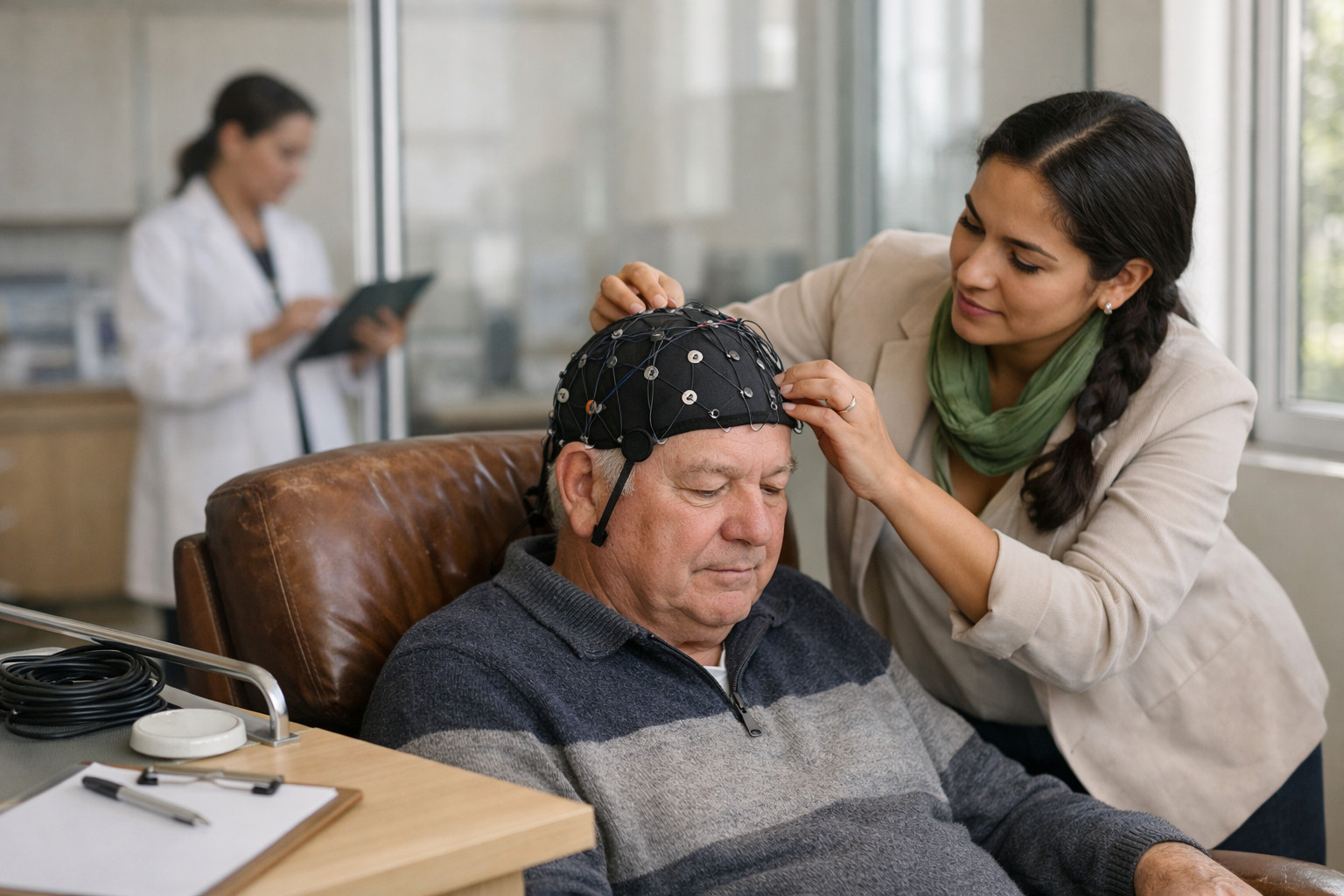
Personalized TMS treatment can enhance effectiveness and precision. Utilizing EEG and EKG in planning offers tailored approaches for each patient. These tools help clinicians understand individual brain activity and heart rhythms.
EEG provides crucial data on brain wave patterns. It helps identify areas requiring targeted stimulation. This ensures that TMS focuses on regions contributing to anxiety symptoms.
EKG monitors cardiovascular responses during treatment. It ensures the patient’s heart health is maintained throughout the process.
Implementing EEG and EKG offers multiple benefits:
- Precision: Tailors TMS to individual neurological profiles.
- Safety: Monitors heart function, ensuring treatments remain safe.
- Effectiveness: Increases likelihood of positive outcomes through personalized therapy.
At Brain Performance Technologies Clinics, we integrate these advanced tools. This personalized approach aims to enhance treatment efficacy for patients experiencing anxiety. Our focus remains on delivering non-invasive solutions that cater to individual health needs.
Why Choose Brain Performance Technologies Clinics in San Jose, Sacramento, and Las Vegas?
Choosing the right clinic is vital for successful treatment. Our Brain Performance Technologies Clinics offer cutting-edge TMS therapy across San Jose, Sacramento, and Las Vegas. We have cultivated a patient-centric approach that prioritizes individual needs and preferences.
Our clinics are staffed with experienced professionals dedicated to improving mental health. We utilize FDA-approved technologies to deliver the highest standard of care. Each location maintains a welcoming environment designed for comfort and healing.
Key benefits of choosing our clinics:
- Expert Team: Highly trained professionals with specialized expertise in TMS.
- Advanced Technology: State-of-the-art equipment ensures effective treatment.
- Personalized Care: Treatments tailored to each patient’s unique needs.
Patients seeking care can access brain performance technologies clinics in san jose sacramento and las vegas for comprehensive evaluations and support.
Brain Performance Technologies Clinics are committed to offering reliable support. We strive to be leaders in non-invasive mental health treatments.
Frequently Asked Questions About TMS for Anxiety
Many people have questions about TMS therapy for anxiety. Below are some common queries to help clarify this treatment.
How long does TMS treatment last? Sessions typically last 30 to 40 minutes, with a series often spanning 4 to 6 weeks.
Is TMS painful? Most patients experience little discomfort, describing sensations as mild tapping on the scalp.
What are the success rates for TMS? Many studies show TMS significantly reduces anxiety in numerous patients, though individual results may vary.
Here’s a summarized list of answers:
- Session Duration: 30-40 minutes
- Treatment Length: 4-6 weeks
- Pain Level: Minimal discomfort
- Effectiveness: Proven to reduce anxiety
These answers cover essential concerns, ensuring patients make informed decisions. For more detailed questions, consult our clinics directly.
Next Steps: How to Get Started with TMS Anxiety Treatment
Beginning your TMS treatment journey is straightforward. The first step involves scheduling a consultation at one of our Brain Performance Technologies Clinics in San Jose, Sacramento, or Las Vegas.
During your initial visit, our specialists will assess your symptoms. We’ll then develop a personalized treatment plan for your specific needs.
Key steps in getting started:
- Schedule a Consultation: Contact us to book your appointment.
- Initial Assessment: Meet with our specialists to evaluate your condition.
- Personalized Plan: Receive a tailored treatment strategy.
Reach out to us for further assistance. Let us guide you toward improved mental health.