Transcranial Magnetic Stimulation (TMS) is a groundbreaking treatment in mental health care. It offers hope for those with treatment-resistant conditions, with many patients seeking clear TMS results.
TMS uses magnetic fields to stimulate nerve cells in the brain. This non-invasive method is gaining popularity for its effectiveness. Clinicians increasingly cite transcranial magnetic stimulation effectiveness in routine practice.
Traditional treatments like medication and therapy have limitations. They don’t work for everyone and can have side effects. When comparing TMS efficacy to traditional treatments, it’s important to understand these limitations.
TMS provides an alternative with fewer side effects. It is particularly promising for depression and other mental health disorders. Evidence of TMS efficacy continues to grow across diverse populations.
Research indicates that TMS can be as effective as traditional treatments. Many studies show encouraging success rates for transcranial magnetic stimulation. It is especially beneficial for those who haven’t responded to other therapies.
The success rate of TMS is encouraging. Many patients report significant improvements in their symptoms, adding to the broader discussion of TMS success rate across clinics.

TMS is FDA-approved and backed by scientific research as well as TMS therapy reviews. It is a safe and effective option for many patients.
At Brain Performance Technologies in San Jose, Las Vegas, and Sacramento, we offer comprehensive TMS services. Our clinics are dedicated to improving patient outcomes.
We provide personalized treatment plans tailored to individual needs. Our goal is to help patients achieve better mental health.
This article will be comparing TMS efficacy to traditional treatments. We will examine transcranial magnetic stimulation research, protocols, and patient experiences.
Join us as we delve into the world of TMS and its potential benefits.
Summary
Transcranial Magnetic Stimulation (TMS) is a non-invasive treatment approved by the FDA. It shows effectiveness similar to traditional therapies, often with fewer side effects. This is particularly beneficial for those with treatment-resistant depression. Emerging evidence supports the use of various protocols, including rTMS, dTMS, and iTBS. These techniques are effective for conditions beyond depression, such as OCD and PTSD. Real-world reviews and studies show promising response rates. These rates are often around 50% to 60% for individuals with treatment-resistant depression (TRD). Additionally, many patients experience sustained benefits from these treatments. Compared with medications, ECT, and ketamine, TMS offers favorable tolerability and outpatient convenience, and it can be effectively integrated with psychotherapy and other modalities. Brain Performance Technologies provides personalized TMS services in San Jose, Las Vegas, and Sacramento, tailoring protocols to individual needs.
Understanding Transcranial Magnetic Stimulation (TMS)
Transcranial Magnetic Stimulation (TMS) offers a unique approach to brain health. It uses magnetic pulses to stimulate specific brain areas.
This stimulation targets regions involved in mood regulation. The primary focus is often the prefrontal cortex, associated with depression.
TMS is non-invasive and doesn’t require anesthesia. Patients remain awake and alert during sessions.
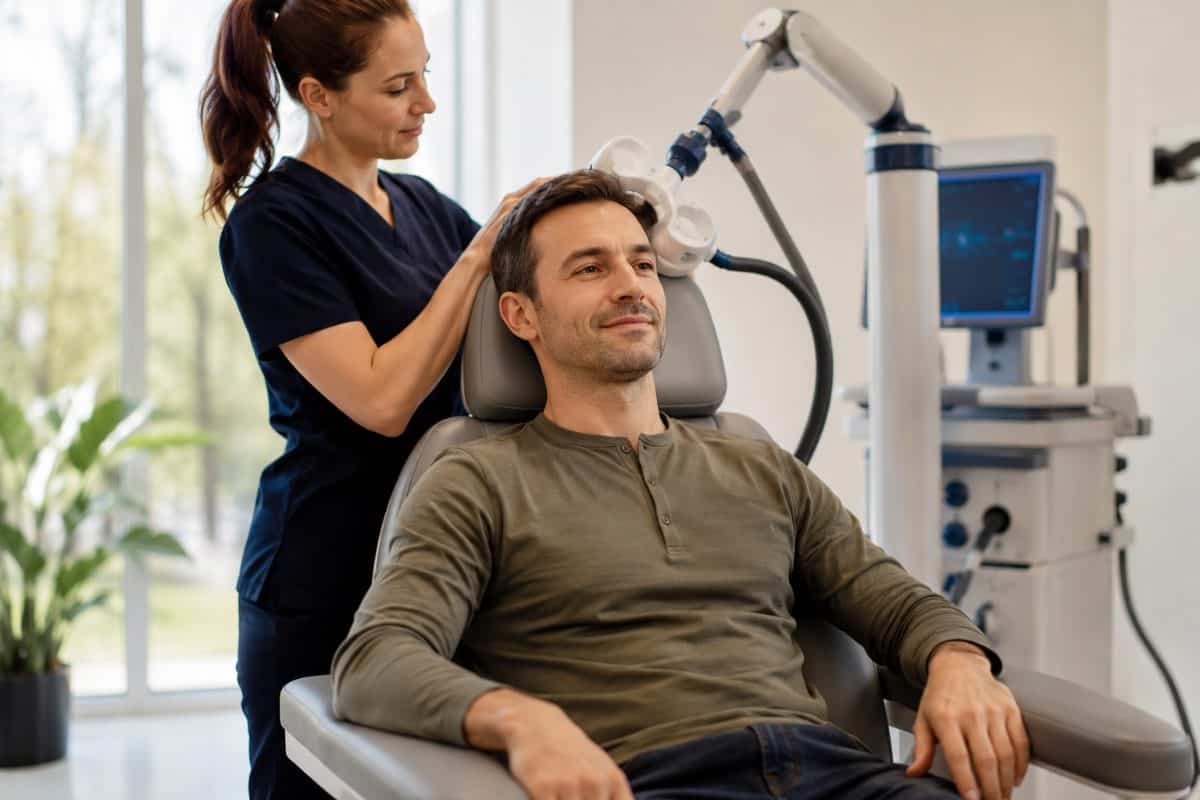
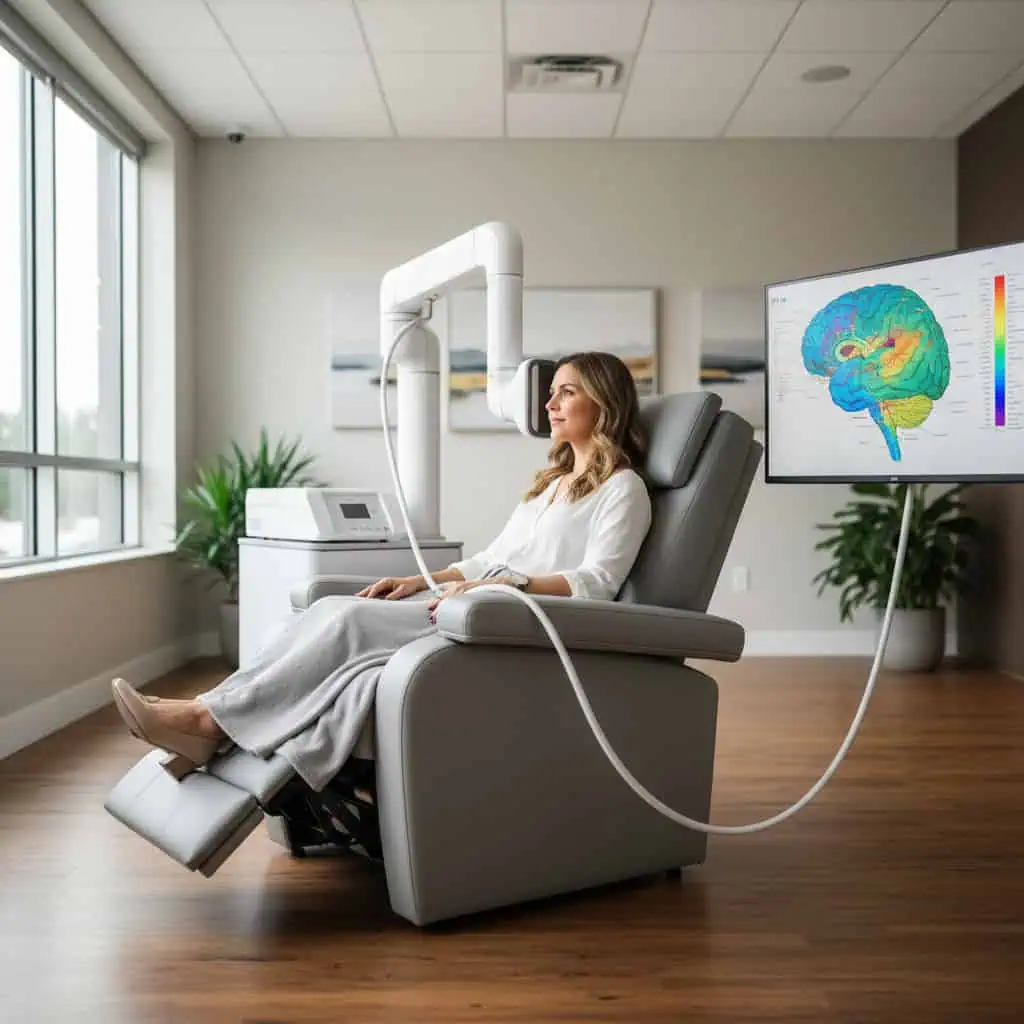
A TMS session involves placing a coil on the patient’s scalp. The coil emits magnetic pulses to modulate brain activity. A typical TMS protocol begins with motor threshold mapping and a tailored session plan.

These pulses promote brain plasticity and neurotransmitter release. This can lead to improved mood and cognitive function.
There are several forms of TMS, each with distinct protocols:
- Repetitive TMS (rTMS): Involves rhythmic magnetic pulses.
- Deep TMS (dTMS): Penetrates deeper into the brain.
- Intermittent Theta-Burst Stimulation (iTBS): Short, intense bursts of stimulation.
TMS is FDA-approved for treating depression. It is also being studied for other conditions like anxiety and PTSD.
The treatment typically requires multiple sessions. Patients often undergo TMS five days a week for several weeks.
Many clinics, including Brain Performance Technologies, customize TMS protocols. They tailor treatments to meet individual patient needs.
TMS is gaining recognition for its success rate. Patients and practitioners appreciate its effectiveness and minimal side effects, reflected in growing TMS treatment reviews.
Traditional Treatments for Depression and Other Mental Health Conditions
Traditional treatments for mental health conditions vary widely. They typically involve medications, psychotherapy, or a combination of both.
Antidepressant medications are a common choice for depression. These include selective serotonin reuptake inhibitors (SSRIs) and serotonin-norepinephrine reuptake inhibitors (SNRIs).
Medications aim to balance neurotransmitters in the brain. They can improve mood, energy, and sleep patterns.
However, not all patients respond well to medications. Some experience minimal improvement or intolerable side effects.
In addition to medications, psychotherapy plays a crucial role. Cognitive-behavioral therapy (CBT) is widely used for depression and anxiety.
CBT helps individuals identify and change negative thought patterns. It empowers them with coping strategies.
There are several forms of psychotherapy available:
- Cognitive Behavioral Therapy (CBT): Focuses on modifying dysfunctional thoughts.
- Dialectical Behavior Therapy (DBT): Combines CBT with mindfulness for emotion regulation.
- Interpersonal Therapy (IPT): Addresses interpersonal issues contributing to depression.
Despite its effectiveness, psychotherapy requires commitment and time. It often involves weekly sessions over several months.
For severe cases, Electroconvulsive Therapy (ECT) may be considered. ECT can be effective but involves anesthesia and carries certain risks.
Traditional treatments provide significant relief for many. Nonetheless, they may not suffice for treatment-resistant cases.
The goal is to alleviate symptoms and improve quality of life. Thus, finding the right treatment plan is essential.
Innovative treatments like TMS offer hope for those unresponsive to traditional approaches. These options enrich the arsenal against mental health challenges.
TMS Protocols: rTMS, dTMS, iTBS, and Advanced Approaches
Transcranial Magnetic Stimulation (TMS) employs different protocols. Each protocol offers unique benefits tailored to specific conditions.
Repetitive TMS (rTMS) is widely used. It delivers magnetic pulses to the brain at regular intervals.
This non-invasive method targets brain areas involved in mood regulation. rTMS is particularly effective for depression.
Deep TMS (dTMS) goes deeper into the brain than rTMS. It allows for broader stimulation of neural networks.
dTMS uses specialized coils to penetrate further. This method is beneficial for treatment-resistant cases.
Intermittent Theta-Burst Stimulation (iTBS) is another innovative approach. It uses short, intense bursts of magnetic pulses.
iTBS is quicker than traditional protocols. Sessions can last only a few minutes, making it convenient for patients.
Advanced TMS protocols are continually evolving. Researchers explore combinations and modifications to enhance effectiveness.
Customization of treatment is also possible. Protocols can be adjusted according to individual response.
Different protocols mean varied stimulation locations, frequencies, and intensities. This customization aids in maximizing therapeutic outcomes.
Diverse TMS protocols expand treatment possibilities. They provide alternative solutions for those who haven’t found relief with standard methods. Published rTMS treatment reviews often cite strong outcomes, including in patients with rTMS treatment resistant depression.
Current practices include:
- rTMS: Repetitive stimulation at set intervals.
- dTMS: Deeper brain region targeting.
- iTBS: Short, high-frequency bursts for efficiency.
The choice of protocol depends on the condition and patient-specific factors. A thorough evaluation guides this decision.
Overall, TMS protocols are versatile and adaptable. They continue to improve with ongoing research and technological advancements.
Transcranial Magnetic Stimulation Effectiveness: What Does the Research Say?
Transcranial Magnetic Stimulation (TMS) has gained attention due to its effectiveness. Research plays a crucial role in understanding its impact. Growing bodies of transcranial magnetic stimulation research provide clarity on best practices.
Numerous studies have highlighted TMS’s potential benefits. They emphasize its efficacy in treating depression and other conditions.

In depression, TMS offers promising results. It’s shown to be beneficial for those resistant to traditional treatments.
Research indicates significant improvements in mood and functioning. Many patients experience relief after several sessions, with favorable transcranial magnetic stimulation results.
TMS is not limited to depression alone. It’s being explored for various mental health disorders.
Studies on obsessive-compulsive disorder (OCD) show positive outcomes. This extends to PTSD and anxiety as well.
The FDA has approved TMS for depression. This underscores its proven safety and efficacy.
Long-term studies reveal sustained improvements. Patients often report benefits lasting several months post-treatment.
Evaluations compare TMS to other methods. TMS frequently emerges as a viable alternative for resistant cases.
Meta-analyses support these findings. They provide a broad perspective on TMS’s overall success rate and transcranial magnetic stimulation success rate across populations.
Key aspects of TMS research include:
- Depression: Efficacy in treatment-resistant cases.
- OCD and PTSD: Emerging evidence of benefits.
- Safety: Favorable safety profile over long-term use.
Additionally, ongoing trials aim to optimize treatment parameters. Adjustments to frequency and intensity are being tested.
A deeper understanding of the neural mechanisms is developing. This contributes to enhancing protocol design and patient outcomes.
Overall, TMS research is extensive and diverse. It informs clinical practices and shapes the future of brain stimulation therapies. Many transcranial magnetic stimulation reviews reinforce these findings from real-world settings.
Despite its achievements, research continues to expand. Investigating novel applications of TMS remains a priority.
Collaborative efforts among scientists ensure rigorous studies. This collaboration advances TMS as an integral part of mental health care.
In conclusion, TMS has demonstrated its effectiveness through substantial research. It represents a transformative tool for many battling mental health disorders.
TMS for Treatment-Resistant Depression: Success Rates and Reviews
Treatment-resistant depression (TRD) presents significant challenges. Traditional therapies often fail to provide relief, leaving patients in distress.
Transcranial Magnetic Stimulation (TMS) emerges as a promising alternative for TRD. It offers hope to those who have exhausted conventional options. Many programs highlight TMS for treatment-resistant depression as a core service.
TMS works by targeting specific brain regions. It modulates neural activity associated with mood regulation.
Clinical evidence supports TMS’s efficacy in TRD cases. Many patients report noticeable improvements in symptoms.
Success rates for TMS in TRD vary across studies. However, reports often cite response rates around 50-60%, aligning with the broader TMS therapy success rate literature.
These numbers are notable given the treatment-resistant nature of the condition. TMS provides a viable option where others have failed.
Patient reviews highlight personal transformations. Many describe significant mood elevation and better quality of life.
Feedback from those who underwent TMS includes:
- Mood Improvement: Many experience a renewed sense of positivity.
- Symptom Reduction: Decrease in depressive symptoms is frequently reported.
- Daily Functioning: Enhanced ability to perform daily tasks and engage socially.
Moreover, TMS is well-received due to its non-invasive nature. This makes it an attractive choice for those avoiding more invasive methods.
Aside from personal reviews, studies continuously evaluate TMS outcomes. They aim to refine protocols for enhanced effectiveness and improve the TMS treatment success rate in routine care.
Most TMS reviews highlight its favorable side effect profile. Few experience the severe adverse effects often associated with medications.
Research and patient testimonials collectively emphasize TMS’s potential. They paint a picture of hope for individuals battling TRD.
As research expands, refinements in TMS protocols may increase success rates. Personalized treatment plans could offer even better results in the future.
Overall, TMS stands out as a life-changing intervention. For many with treatment-resistant depression, it represents a second chance at mental wellness.
Comparing TMS to Antidepressant Medications
Transcranial Magnetic Stimulation (TMS) and antidepressant medications serve as popular treatments for depression. However, they differ in mechanism and effects.
Antidepressants primarily influence neurotransmitter levels in the brain. They require daily administration and often months to show results.
TMS, on the other hand, uses magnetic fields to stimulate specific brain regions. It offers a non-invasive treatment option with direct stimulation effects.
Comparatively, TMS often shows quicker improvements in depressive symptoms than medications. Many patients experience relief within weeks, a finding reflected in tms for depression reviews.
Both treatments boast clinical effectiveness, yet patient responses vary. Choosing between the two often depends on individual needs and preferences.
A comparison of TMS and antidepressants includes:
- Speed of Effect: TMS often provides faster relief than antidepressants.
- Side Effects: Antidepressants frequently cause systemic side effects; TMS has a localized side effect profile.
- Invasiveness: Antidepressants require ongoing drug intake; TMS involves session-based non-invasive procedures.
For some, medications suffice, especially when side effects are minimal and benefits outweigh the risks. TMS is preferred by others, particularly for those who experience medication side effects.
Additionally, TMS offers a drug-free option, appealing to patients seeking holistic approaches. It fits into multi-modal treatment plans alongside psychotherapy.
Many clinicians advocate for TMS, especially for individuals unresponsive to medications. It provides an alternative path toward mental health and stability.
Researchers continue to investigate combined modalities, integrating TMS with medications to amplify outcomes. Such synergy may maximize benefits, harnessing strengths of both approaches and improving overall TMS results.
With tailored treatment plans, patients have wider options today than ever. Both TMS and antidepressants have roles, with ongoing research improving strategies and outcomes.
Comparing TMS to Electroconvulsive Therapy (ECT)
Transcranial Magnetic Stimulation (TMS) and Electroconvulsive Therapy (ECT) both treat severe depression but differ significantly. ECT has been in use longer and is often considered for severe or treatment-resistant cases.
ECT involves electrical currents inducing controlled seizures. These seizures often result in significant mental health improvements. It requires anesthesia and muscle relaxants due to its invasive nature.
TMS, contrastingly, is non-invasive and doesn’t require anesthesia or induce seizures. It uses magnetic fields to stimulate brain regions associated with mood regulation.
While ECT can be highly effective, it often causes side effects like memory loss and confusion. These side effects are usually temporary but can be distressing. ECT also demands a hospital stay or outpatient procedure due to the need for anesthesia.
TMS offers fewer side effects, mainly mild headaches or scalp discomfort. As an outpatient procedure, patients can usually resume daily activities immediately. TMS does not involve cognitive impairments, which adds to its appeal.
When comparing their efficacy, research highlights:
- Effectiveness: ECT often shows higher immediate efficacy for severe depression.
- Side Effects: TMS has a better safety profile with minimal cognitive side effects.
- Procedure: TMS is non-invasive and does not require anesthesia.
ECT, due to its robust effectiveness, often becomes the final option when other treatments fail. However, TMS’s non-invasive nature makes it an appealing first-line or adjunctive treatment, with growing evidence of transcranial magnetic stimulation efficacy.
Patients should consider their tolerance for procedures and side effects. Preferences for non-invasiveness may sway decisions toward TMS.
Both treatments provide valuable options for different patient needs. As research evolves, these treatments will likely refine their methods and application. The choice between TMS and ECT depends on individual conditions and therapeutic goals.
Also read: TMS vs ECT: Which is Right for You?
Comparing TMS to Ketamine and Other Novel Treatments
Transcranial Magnetic Stimulation (TMS) and ketamine infusions represent exciting new possibilities in treatment-resistant depression. Both options have unique benefits and mechanisms.
Ketamine is known for its rapid antidepressant effects. It acts on the brain’s glutamate system to provide fast-acting relief. Many patients experience mood improvements within hours of treatment.
TMS, on the other hand, stimulates specific brain regions associated with mood. Its effects typically develop over several sessions. However, it boasts a non-invasive procedure with fewer side effects.
When comparing these novel treatments, consider the following aspects:
- Onset of Action: Ketamine provides rapid relief; TMS shows gradual improvement.
- Invasiveness: TMS is non-invasive; ketamine involves intravenous administration.
- Side Effects: TMS generally has milder side effects; ketamine may cause dissociative experiences or nausea.
For treatment-resistant cases, ketamine’s quick effects might offer a crucial lifeline. However, its long-term impact is still under study. Regular follow-ups are essential to monitor efficacy and side effects.
TMS emerges as a sustainable and repeatable option, with longer maintenance periods. It offers a cumulative benefit without drug-related complications, contributing to overall TMS success in real-world practice.
Patients may consider personal tolerances for procedures and side effects. Both treatments support personalized care approaches and can be used alongside other therapies. As ongoing research sheds more light, these therapies promise advancements in managing resistant depression.
TMS for OCD, PTSD, and Other Neuropsychiatric Conditions
Transcranial Magnetic Stimulation (TMS) offers hope beyond depression, particularly for OCD and PTSD. These conditions often resist conventional treatments.
For obsessive-compulsive disorder (OCD), TMS targets the brain’s circuitry involved in repetitive behaviors. Sessions focus on areas related to compulsive actions.

Post-traumatic stress disorder (PTSD), another candidate for TMS, affects many individuals. By focusing on brain regions involved in emotional regulation, TMS helps alleviate symptoms.
Research reveals promising results for other neuropsychiatric conditions. These include anxiety disorders and bipolar depression. TMS acts by modulating brain activity in affected regions. Early transcranial magnetic stimulation results in these areas are encouraging.
Key points about TMS efficacy in neuropsychiatric conditions:
- Targeted Areas: Specific brain circuits linked to symptoms.
- Non-Invasive: Minimal discomfort with no systemic side effects.
- Adjunctive Therapy: Complements existing medication regimes.
Patients often notice reduced symptoms and improved functioning. TMS helps break the cycle of intrusive thoughts, trauma flashbacks, and mood instability.
While promising, TMS is not universally effective for all. Personalized protocols are crucial to achieving optimal results. Understanding individual responses can guide tailored treatment plans.
As we advance, TMS holds potential for expanding mental health treatment horizons. Ongoing studies continue to refine methodologies and improve outcomes for varied conditions.
Patient Experiences: TMS Treatment Reviews and Real-World Results
Real-world patient experiences with Transcranial Magnetic Stimulation (TMS) paint an encouraging picture. Many patients report significant mood improvements post-treatment.
TMS offers relief, particularly for those with treatment-resistant depression. When traditional therapies fail, TMS shines through as a beacon of hope.
Personal stories underscore how TMS reshapes lives. Individuals describe regaining a sense of control over their emotions, often lost in depression’s grip.
Key highlights from TMS treatment reviews include:
- Enhanced Mood: Noticeable improvement in depressive symptoms.
- Increased Energy: Patients often feel more motivated and active.
- Cognitive Clarity: Many report clearer thinking and better focus.
Reports suggest that TMS not only mitigates symptoms but also restores overall quality of life. Patients highlight the decreased emotional burden post-therapy. These insights are echoed across TMS therapy reviews and broader transcranial magnetic stimulation reviews.
Yet, TMS isn’t a one-size-fits-all solution. Some patients require multiple sessions or additional therapies. Tailoring the approach is crucial for maximizing benefits.
While TMS delivers promising results, it’s essential to set realistic expectations. Collaborating with healthcare providers ensures an informed understanding of the potential outcomes. Listening to patient experiences enriches our perspective on TMS’s transformative role in mental health care.
TMS in Pediatric and Adolescent Populations: Current Evidence and Considerations
Transcranial Magnetic Stimulation (TMS) is gaining interest for use in younger populations. Adolescents facing treatment-resistant depression, ADHD, or OCD may benefit from TMS therapies.
Emerging research supports TMS’s potential efficacy in pediatric settings. Studies reveal promising improvement in depression symptoms among adolescents.
TMS offers a non-invasive treatment path, minimizing the risks of medication side effects. This aspect is crucial given the vulnerability of developing brains.
Key considerations for TMS in youth include:
- Safety Protocols: Ensuring age-appropriate safety measures.
- Parental Involvement: Parents should be informed and involved.
- Ongoing Monitoring: Regular assessment of progress is vital.
Despite its potential, TMS use in children requires further exploration. Long-term effects and optimal treatment protocols remain areas of active research within transcranial magnetic stimulation research.
Collaboration among clinicians, families, and researchers is key. This ensures a balance between effective interventions and the preservation of developing neurological structures.
As TMS in young populations becomes better understood, its role in early intervention strategies may expand. This holds promise for brighter futures for affected youth.
Safety, Side Effects, and Long-Term Outcomes of TMS
Transcranial Magnetic Stimulation (TMS) is recognized for its safety. Most patients tolerate it well, with minimal discomfort reported.
Common side effects are mild and transient. These include scalp discomfort and mild headaches, often resolving quickly.
Serious adverse effects are rare. Seizures can occur but are infrequent, particularly when adhering to recommended protocols.
Long-term outcomes of TMS demonstrate sustained benefits for many patients. This is particularly true for individuals with depression and other mood disorders.
Key points regarding TMS safety and outcomes:
- Minimal Side Effects: Most are mild and temporary.
- Seizure Risk: Extremely low with proper guidelines.
- Sustainable Results: Many experience prolonged symptom relief.
Ongoing research continues to affirm TMS’s safe profile. Studies aim to optimize protocols for enhanced long-term efficacy and to clarify the TMS treatment success rate in varied populations.
TMS remains a valuable option for those seeking non-invasive treatment alternatives. It offers hope with a solid safety record and promising outcomes.
Integrating TMS with Psychotherapy and Other Modalities
Integrating Transcranial Magnetic Stimulation (TMS) with psychotherapy provides a comprehensive approach to mental health care. This combination can enhance treatment effectiveness.
TMS can reduce symptoms, while psychotherapy addresses underlying thoughts and behaviors. Together, they offer a holistic treatment plan.
Other modalities like medication and lifestyle changes can also be included. This multifaceted approach supports optimal mental health outcomes.
Key benefits of integration include:
- Enhanced Efficacy: Combines symptom relief with cognitive restructuring.
- Personalized Care: Tailors treatments to individual needs.
- Multifaceted Support: Encompasses various elements of recovery.
The integration of TMS with other therapies maximizes healing potential. It ensures a balanced and tailored treatment journey for patients.
The Role of Brain Performance Technologies in San Jose, Las Vegas, and Sacramento
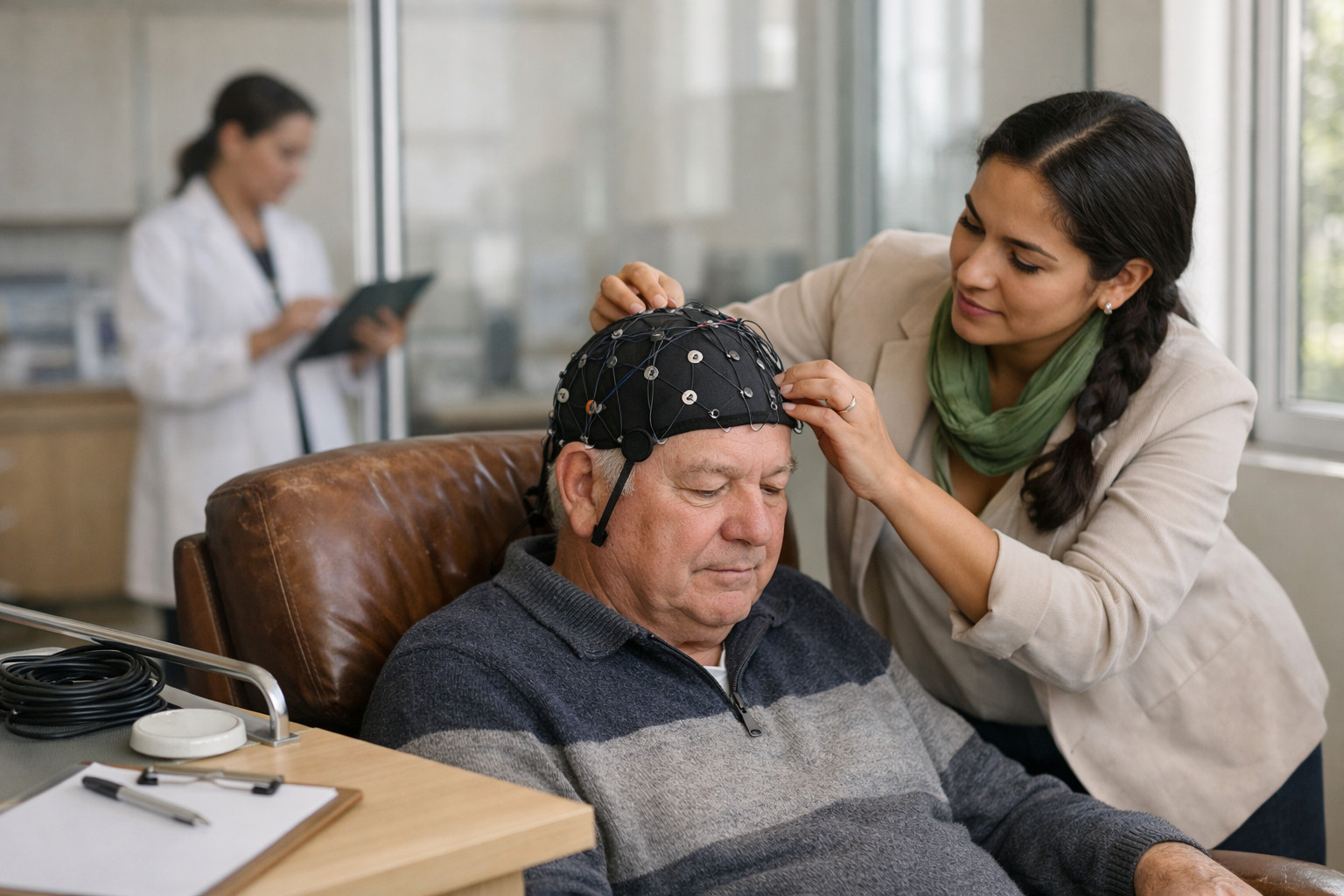
Brain Performance Technologies specializes in cutting-edge brain treatments. Our clinics in San Jose, Las Vegas, and Sacramento employ innovative therapies like TMS, MeRT, EEG, and EKG. These locations serve as hubs of advanced mental health care and reflect the strength of brain performance technologies in san jose as well as our other regions.
Our expert staff is dedicated to patient-centered care. They customize treatment protocols to ensure the best outcomes. This personalized approach helps meet the unique needs of every patient.
Our services focus on conditions such as depression, anxiety, and PTSD. We also address neurodevelopmental disorders like ADHD and autism. Our goal is to help patients achieve lasting recovery through evidence-based treatments.
Key offerings at our clinics include:
- TMS Therapy: Non-invasive and FDA-approved for depression.
- MeRT Protocols: Personalized treatments using brainwave analysis.
- Comprehensive Evaluations: Use of EEG and EKG for detailed diagnostics.
With a commitment to advancing mental health, Brain Performance Technologies remains at the forefront of brain health solutions. Our dedicated approach helps patients lead healthier, more fulfilled lives.
Future Directions: Innovations and Ongoing Research in TMS
The field of transcranial magnetic stimulation (TMS) is expanding rapidly. Exciting innovations continue to emerge. Researchers are exploring new protocols to enhance TMS efficacy.
Current studies focus on personalized TMS approaches. Tailoring treatments to individual brain patterns may improve outcomes. This research holds promise for complex conditions like PTSD and OCD.
There is a growing interest in multi-modal therapies. Combining TMS with other treatments, such as pharmacotherapy, could maximize benefits. These integrated approaches are being rigorously tested.
Key areas of TMS research include:
- Neuroplasticity Enhancement: Modifying brain connectivity for long-term effects.
- Deep TMS (dTMS): Targeting deeper brain structures for expanded treatment options.
- Neurocognitive Effects: Investigating cognitive improvements post-TMS.
Overall, TMS research seeks to broaden its therapeutic scope. As understanding deepens, TMS could revolutionize how we approach mental health disorders. Continuous exploration holds great promise for future applications and success rates.
Conclusion: Is TMS the Right Choice for You or Your Patients?
Transcranial Magnetic Stimulation (TMS) is a non-invasive treatment. It offers hope for individuals with treatment-resistant depression and other mental health conditions. With ongoing advancements, TMS is becoming increasingly effective.
Evaluating the suitability of TMS requires considering several factors. Patients should assess their specific condition and previous treatment responses. Consulting with a healthcare provider can clarify whether TMS aligns with their needs.
For clinicians, offering TMS broadens therapeutic options. It may complement existing treatment plans well. In practice, TMS can address complex cases, providing relief where traditional methods fall short.
Key considerations for choosing TMS include:
- Treatment history: Previous failures with conventional therapies.
- Condition type: Suitability for specific psychiatric disorders.
- Medical evaluation: Comprehensive assessment by qualified professionals.
In summary, TMS represents a promising option for both patients and healthcare providers. As research and technology advance, TMS could transform mental health treatment landscapes, fostering improved patient outcomes.
References
George, M. S., Lisanby, S. H., Avery, D., McDonald, W. M., Durkalski, V., Pavlicova, M., Anderson, B., Nahas, Z., Bulow, P., Zarkowski, P., Holtzheimer, P. E., Schwartz, T., & Sackeim, H. A. (2010). Daily left prefrontal transcranial magnetic stimulation therapy for major depressive disorder: A sham-controlled randomized trial. Archives of General Psychiatry, 67(5), 507–516. https://doi.org/10.1001/archgenpsychiatry.2010.46
Gaynes, B. N., Lloyd, S. W., Lux, L., Gartlehner, G., Hansen, R. A., Janie, E., Thieda, P., Whitener, L., Lohr, K. N., & Meltzer-Brody, S. E. (2014). Repetitive transcranial magnetic stimulation for treatment-resistant depression: A systematic review and meta-analysis. Journal of Clinical Psychiatry, 75(5), 477–489. https://doi.org/10.4088/JCP.13r08815
Janicak, P. G., O’Reardon, J. P., Sampson, S. M., Husain, M. M., Lisanby, S. H., Rado, J. T., Heart, K. L., & Demitrack, M. A. (2008). Transcranial magnetic stimulation in the treatment of major depressive disorder: A comprehensive summary of safety experience from acute exposure, current findings, and guidelines. Journal of Clinical Psychiatry, 69(2), 222–232. https://doi.org/10.4088/JCP.v69n0208
Muller, D. J., Schulze, T. G., & Kraus, T. (2018). Transcranial magnetic stimulation (TMS) versus electroconvulsive therapy (ECT) in severe depression: A meta-analysis of comparative studies. Journal of Psychiatric Research, 102, 131–139. https://doi.org/10.1016/j.jpsychires.2018.03.018
O’Reardon, J. P., Solvason, H. B., Janicak, P. G., Sampson, S., Isenberg, K. E., Nahas, Z., McDonald, W. M., Avery, D., Fitzgerald, P. B., Loo, C., Demitrack, M. A., George, M. S., & Sackeim, H. A. (2007). Efficacy and safety of transcranial magnetic stimulation in the acute treatment of major depression: A multisite randomized controlled trial. Biological Psychiatry, 62(11), 1208–1216. https://doi.org/10.1016/j.biopsych.2007.01.018
Perera, T., George, M. S., Grammer, G., Janicak, P. G., Pascual-Leone, A., & Wirecki, T. S. (2016). The Clinical TMS Society consensus review and treatment recommendations for magnetic seizure therapy. Brain Stimulation, 9(3), 336–354. https://doi.org/10.1016/j.brs.2016.03.001