Understanding the nuances between bipolar depression and regular depression is crucial for effective treatment. Both conditions share some symptoms, but they are distinct in their manifestations and impacts.
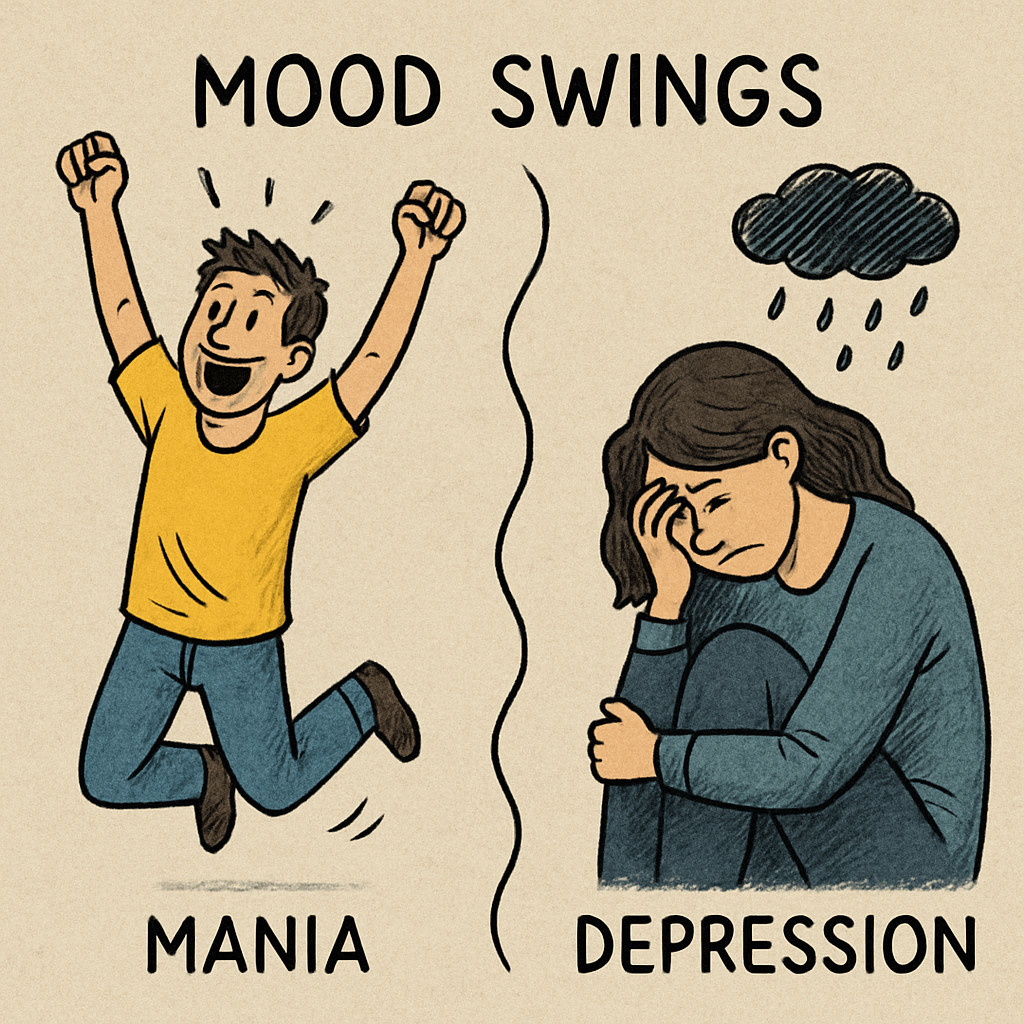
Bipolar disorder, often referred to as manic depression, involves mood swings that include emotional highs and lows. These mood swings can affect sleep, energy, activity, judgment, behavior, and the ability to think clearly.
Major depression, also known as regular depression, is characterized by constant sadness. It can also involve a lack of interest in things around you. It can lead to a variety of emotional and physical problems.
Recognizing the differences between these disorders is essential for healthcare providers. It helps in tailoring treatment plans that address the specific needs of each patient.
For patients, understanding these differences can lead to better self-awareness and management of their condition. It can also guide them in seeking appropriate help and support.
Mental health counselors and pediatricians play a vital role in diagnosing and managing these conditions. They need to stay informed about the latest treatment options and guidelines.
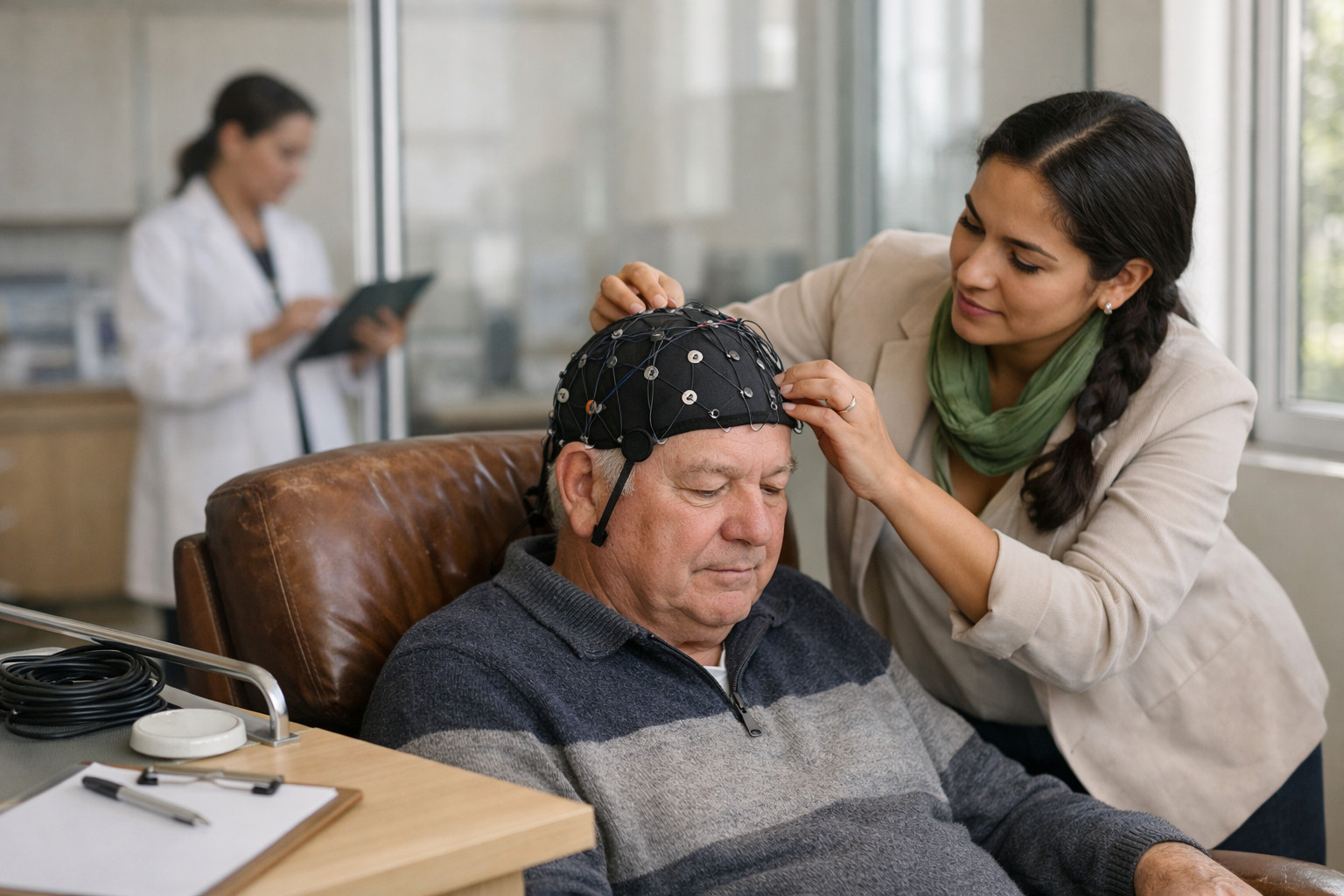
At Brain Performance Technologies Clinic, we offer innovative therapies like TMS and MeRT. These treatments are designed to provide relief for those suffering from mood disorders.
Our goal is to improve patient outcomes through personalized and non-invasive approaches. We are committed to advancing knowledge and treatment options in the field of brain health.
This article will explore the symptoms, differences, and treatment options for bipolar and regular depression. It aims to provide valuable insights for patients, healthcare providers, and mental health professionals.
By understanding these conditions better, we can work towards more effective management and support.
Understanding Mood Disorders: Major Depression and Bipolar Disorder
Mood disorders encompass a wide range of mental health conditions. Major depression and bipolar disorder are among the most common.
Major depression, also known as unipolar depression, involves persistent feelings of sadness and a lack of interest in activities. It affects daily functioning and quality of life.
Bipolar disorder, on the other hand, is characterized by episodes of mania or hypomania interspersed with depressive episodes. These mood changes can be swift and vary in intensity.
Key Features:
- Major Depression:
- Persistent low mood
- Lack of interest in activities
- Sleep disturbances
- Bipolar Disorder:
- Manic and hypomanic episodes
- Periods of high energy
- Alternating depressive symptoms
Understanding these conditions requires recognizing both the symptoms and their impacts on daily life. Major depression usually manifests as a constant feeling of sadness. This can be debilitating, often requiring a combination of therapy and medication for management.
Bipolar disorder, with its alternating mood states, presents unique challenges. During manic phases, individuals may experience heightened energy, euphoria, or irritability. This can lead to impulsivity and erratic behavior.
An accurate diagnosis is crucial for effective treatment. Misdiagnosing one disorder for the other can delay appropriate interventions.
Clinicians must consider the duration, frequency, and nature of mood episodes when evaluating patients. This ensures tailored treatment plans that address each individual’s specific needs.
By educating ourselves about these mood disorders, we promote better understanding and empathy. This knowledge is essential for providing appropriate care and support to those affected.
What Is Major Depression?
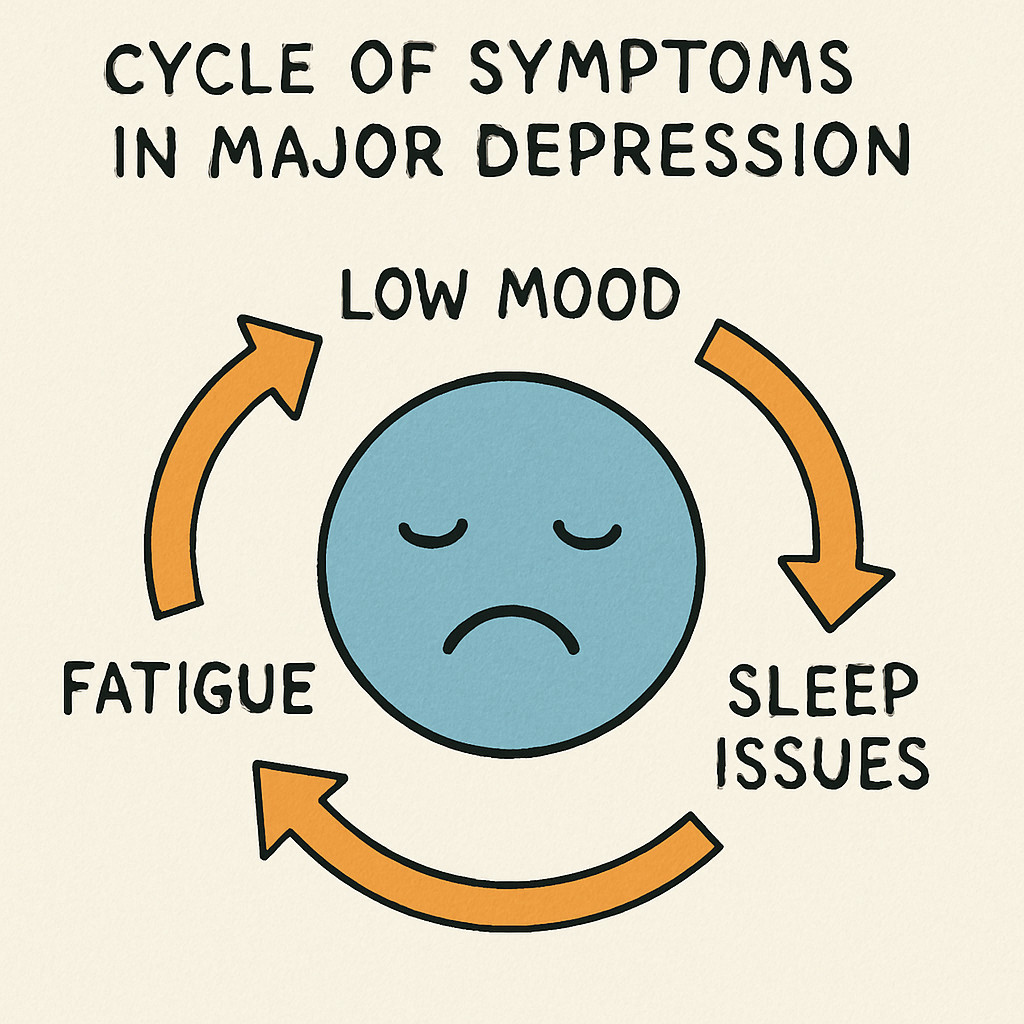
Major depression, also known as clinical depression, profoundly affects one’s mood and daily activities. This condition involves persistent feelings of sadness lasting for at least two weeks. It isn’t just a temporary bout of “the blues.”
Those with major depression often experience a range of symptoms beyond just sadness. They may face overwhelming fatigue, making even simple tasks challenging.
Common symptoms include:
- Feelings of worthlessness or guilt
- Difficulty concentrating
- Sleep disturbances, either insomnia or excessive sleeping
- Changes in appetite, leading to weight loss or gain
- Thoughts of death or suicide
These symptoms significantly impact an individual’s ability to function in day-to-day life. Relationships may suffer, and work productivity often declines.
It’s important to understand that major depression affects people differently. While some might exhibit all symptoms, others might only show a few. This diversity underscores the need for a personalized approach to treatment.
Diagnosis involves a comprehensive evaluation by a mental health professional. They will consider symptom history, family background, and lifestyle factors. Accurate diagnosis is crucial for effective treatment, typically including therapy and medication.
Understanding major depression involves recognizing its profound impact on mental and physical well-being. Awareness and empathy can aid in supporting those affected. By acknowledging the seriousness of this condition, we can better assist those striving for recovery.
What Is Bipolar Disorder?
Bipolar disorder, formerly known as manic depression, involves dramatic mood swings. These swings range between depressive and manic or hypomanic episodes. Unlike major depression, bipolar disorder includes periods of elevated energy.
During manic episodes, individuals may feel euphoric, exceptionally energetic, or unusually irritable. This phase often leads to impulsive decisions and risky behaviors. Conversely, depressive episodes mirror symptoms of major depression.
Key characteristics of bipolar disorder include:
- Fluctuations between high-energy and depressive states
- Changes in sleep patterns and activity levels
- Difficulty maintaining stable relationships and employment

The transition between mood states can occur unexpectedly. In some individuals, episodes happen frequently and unpredictably. For others, mood changes are more spaced out over time.
There are several types of bipolar disorder, each with unique patterns and symptoms. Bipolar I involves more severe manic episodes, while Bipolar II features less intense hypomanic episodes. Cyclothymic disorder includes numerous periods of hypomanic and depressive symptoms.
Diagnosis of bipolar disorder requires careful assessment by a mental health professional. It includes evaluating symptom patterns, mood history, and family background. The complexity of bipolar disorder can make diagnosis challenging. However, understanding these nuances is essential for effective management. Treatment often combines medication with psychotherapy to stabilize mood swings and improve life quality.
By recognizing bipolar disorder’s distinctive features, we can better support those living with this condition. Educating ourselves on these variations is crucial for empathy and effective intervention.
Key Differences: Bipolar Depression vs. Regular Depression
Understanding the differences between bipolar depression and regular depression is crucial for accurate diagnosis and treatment. Although both involve depressive episodes, they manifest differently over time.
Bipolar Depression:
- Accompanied by manic or hypomanic episodes
- Sudden energy bursts during high phases
- Irritability and risk-taking behaviors
In bipolar depression, mood swings occur between depressive lows and manic highs. These highs can include heightened energy, confidence, and unusual elation, sometimes to the point of recklessness. During depressive phases, individuals experience symptoms like sadness and low energy.
Regular depression, or major depressive disorder, lacks these manic episodes. It is characterized by a consistent downward mood trend without sudden peaks of energy or impulsivity.
Regular Depression:
- Consistent low mood without mood elevation
- Persistent feelings of hopelessness
- No periods of high energy or mania
Both conditions can seriously impact daily functioning. However, the presence of manic or hypomanic episodes is a key differentiator for bipolar disorder. Identifying these episodes is vital for directing appropriate treatment efforts.
Another difference lies in treatment approaches. While antidepressants are often beneficial in treating major depression, they may not be suitable for bipolar disorder. In fact, some medications can trigger manic episodes in individuals with bipolar disorder.
Unique Challenges of Each Disorder:
- Bipolar disorder involves mood stability and medication management
- Major depression requires continuous mood and symptom monitoring
Not all symptoms clearly distinguish one condition from another, making professional evaluation critical. Attention to personal history, mood patterns, and behavioral changes are crucial aspects of diagnosis.
Recognizing these differences ensures individuals receive tailored support and care. Accurate identification of the mood disorder’s nature leads to more effective treatment planning. Empowerment through understanding is a significant step toward managing mental health.
Symptoms of Major Depression
Major depression, a prevalent mental health condition, affects millions worldwide. Recognizing its symptoms can aid early intervention and improve outcomes.
Common symptoms include prolonged sadness and a sense of hopelessness. These feelings can lead to a lack of interest in activities once enjoyed. This loss of interest is known as anhedonia.
Fatigue is another hallmark of major depression. Individuals often describe feeling drained, even without physical exertion. This overwhelming tiredness can exacerbate other symptoms, like irritability.

Sleep disturbances are widespread among those with major depression. Some individuals suffer insomnia, while others find themselves sleeping too much.
Physical symptoms are not uncommon and include changes in appetite or weight. Some might eat more, while others lose their appetite entirely. Concentration issues may also arise, hampering decision-making and reducing cognitive abilities.
Key Symptoms of Major Depression:
- Prolonged sadness or low mood
- Loss of interest or pleasure in activities
- Persistent fatigue and loss of energy
- Sleep disturbances (insomnia or hypersomnia)
- Changes in appetite or weight
- Difficulty concentrating or making decisions
Feelings of worthlessness or excessive guilt often accompany major depression. These thoughts can spiral into suicidal ideation, a dangerous escalation that requires immediate attention.
Understanding these symptoms is essential not only for those experiencing them but also for their loved ones. Early recognition and professional help can significantly improve the quality of life.
It’s vital to consult healthcare providers if any of these symptoms persist. Timely intervention can lead to effective treatment plans tailored to individual needs. With proper management, individuals suffering from major depression can regain control over their lives.
Symptoms of Bipolar Depression
Bipolar depression presents unique challenges, distinct from major depression. Understanding its symptoms is crucial for accurate diagnosis.
Individuals with bipolar depression experience mood swings. These cycles alternate between depressive and manic phases. The depressive episodes in bipolar disorder share similarities with major depression.

During depressive episodes, feelings of deep sadness prevail. This emotional state significantly impacts daily functioning. Activities once pleasurable can become burdensome.
Energy levels during bipolar depression often plummet. This fatigue can make simple tasks feel overwhelming. Individuals may also experience sleep disruptions.
Anxiety is another common feature of bipolar depression. Coupled with irritability, it can exacerbate mood instability. Recognizing these symptoms is vital for proper management.
Core Symptoms of Bipolar Depression:
- Persistent sadness or hopelessness
- Loss of interest or pleasure in activities
- Significant decrease in energy
- Changes in sleep patterns (insomnia or excessive sleeping)
- Anxiety and irritability
Additional Symptoms Include:
- Difficulty concentrating or making decisions
- Restlessness or agitation
- Feelings of worthlessness or excessive guilt
Unlike major depression, bipolar depression includes a risk of manic or hypomanic episodes. These episodes are characterized by heightened energy and agitation. The transition from depression to mania can be rapid and unpredictable.
Understanding bipolar depression’s complexity requires awareness of these nuanced symptoms. Treatment often involves addressing both depressive and manic phases. Early detection and intervention can significantly enhance quality of life.
Professional guidance is crucial for individuals experiencing these symptoms. Tailored treatment plans can effectively manage mood swings. With the right support, individuals with bipolar depression can lead fulfilling lives.
Manic and Hypomanic Episodes: The Hallmark of Bipolar Disorder
Bipolar disorder is characterized by manic and hypomanic episodes. These episodes differentiate it from major depression. Recognizing these states is crucial for diagnosis.
Manic episodes involve elevated or irritable moods. Individuals may exhibit increased energy and activity levels. This can lead to impulsive or high-risk behaviors.
During a manic phase, individuals might feel unusually elated. Self-esteem can surge to unrealistic levels. There may also be a decreased need for sleep.

Hypomanic episodes are less intense than full mania. However, they still represent a marked shift from normal behavior. These episodes may also lead to increased productivity.
Common Signs of Mania and Hypomania:
- Inflated self-esteem or grandiosity
- Rapid, pressured speech
- Racing thoughts or flight of ideas
- Distractibility and difficulty maintaining focus
Additional Symptoms Might Include:
- Excessive involvement in pleasurable or risky activities
- Increased goal-directed activities (e.g., work or projects)
- Engaging in social activities more than usual
Manic episodes can be more severe, sometimes requiring hospitalization. These episodes can lead to significant impairment. Conversely, hypomanic episodes may appear beneficial due to increased productivity.
Early identification of manic symptoms is important. It can prevent destructive behaviors associated with mania. Understanding the distinct characteristics of these episodes aids in differentiating bipolar disorder from other mood disorders.
Managing manic and hypomanic episodes is critical for bipolar disorder treatment. Treatment usually involves a combination of medication and therapy. Proper intervention can balance mood swings, helping patients maintain stability.
For caregivers and loved ones, understanding these episodes is vital. Awareness and education empower them to offer effective support. Seeking professional help ensures the best outcomes for individuals with bipolar disorder.
Overlapping Symptoms and Diagnostic Challenges
Distinguishing between major depression and bipolar disorder can be challenging. This complexity is due to overlapping symptoms. Many people with bipolar disorder first present with depressive episodes.
Symptoms like persistent sadness are common in both conditions. Changes in appetite or sleep disturbances also overlap. These shared characteristics complicate diagnosis for clinicians.
Accurate diagnosis relies on identifying unique symptoms. Manic or hypomanic episodes are key indicators of bipolar disorder. However, these are not always evident in initial evaluations.
Factors Contributing to Diagnostic Challenges:
- Similar depressive symptoms in both disorders
- Lack of visible manic or hypomanic episodes early on
- Underreporting or misinterpretation of manic symptoms by patients
Timely and precise diagnosis is critical for effective treatment. Misdiagnosis may lead to inappropriate medication regimens. For instance, prescribing antidepressants without mood stabilizers in bipolar patients may induce mania.
Regular monitoring and comprehensive assessments improve diagnostic accuracy. Clinicians may utilize patient history and symptom tracking. This practice ensures a more nuanced understanding of individual cases.
Ultimately, understanding the subtle distinctions between these conditions enhances treatment pathways. Patients receive better care and a higher quality of life. Practitioners can better tailor interventions with accurate diagnoses.
Bipolar Depression Symptoms in Females and Special Populations
Bipolar depression affects individuals differently based on gender and unique personal characteristics. In females, hormonal fluctuations can influence mood changes significantly. This may lead to an increase in depressive episodes around menstrual cycles, pregnancy, or menopause.
Certain symptoms are more commonly observed in females with bipolar disorder. These include rapid cycling and mixed episodes. These patterns can complicate the understanding of the condition.
Common Bipolar Depression Symptoms in Females:
- Intense fatigue
- Emotional sensitivity
- Anxiety or irritability
- Irregular sleep patterns
Special populations, such as adolescents and older adults, may also present unique challenges. In teens, mood swings could be mistaken for normal developmental changes. Early identification helps in managing the disorder effectively.
Older adults might experience mood alterations mistaken for cognitive decline. This confusion can delay appropriate treatment. Tailored assessments for this group are crucial for accurate diagnosis.

Healthcare providers must consider these variations when evaluating patients. By understanding the specific presentation of symptoms, practitioners can better address individual needs. A personalized approach to treatment can substantially improve patient outcomes.
Cultural factors and individual life experiences also impact symptoms and treatment success. Culturally competent care can bridge gaps in healthcare delivery for these diverse groups. Addressing these differences is essential for optimizing recovery.
Bipolar Depression and Anxiety: The Connection
Bipolar depression and anxiety disorders often coexist, affecting treatment approaches and outcomes. Understanding this connection is vital for tailored care.
Anxiety can present both in depressive and manic phases. It frequently appears as intense worry, restlessness, or panic attacks. These symptoms can complicate bipolar disorder.
Managing anxiety is crucial for stabilizing mood states in individuals with bipolar depression. Patients often experience increased irritability and emotional turmoil. The overlap can exacerbate the condition, complicating the diagnosis.
Common Symptoms of Anxiety in Bipolar Depression:
- Constant worry or unease
- Panic attacks
- Irritability
- Restlessness or insomnia
Treatment plans should address both mood and anxiety symptoms for optimal results. Cognitive-behavioral therapy and specific medications can be beneficial. Holistic approaches like mindfulness and relaxation techniques may also improve patient well-being.
By recognizing the prevalence of anxiety in bipolar depression, healthcare providers can better support affected individuals. Focusing on both aspects of the disorder ensures comprehensive care. Tailored interventions can lead to improved life quality and symptom management.
You may be interested in: Test Your Knowledge: Bipolar Disorder Quiz
Manic Depression Panic Attacks and Irritability
Manic depression, or bipolar disorder, frequently involves intense mood fluctuations. These changes can lead to both panic attacks and heightened irritability.
Panic attacks during bipolar episodes are severe and can arise suddenly. They involve symptoms like heart palpitations, sweating, and overwhelming fear. Panic attacks can be debilitating, impacting daily function.
Heightened irritability often accompanies manic phases, manifesting as impatience or anger. This symptom may lead to conflicts in relationships and affect work performance.
Common Features of Manic Episodes:
- Rapid speech and racing thoughts
- Impulsive behavior
- Decreased need for sleep
Managing these symptoms requires a nuanced approach. Psychotherapy, particularly cognitive-behavioral therapy, can be effective for coping strategies. Medications to stabilize mood also play a critical role in treatment.
Ultimately, awareness of the link between manic symptoms and emotional distress aids in managing bipolar disorder effectively. Understanding these dynamics allows tailored interventions to better address the complexities of the condition.
How to Help: Supporting Someone with Bipolar or Major Depression
Supporting a loved one with bipolar or major depression can be challenging yet rewarding. Understanding their emotional and psychological needs is crucial. It’s important to listen without judgment and offer empathy.
Key Actions to Offer Support:
- Educate yourself about the disorder
- Encourage professional help
- Be patient and understanding
Encouraging adherence to treatment plans can significantly aid recovery. Discussing therapy and medications positively encourages compliance. Offering to accompany them to doctor visits shows your support.
Creating a stable environment for someone facing these challenges is vital. This includes promoting a routine that includes regular sleep and healthy habits. Being consistent with your presence is also crucial.
Do’s and Don’ts When Providing Support:
- Do: Offer help with daily tasks
- Don’t: Minimize their feelings
- Do: Encourage self-care practices
- Don’t: Pressure them to “snap out of it”
Remember, taking care of your mental health is important, too. Ensuring you have support mechanisms in place will allow you to be more effective in helping others. Connecting with support groups or a mental health counselor can provide guidance and emotional relief.
Treatment Options: From Medication to Brain Performance Technologies
When addressing bipolar or major depression, treatment options range from traditional medications to advanced brain performance technologies. The choice depends on individual symptoms and severity.
Medication remains a cornerstone of treatment. Commonly prescribed medications include mood stabilizers, antidepressants, and antipsychotics. These help manage symptoms and prevent mood episodes.
Psychotherapy, such as cognitive behavioral therapy (CBT), plays a significant role. Therapy helps patients develop coping skills and manage their conditions effectively. It offers a safe space for expression and understanding.
Traditional Treatment Avenues:
- Medications: Mood stabilizers, antidepressants
- Psychotherapy: CBT, interpersonal therapy
Emerging brain performance technologies offer non-invasive alternatives. Transcranial Magnetic Stimulation (TMS) and Magnetic e-Resonance Therapy (MeRT) are promising. They target specific brain areas to improve mood and cognition.
Innovative Technologies:
- TMS: Targets specific brain regions
- MeRT: Customizes magnetic resonance parameters
Integrating these therapies is vital for a holistic approach. Combining medication with advanced technologies can enhance outcomes. It provides a path for those who haven’t responded to conventional treatments.
At Brain Performance Technologies Clinic, we offer a range of options. Our goal is to personalize treatment plans to meet unique needs. This ensures a comprehensive approach to mental health recovery.

Innovative Therapies: TMS, MeRT, EEG, and EKG
Innovative brain therapies continue to evolve, providing hope for those with complex mood disorders like bipolar depression. Emerging technologies such as TMS, MeRT, EEG, and EKG are at the forefront of this advancement.
Transcranial Magnetic Stimulation (TMS) uses electromagnetic fields. It targets specific brain areas involved in mood regulation. TMS is particularly beneficial for treatment-resistant depression.
Magnetic e-Resonance Therapy (MeRT) customizes the approach further. It tailors magnetic stimulation based on detailed EEG data. This precision can yield more effective outcomes by aligning treatment with individual brain patterns.
Also read: Evaluating MERT Therapy Costs Against Alternative Treatments
Key Benefits of TMS and MeRT:
- Non-invasive and painless
- Tailored to individual brain activity
- Effective for treatment-resistant cases
Electroencephalogram (EEG) and Electrocardiogram (EKG) play critical roles. EEG monitors brain wave activity to guide therapies like MeRT. EKG checks heart activity, ensuring safe therapy application.
Through EEG, clinicians can pinpoint deviations in brain activity. This data guides MeRT settings, enhancing targeting accuracy. EKG provides real-time cardiovascular insights, crucial for safe application.
Role of EEG and EKG:
- EEG: Monitors brain waves, customizes treatment
- EKG: Ensures cardiovascular safety during therapy
These advanced technologies offer a personalized, holistic approach. They integrate multiple physiological measures, leading to refined treatment plans. This multi-faceted approach is key in addressing complex mood disorders.
At Brain Performance Technologies Clinic, we embrace these innovations. Our dedication is to provide accessible, cutting-edge treatments. By tailoring approaches, we empower patients on their journey to recovery.
Related article: TMS vs ECT: Which is Right for You?
Resources for Bipolar Disorder and Major Depression
Navigating bipolar disorder and major depression can be daunting, but resources are available. Access to comprehensive support is crucial for managing these conditions effectively.
Online Resources:
These organizations offer extensive information. They provide educational materials, coping strategies, and connection to community support. Online platforms also facilitate virtual support groups, reducing isolation.
Support Networks:
- Local mental health clinics
- Counseling centers
Engage with local mental health services for personalized care. Many clinics provide counseling tailored to mood disorders. Establish a network with mental health professionals, peers, and family support.
Each resource adds to a toolkit for managing life with these disorders. They empower individuals to navigate their challenges and find the right path to stability. Continuously explore and utilize these options for ongoing support.
When to Seek Help: Hotlines, Support Groups, and Emergency Resources
Recognizing when to seek professional help is vital for managing bipolar disorder and depression. Timely intervention can prevent symptoms from worsening and provide crucial support.
Indicators for Seeking Help:
- Persistent mood changes
- Disruptions in daily functions
- Thoughts of self-harm
Should these signs emerge, consider reaching out for assistance. Various resources are accessible to guide you through these challenging times.
Emergency Hotlines and Support Groups:
- National Suicide Prevention Lifeline: 1-800-273-TALK (1-800-273-8255)
- Crisis Text Line: Text “HELLO” to 741741
These hotlines offer immediate support from trained counselors. For ongoing, peer-based encouragement, consider connecting with local support groups. They provide a sense of belonging and shared understanding. Always prioritize reaching out whenever there’s a need for immediate or continuous help.
Conclusion: Moving Forward with Knowledge and Support
Understanding the nuances between bipolar depression and regular depression is crucial. It equips individuals and caretakers with the tools needed for effective management. Knowledge empowers informed decisions, improving outcomes significantly.
Support systems play an invaluable role in mental health journeys. Whether through professionals, family, or peers, having a network can transform the healing process. Open communication within these networks enhances care and alleviates feelings of isolation.
At Brain Performance Technologies Clinic, we advocate for continuous learning and compassionate support. Our commitment is to advance brain health using innovative therapies. As you move forward, remember that help is always available and seeking it is a sign of strength, not weakness.