Transitioning from Military
The inevitable truth about military life is that every person will transition out of it. Leaving the military, whether for medical reasons, retirement, or a planned exit, is an experience unique to everyone. Since there are many different styles of exits, no transition back into civilian life is going to look the same for everyone. Some may choose to gather their family and go on a vacation they always dreamed of, one may look to settle down in their dream home, and some may be trying to navigate severe post-traumatic stress disorder (PTSD). There is no quick or simple way of transitioning, but there are several resources and steps that could make it a little bit easier.
Personal Development
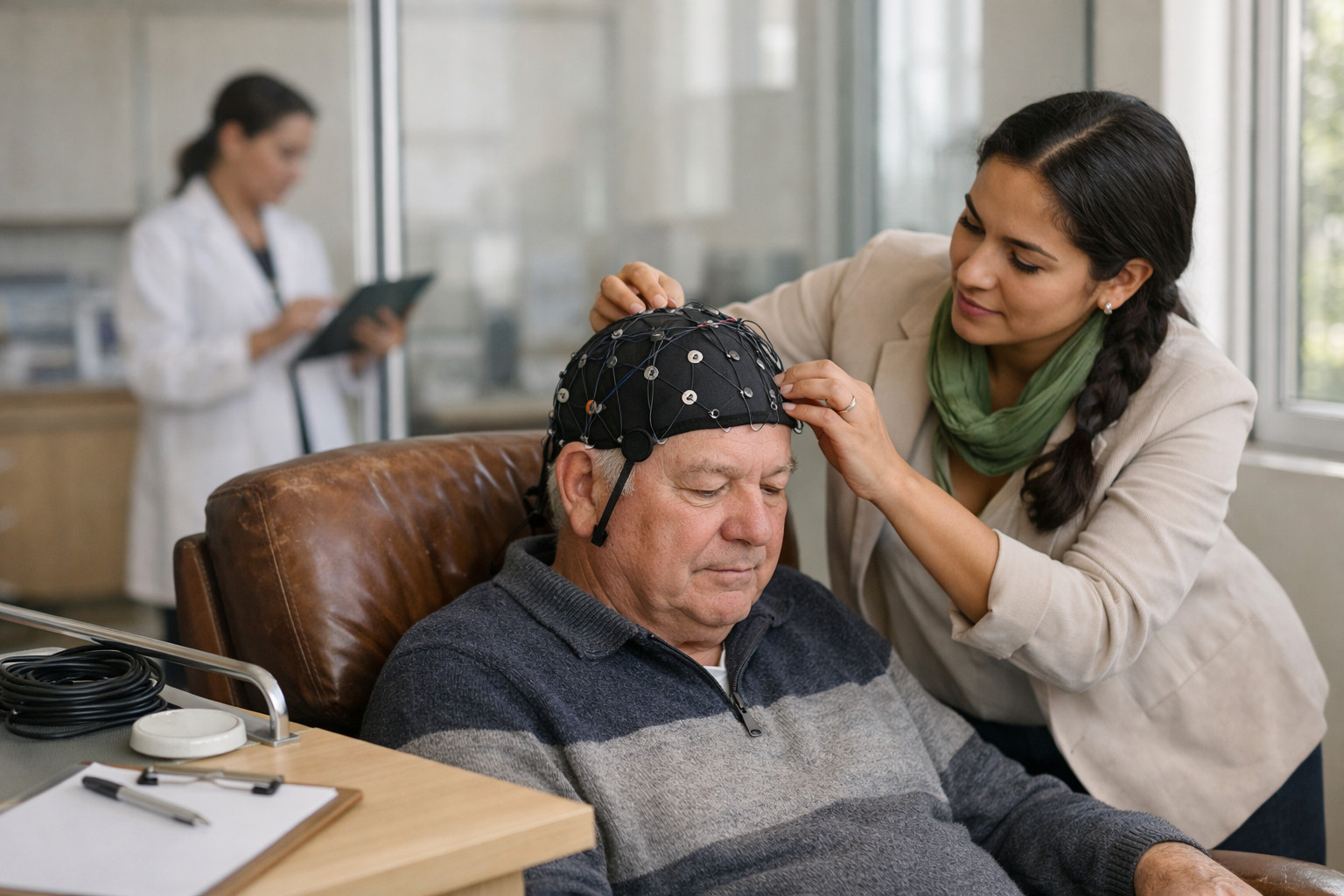
The transition from military service to civilian life can bring up an array of emotions. PTSD, depression, and anxiety are very common in military service men and women. A crucial aspect of transitioning back into civilian life begins with one’s mental health. Not only must one succumb to the stresses of the military, but there can be other big changes within families, such as moving to a new town or state, transitioning to a more normal family life, or even trying to craft a new career. There are many resources and treatments that can specifically help veterans who suffer from depression and other mental health illnesses including trauma-focused therapies, counseling services, psychotherapy, and medication. However, in recent years the use of technology and brain stimulation has become more recognized in treatment plans for veterans. Transcranial Magnetic Stimulation (TMS) is a form of brain stimulation that helps the parts of the brain that are not communicating as they should. A brain that is functioning optimally can lead to dramatic improvements and learning in all the traditional forms of therapy for depression and other mental illnesses in veterans. Research on TMS can be found here. Prioritizing mental well-being can help veterans soar in other aspects of their lives that are necessary for transitioning.
Career Development
Finding a job after military retirement may be more difficult than one may think. No matter the skills, determination, and resume a veteran may possess, a job is not solidified. However, there are many tips and tricks that can help make sure you’re fully equipped for job hunting. First, make sure that you get your Verification of Military Experience and Training (VMET). VMET provides employers with a history of all military training courses that you have completed and summarizes all of the skills and knowledge you possess. Also, having the ability to translate all your training and experience in a way that fits the mold of certain criteria for employment can help employers grasp how you would benefit their company. Secondly, take advantage of different resources and organizations that are designed to help. Some include, CareerOneStep, the DOL’s Transition Assistance Program, Soldier for Life, or the Military Officers Association of America. By putting yourself out there, whether that be by subscribing to internet jobsites like LinkedIn, Indeed, or Handshake, joining Facebook groups and other social media resources, or even going to job fairs, you are going to have the best chances of securing a job. Finally, take advantage of your status. You have chosen to serve your country; you have every right to take advantage of the resources and positions provided to you.
Insurance
Veterans are often at a greater risk of struggling financially due to several factors. For example, service-related injuries, a lack of financial experience, frequent moving, and inflation can all contribute to a veteran’s financial problem. According to the Census Bureau, it is estimated that 7.5% of veterans (approximately 1.2 million) in 2022 reported income below the poverty level. In efforts to lower this percentage, there are several veteran programs that work to provide coverage for veterans. Programs such as VA Health Care, The Civilian Health and Medical Program (CHAMPVA), Spina Bifida Health Care Benefits Program (SBHCBP), and TRICARE, all provide qualifying health coverage under the health care law. Although there is a lot more work that can be done to improve the percentage of veterans below the poverty line, these resources are here to help. It is very important to enroll in the program that works best for you and your family. At Brain Performance Technologies, we understand the unique challenges that military families face, especially in regard to mental health. We encourage you to explore the opportunities TRICARE and other programs present and to take proactive steps towards a happier and healthier life. You can learn more about how to enroll in TRICARE here and can follow our TMS Depression Treatment for Vets and Military Families Facebook group to learn more about TRICARE and Depression in Vets.