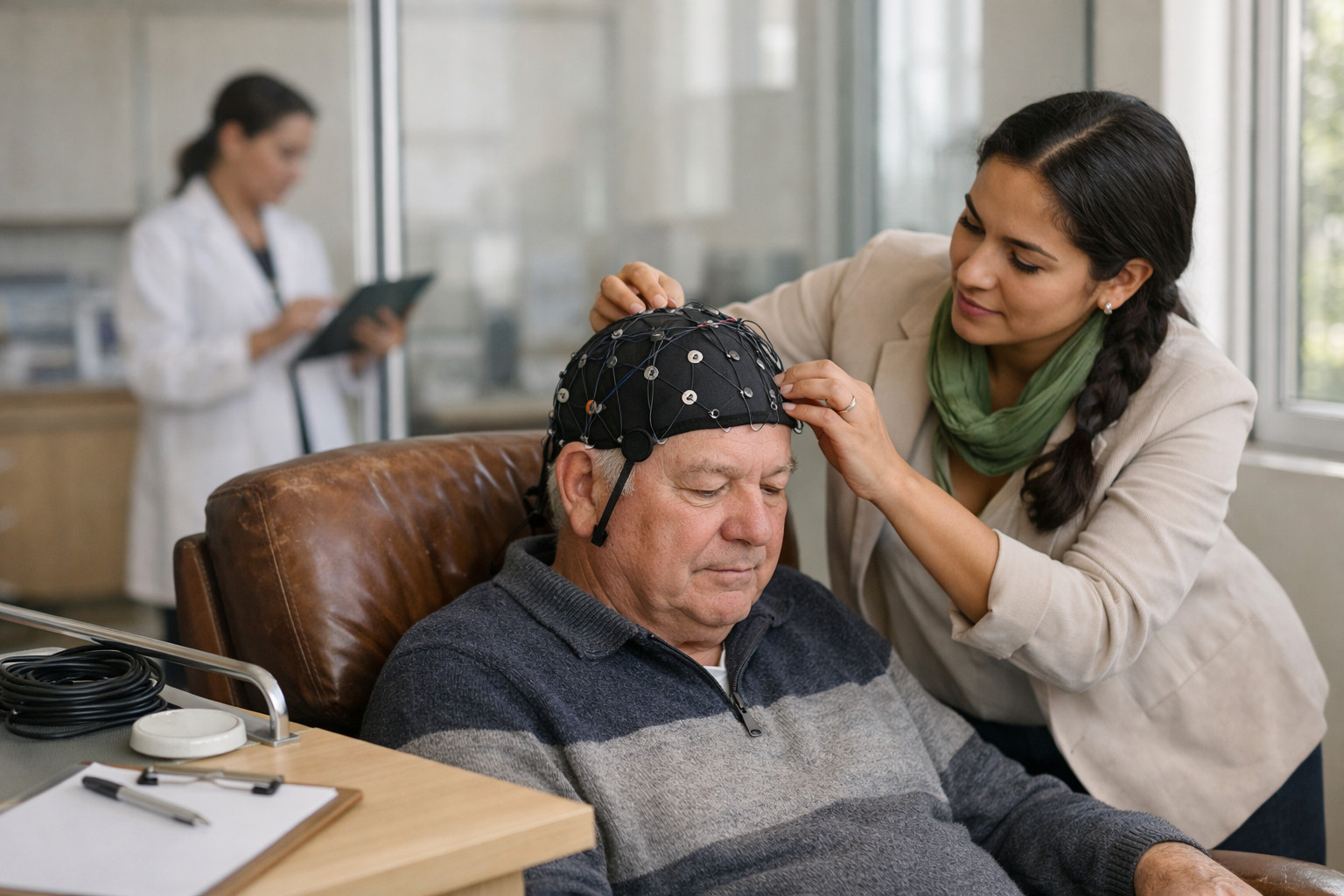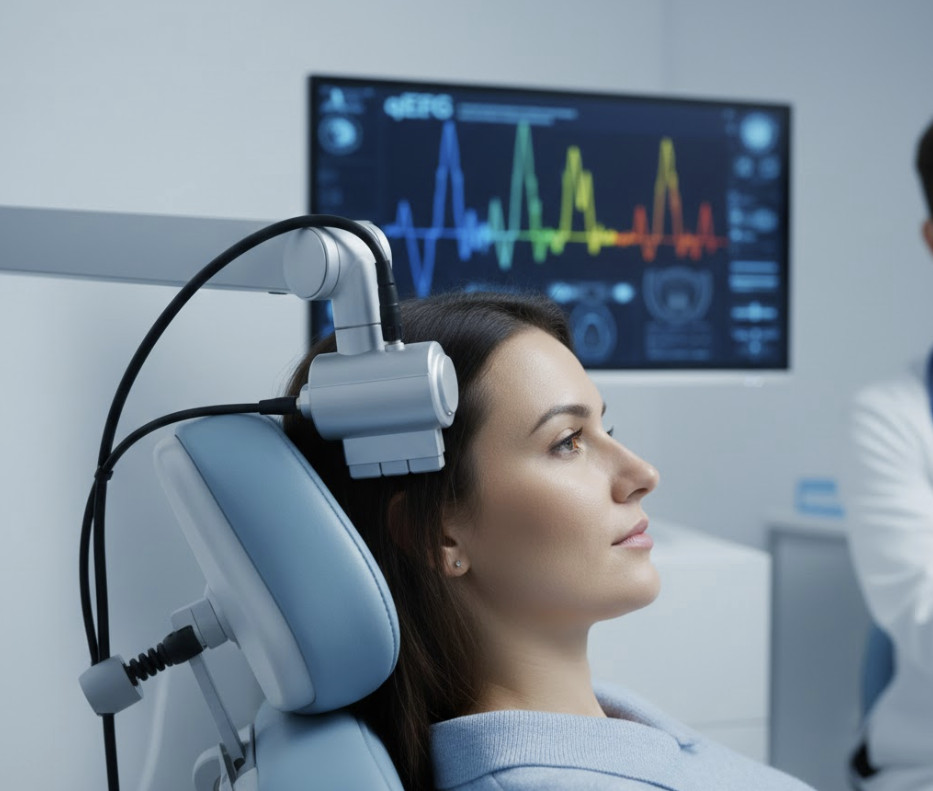
Magnetic e-Resonance Therapy (MERT) is a cutting-edge treatment gaining attention in the medical field. It offers a non-invasive approach to improving brain function and mental health.
MERT uses magnetic fields to stimulate brain activity, aiming to optimize brainwave patterns. This therapy is designed to enhance cognitive function and emotional well-being.
Patients with conditions like depression, PTSD, anxiety, and autism may benefit from MERT. It provides a personalized treatment plan tailored to each individual’s unique brainwave patterns.
The therapy is generally well-tolerated, with minimal side effects compared to traditional treatments. Patients often report improvements in mood, focus, and overall quality of life.
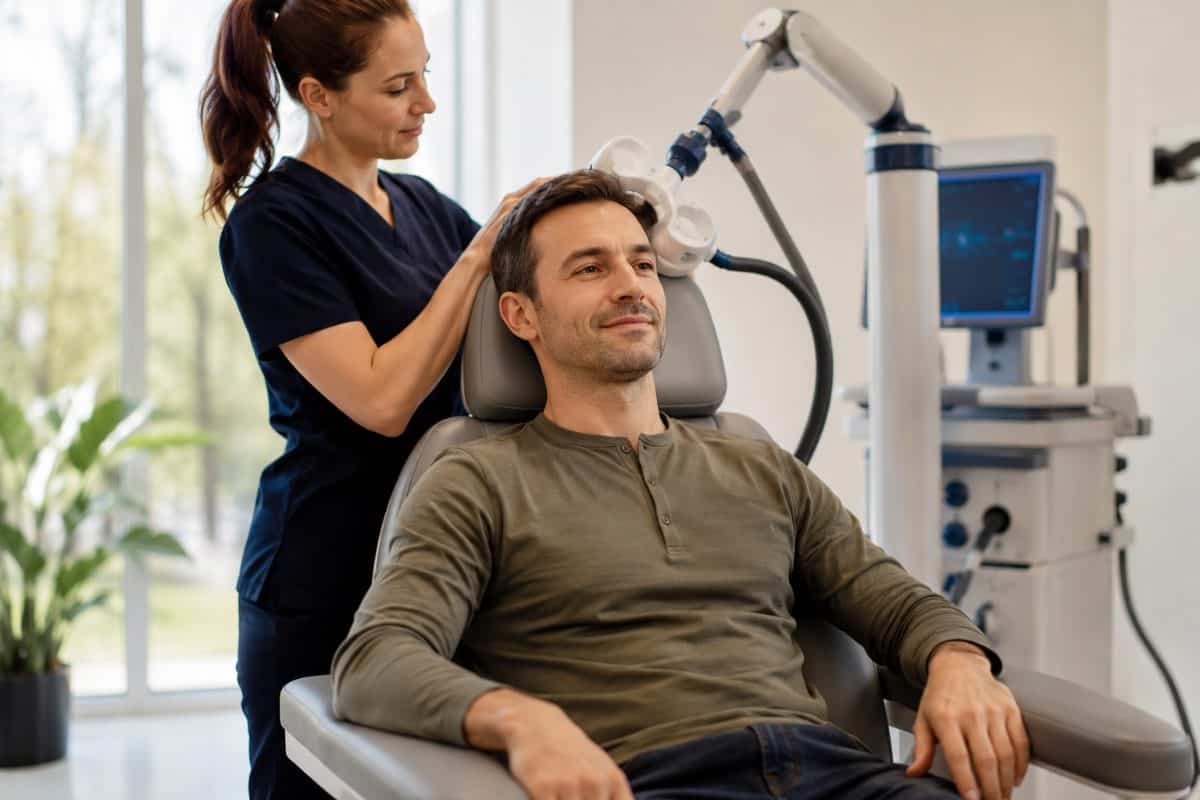
MERT is conducted in a clinical setting under the supervision of trained professionals. Sessions typically last 30-45 minutes and are spread over several weeks.
This therapy is based on neuromodulation principles, aiming to restore balance to brainwave activity. Studies have shown that MERT can lead to long-lasting improvements in brain function.
MERT is FDA-cleared for certain conditions, providing assurance regarding its safety and efficacy. It is distinct from traditional TMS due to its personalized approach.
The therapy’s non-invasive nature makes it an attractive option for those seeking alternatives to medication. MERT is gaining popularity as a cutting-edge treatment in neurology and psychiatry.
Patients often experience a cumulative effect, with benefits increasing over the course of treatment. MERT can be part of a comprehensive treatment plan, complementing other therapeutic interventions.
The technology behind MERT continues to evolve, with ongoing research into its applications and benefits. Patient testimonials and case studies highlight significant improvements in daily functioning and emotional well-being.
What is MERT Treatment?
Magnetic e-Resonance Therapy (MERT) is an advanced non-invasive therapy. It combines precise brain mapping with targeted magnetic stimulation. This approach aims to optimize brainwave activity and enhance mental health.
MERT utilizes individualized brainwave data to create specific treatment protocols. This personalization ensures a tailored approach, addressing each patient’s unique needs.
The therapy works by modulating neural activity. It employs magnetic pulses to stimulate targeted areas of the brain. This can help restore balance and improve overall brain function.
MERT stands out due to its focus on brainwave optimization. By adjusting abnormal brainwave patterns, it seeks to enhance cognitive and emotional well-being.
The treatment has shown promise across various conditions. Common applications include depression, anxiety, PTSD, and autism. MERT is also used for traumatic brain injuries and neurodevelopmental disorders.
Key features of MERT Treatment:
- Non-invasive: No need for surgery or drugs.
- Personalized: Tailored protocols based on individual brainwave patterns.
- Targeted: Focuses on specific brain regions.
- Minimal Side Effects: Generally well-tolerated by patients.
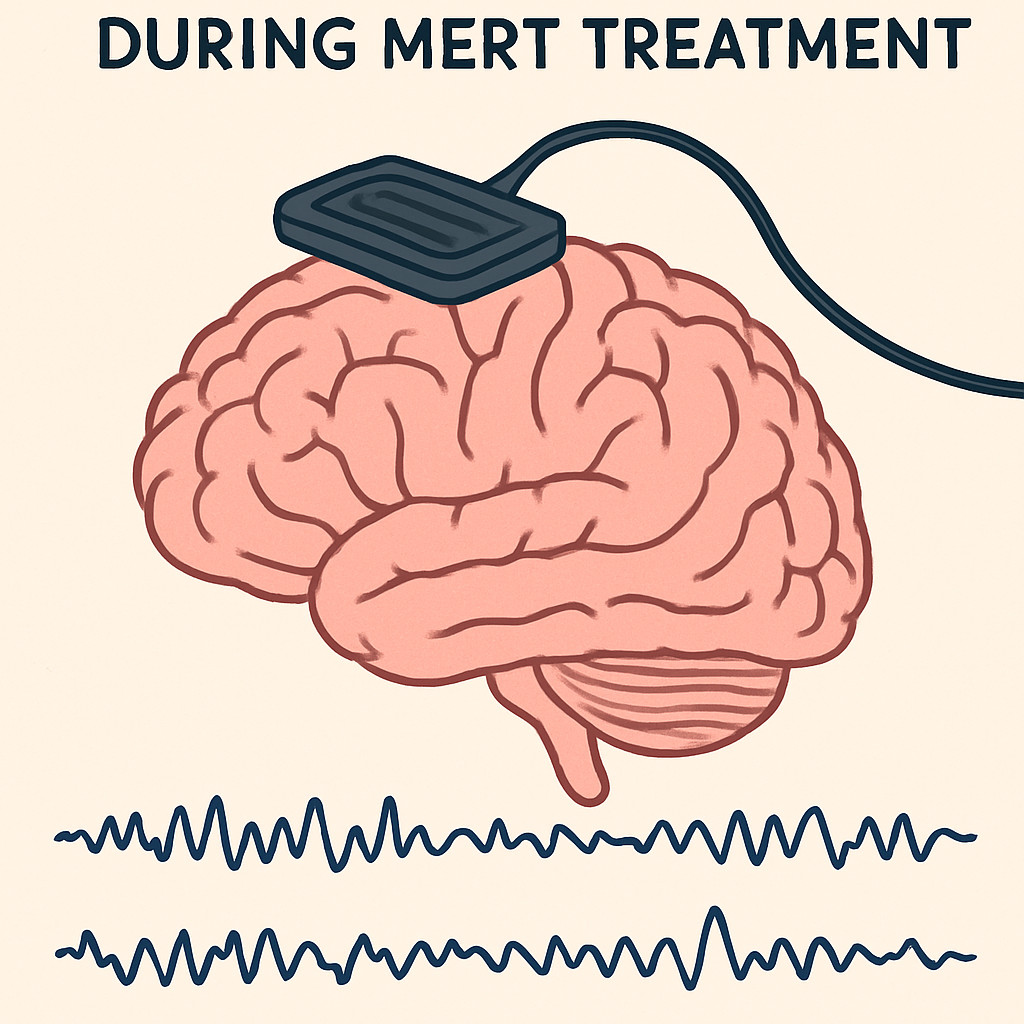
MERT differs from other neuromodulation therapies. Its personalized approach sets it apart from standard TMS methods. This makes it a promising option for those who have not responded to conventional treatments.
The therapy is administered in clinical settings. Here, trained professionals ensure safety and effectiveness throughout the process. Overall, MERT offers a novel avenue for enhancing brain health and improving mental resilience.
How MERT Works: The Science Behind the Therapy
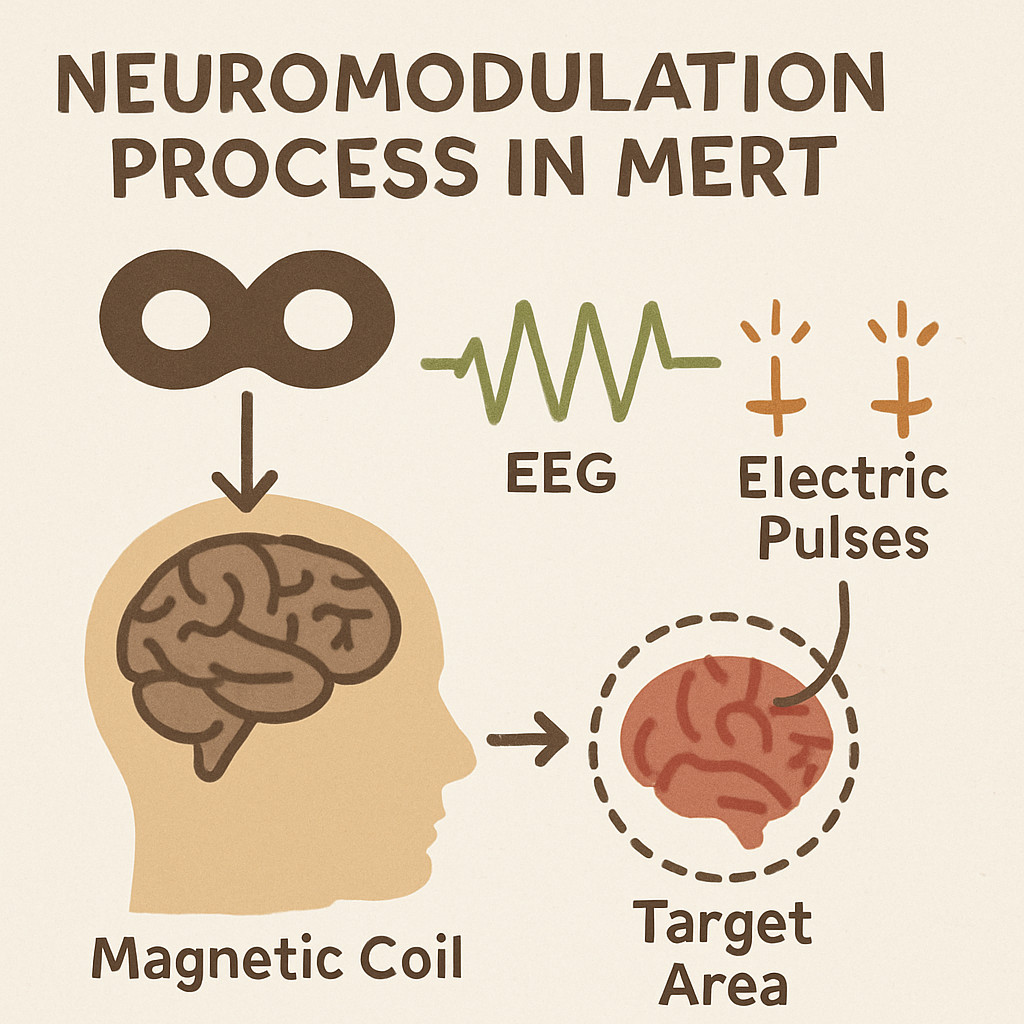
MERT leverages cutting-edge technology to address brain dysfunction. It uses magnetic fields to influence neural pathways. The goal is to improve overall brain health.
The process begins with an EEG assessment. This records the brain’s electrical activity. Data from this assessment forms the basis for personalized treatment protocols.
The therapy targets specific brain regions. These areas are identified based on the unique EEG data. By focusing on underactive or overactive areas, MERT aims to restore balance.
Magnetic coils are used during the sessions. These coils emit short magnetic pulses. This stimulation is designed to adjust abnormal brainwave patterns.
The science behind MERT is rooted in neuromodulation. Neuromodulation involves altering nerve activity through targeted delivery of stimuli. This concept underpins the effectiveness of the therapy.
Key scientific principles involved in MERT:
- Brainwave Assessment: Uses EEG to map individual brain activity.
- Targeted Stimulation: Directs magnetic pulses to specific regions.
- Personalization: Protocols are customized for each patient.
- Neuromodulation: Alters neural pathways to improve function.
Research supports MERT’s potential benefits. Studies have shown improvements in symptoms for various conditions. These include reductions in depression and anxiety levels.
The therapy’s ability to enhance neuroplasticity is notable. Neuroplasticity refers to the brain’s ability to reorganize itself. By encouraging this process, MERT can offer long-term benefits to patients.
Ultimately, MERT offers a sophisticated approach to mental health treatment. Its science-backed methods ensure both safety and efficacy for users.
Conditions Treated with MERT
MERT shows promise in treating a variety of conditions. It’s especially beneficial for neurological and psychological disorders. Many find relief where traditional treatments failed.
Common Conditions
- Depression: MERT offers an alternative to medication.
- Anxiety Disorders: Helps in reducing chronic anxiety symptoms.
The therapy is also gaining attention for its impact on autism. By modulating brainwave patterns, it may improve social and communicative skills. This can be life-changing for those on the autism spectrum.
For those with PTSD, MERT provides a non-invasive treatment route. It effectively addresses trauma-related symptoms. Veterans and others have reported significant improvements.
Additional Conditions
- Sleep Disorders: May enhance sleep quality and consistency.
- Traumatic Brain Injury: Supports cognitive recovery post-injury.
MERT aids in managing cognitive challenges. Patients suffering from traumatic brain injury often see positive changes. Improved focus and memory are frequent benefits.
The therapy has shown effectiveness with mood disorders. Many patients notice enhanced emotional regulation. This is crucial for those struggling with mood instability.
MERT may be helpful for chronic pain conditions, too. By optimizing brainwaves, it might reduce pain perception. This offers a pathway for those seeking non-drug treatments.
Furthermore, some individuals with neurodegenerative diseases explore MERT. Although research is ongoing, early results are promising. It might support brain function in diseases like Alzheimer’s.
MERT is invaluable for sleep-related issues. Better sleep leads to improved daily function. It becomes an integral part of comprehensive treatment plans.
Patients appreciate the holistic approach MERT offers. By targeting various conditions, it presents a versatile treatment option. This adaptability makes MERT popular among diverse patient groups.
Ultimately, MERT’s potential broadens as research continues. Its role in treatment-resistant conditions is particularly exciting. The therapy bridges gaps in neurological and psychological care.
Key Benefits of MERT Treatment for Patients
MERT therapy offers numerous benefits that significantly impact patient lives. It improves cognitive function, mood, sleep, and many neurological conditions.
The personalized nature of MERT allows for targeted intervention. It means treatment is specifically designed for unique patient needs. This increases its effectiveness and appeal.
Improved Cognitive Function and Focus
MERT enhances brain function by optimizing brainwave patterns. It can boost focus and mental clarity. Students and professionals alike may find this beneficial.
Many patients report heightened attention levels. This translates into better performance at work or school. It’s a significant advantage for cognitive-oriented tasks.
- Enhanced attention span
- Improved memory retention
- Better decision-making skills
Cognitive improvements make daily tasks easier. Simple activities become less of a mental strain. This enhances overall quality of life.
Enhanced Mood and Emotional Regulation
MERT positively affects mood and emotional stability. Patients often experience fewer mood swings. Emotional regulation becomes more manageable.
Those suffering from mood disorders find relief. MERT offers a non-drug option for enhanced emotional well-being. It’s a breakthrough for many in mental health care.
This therapy helps balance brain chemistry. As a result, emotional resilience improves. Patients report feeling more in control of their emotions.
- Reduced emotional volatility
- Improved stress management
- Increased emotional resilience
Better Sleep Quality and Restoration
Quality sleep is vital for overall health. MERT helps regulate sleep patterns and improve sleep quality. Patients notice more restful nights and energized days.
Improved sleep enhances daily functioning. It leads to better physical health and heightened mental acuity. Sleep disorders become more manageable.
- More consistent sleep schedule
- Decreased instances of insomnia
- Improved energy levels
MERT addresses underlying sleep issues. By doing so, it restores natural sleep cycles. The benefits extend to improved physical and mental health.
Reduction in Anxiety and Depression Symptoms
Anxiety and depression can severely impact quality of life. MERT provides a powerful tool to manage these conditions. It offers hope where other treatments have failed.
Many patients report a reduction in anxiety levels. Depression symptoms often lessen, improving daily life. MERT brings relief to those battling with mental health.
By regulating brainwave activity, MERT stabilizes mood. Patients frequently experience an uplifted mental state. It’s an essential breakthrough in mental health therapy.
- Decreased anxiety symptoms
- Reduced feelings of hopelessness
- Enhanced emotional well-being
Benefits for Autism Spectrum and Neurodevelopmental Disorders
MERT holds promise for autism spectrum disorders. It can help improve social interaction and communication skills. This is crucial for individuals on the spectrum.
Parents observe positive changes in children’s behavior. Increased engagement and responsiveness are common outcomes. The therapy aligns with developing individual strengths.
- Enhanced social skills
- Improved communicative abilities
- Better behavioral responses
Neurodevelopmental disorders are complex. MERT addresses these challenges by optimizing brainwaves. It enables a better understanding of one’s environment and interactions.
Support for Traumatic Brain Injury and PTSD Recovery
Traumatic brain injuries can cause significant cognitive challenges. MERT aids in the recovery process by enhancing brain function. It encourages neuroplasticity and cognitive regeneration.
Patients with PTSD find MERT beneficial as well. It alleviates trauma symptoms, providing a calming effect. This significantly improves life quality for affected individuals.
- Enhanced cognitive recovery
- Reduced PTSD symptoms
- Improved daily functioning
MERT is a crucial tool for recovery from these conditions. It facilitates a quicker and more effective recovery. By harnessing brainwave optimization, it offers a path to better health.
Personalized Approach: How MERT is Tailored to Each Patient
MERT is unique in its personalized treatment approach. Each patient’s therapy is customized based on their brainwave patterns. This ensures optimal results for every individual.
Patients undergo an initial assessment before treatment. This includes an EEG to map brain activity. The data collected is crucial for designing a tailored treatment plan.
No two people have the same brainwave patterns. MERT leverages this fact to create personalized protocols. It is a key factor in the therapy’s effectiveness.
This tailored method allows for precision treatment. MERT targets specific brain regions needing intervention. Such specificity can enhance therapy outcomes.
- Initial EEG assessment
- Custom protocol development
- Ongoing treatment adjustments
As treatment progresses, adjustments may be necessary. Patient feedback and further assessments guide these modifications. This adaptability supports patient progress and comfort.
Patients often see cumulative effects over time. Changes in their brainwave patterns indicate positive progress. Personalized care helps in achieving long-term benefits.
The personalized approach fosters greater patient engagement. Patients feel more connected to their treatment process. This active involvement can enhance treatment success.
Personalized care is a hallmark of modern medicine. MERT exemplifies this trend, offering individualized care. It integrates advanced technology with patient-centered methods.
Overall, personalized MERT treatment reflects a commitment to tailored care. It aims to not just alleviate symptoms, but improve overall well-being. This individualized strategy is key to MERT’s growing success.
Safety, Side Effects, and Tolerability of MERT
MERT is widely recognized for its safety and minimal side effects. As a non-invasive treatment, it does not require surgery or medication. This makes it an appealing option for many patients.
Unlike some traditional therapies, MERT has a favorable side effect profile. Most patients experience very few adverse effects. This contributes to its high tolerability among diverse patient groups.
- Non-invasive procedure
- Minimal side effects
- High tolerability across ages
Commonly reported side effects, such as mild headaches, are temporary. They typically resolve soon after a session. Serious side effects are extremely rare.
The non-invasive nature of MERT allows patients to resume daily activities quickly. Sessions are typically painless, adding to the treatment’s appeal. This contrasts with treatments that may require recovery time.
MERT’s tolerability is particularly beneficial for pediatric and geriatric patients. Its ease of administration suits those who might struggle with other therapies. This ensures a broader range of individuals can benefit from MERT.
An important aspect of MERT’s safety is its customization. By tailoring treatment, unnecessary exposure is avoided. This personalized care maximizes benefits while minimizing risks.
Overall, MERT offers a balance of efficacy and safety. Its non-invasive, well-tolerated nature is a key part of its growing adoption. Patients often find it a reassuring alternative to more invasive options.
MERT vs. Other Neuromodulation and Mental Health Treatments
Magnetic e-Resonance Therapy (MERT) is often compared to other neuromodulation treatments. A common comparison is with Transcranial Magnetic Stimulation (TMS). Both use magnetic fields to stimulate brain activity but differ significantly.
MERT distinguishes itself with its personalized approach. Each session is tailored to the patient’s unique brainwave patterns. In contrast, traditional TMS often follows a standardized protocol.
- Personalized to individual brainwaves
- Non-invasive with minimal side effects
- Sessions tailored and adjustable
by Aakash Dhage (https://unsplash.com/@aakashdhage)
MERT also focuses on brainwave optimization, aiming to restore balance. This precision allows it to target specific brain regions. The goal is to achieve optimal mental health outcomes.
Compared to medication-based treatments, MERT offers a non-pharmacological option. This reduces the risk of drug interactions. It also helps avoid the side effects typical of psychiatric medications.
Another advantage is MERT’s non-invasive nature. Unlike invasive procedures, MERT requires no surgery. Patients can easily incorporate it into their daily lives without downtime.
MERT’s versatility extends its usefulness in treating various conditions. From depression to anxiety, it offers a broad application spectrum. This contrasts with treatments limited to specific disorders.
Despite differences, MERT can complement other therapies. It often integrates with cognitive-behavioral therapy or medications. This holistic approach maximizes the overall treatment effectiveness.
Patient Experiences and Success Stories
Patient experiences with MERT treatment often highlight profound transformations. Many patients report significant improvements in their daily lives. Such testimonials add a personal perspective to the scientific data.
For instance, individuals with depression note mood enhancement. This often results in better social interactions and relationships. Others mention an increase in motivation and energy levels.
Patients struggling with anxiety frequently discuss reduced symptoms. They speak of feeling calmer, with a greater ability to manage stress. For many, this leads to an improved overall sense of well-being.
- Improved mood and relationships
- Increased motivation and energy
- Reduced anxiety and stress
Autism and neurodevelopmental disorder patients have also shared positive outcomes. Families describe better communication and social skills. Many observe an uptick in cognitive and behavioral functions.
Success stories extend to those recovering from traumatic brain injury and PTSD. Veterans, for example, cite significant relief from symptoms. The therapy offers them a path to renewed normalcy and hope.
These real-world narratives underscore MERT’s potential impact. They serve as compelling evidence of its effectiveness. Patient stories continue to inspire and validate ongoing research into MERT.
The Future of MERT: Research, Innovation, and Expanding Applications
The future of MERT treatment is promising and dynamic. Ongoing research continues to broaden its therapeutic horizons. Advances in technology are pivotal to these developments.
Innovations in neuroimaging are refining the accuracy of MERT. This results in more precise identification of optimal treatment targets. Consequently, the therapy’s effectiveness increases for a range of conditions.
Researchers are exploring MERT’s potential for new applications. There is interest in its impact on conditions beyond current uses. This includes exploring benefits for various cognitive and neurological issues.
- Enhanced precision with advanced imaging
- Expansion to new health conditions
- Improved long-term treatment outcomes
Ongoing clinical trials are critical to these advancements. They help validate MERT’s effectiveness and safety. Increased understanding of brain functions is a significant scientific achievement.
The integration of MERT with emerging digital health tools is notable. Remote monitoring and telehealth improve accessibility for patients. This aligns with the growing demand for convenient healthcare solutions.
As MERT evolves, it contributes to personalized medicine. The focus remains on tailoring treatments to individual patient needs. Its future looks bright in revolutionizing mental health and neurological care.
How to Get Started with MERT Treatment
Starting MERT treatment involves several key steps. The process begins with a comprehensive evaluation. This ensures that the therapy is suitable for your condition.
Consultation with a qualified healthcare provider is crucial. During this initial meeting, your medical history will be assessed. You’ll also discuss your current symptoms and health goals.
- Schedule an initial evaluation
- Discuss eligibility and expectations
- Develop a personalized treatment plan
Once eligibility is determined, a personalized treatment plan is crafted. This plan will consider your unique brainwave patterns. Each plan is tailored to maximize therapeutic outcomes.
Scheduling your first session is the next step. MERT treatment sessions are typically held in a clinical setting. A series of sessions over several weeks is common practice.
Communication with your healthcare provider remains essential. Continuous feedback helps in adjusting the treatment plan. This collaborative approach ensures optimal results throughout the therapy.
Frequently Asked Questions about MERT
Curious about MERT therapy? Many patients have questions before starting. Here, we address some common inquiries.
Q&A
Question: How is MERT different from standard TMS or medication-based treatments? Short answer: While both MERT and traditional TMS use magnetic stimulation, MERT is guided by individualized EEG brain mapping to tailor coil targeting and parameters to your unique brainwave patterns. This personalization aims to optimize brainwave balance, which can be especially helpful if standardized approaches haven’t worked. [⁴] Unlike medications, MERT is non-pharmacological, reducing risks of drug side effects and interactions, and it is FDA-cleared for certain conditions.
Question: What does a typical MERT treatment course look like? Short answer: You’ll start with a comprehensive evaluation, including an EEG to map your brain activity and guide a personalized protocol. Sessions take place in a clinical setting under trained supervision, last about 30–45 minutes, and are scheduled over several weeks. Treatment is adjusted as you go based on EEG findings and your feedback, and benefits often build cumulatively across sessions with no routine downtime.
Question: Who might benefit from MERT? Short answer: MERT is used for depression, anxiety disorders, PTSD, and autism, and it’s also applied in sleep disorders and traumatic brain injury recovery. Many patients report gains in focus, mood, and sleep, with some exploring MERT for chronic pain and neurodegenerative conditions as research evolves. Its personalized, targeted approach makes it a potential option for people who haven’t responded to conventional treatments.
Question: Is MERT safe, and what side effects should I expect? Short answer: MERT is non-invasive and generally well-tolerated across ages, with a favorable side-effect profile compared to many traditional therapies. The most common effects (like mild, temporary headaches) typically resolve shortly after sessions, and serious side effects are rare. [³] [¹²] Personalization helps limit unnecessary exposure, and FDA clearance for certain conditions provides added safety assurance.
Question: How is progress measured, and do results last? Short answer: Clinicians track changes in brain activity (via EEG) alongside your reported symptoms and daily functioning to monitor progress. Many patients experience cumulative and long-lasting improvements, particularly in mood, focus, and sleep. [⁸] MERT can be part of a comprehensive plan, and your care team may recommend follow-up assessments or additional sessions based on your response.[²] [⁶]
Understanding these aspects helps in making informed decisions. Always consult your healthcare provider for personalized advice.
Conclusion: Is MERT Right for You?
Evaluating whether MERT suits your needs involves careful consideration. This non-invasive therapy offers numerous benefits across various conditions. Its personalized approach ensures that each treatment is tailored to individual brain patterns.
The therapy’s track record in improving mental health makes it attractive. Patients with depression, anxiety, or PTSD might find it particularly beneficial. MERT also offers promise for cognitive enhancement and brain recovery.
Before deciding, weigh the benefits against traditional options. MERT’s minimal side effects and non-invasive nature are distinct advantages. Personal health goals and current treatment responses should guide the choice.
Consulting with a healthcare provider is crucial. They can assess whether MERT aligns with your specific medical needs. Discussing your health history ensures a well-informed decision.
- Personalized care in MERT treatment
- Non-invasive with minimal side effects
- Suitable for mental health and cognitive issues
- Requires professional medical consultation
- Offers hope where traditional methods fall short
MERT may be a step toward improved well-being for you. Address your specific concerns with a professional for peace of mind.
Sources & References
[1] National Institute of Mental Health. (2024). Brain Stimulation Therapies. U.S. Department of Health and Human Services. 🔗 https://www.nimh.nih.gov/health/topics/brain-stimulation-therapies
[2] Bailar-Heath, M., Burke, R., Thomas, D., & Morrow, C.D. (2024). A retrospective chart review to assess the impact of alpha-guided transcranial magnetic stimulation on symptoms of PTSD and depression in active-duty special operations service members. Frontiers in Psychiatry, 15, 1354763. 🔗 https://www.frontiersin.org/journals/psychiatry/articles/10.3389/fpsyt.2024.1354763/full
[3] American Psychiatric Association. (2025). What is Transcranial Magnetic Stimulation (TMS)? 🔗 https://www.psychiatry.org/patients-families/what-is-tms
[4] Cohen, S.L., Bikson, M., Badran, B.W., et al. (2022). A visual and narrative timeline of US FDA milestones for Transcranial Magnetic Stimulation (TMS) devices. Brain Stimulation, 15(1), 73–75. PMC. 🔗 https://pmc.ncbi.nlm.nih.gov/articles/PMC8864803/
[5] Neurology Advisor. (2025, November). BrainsWay Deep TMS Gains FDA Clearance for Adolescent Depression. 🔗 https://www.neurologyadvisor.com/news/brainsway-deep-tms-gains-fda-clearance-for-adolescent-depression/
[6] Taghva, A., et al. (2015). Magnetic Resonance Therapy Improves Clinical Phenotype and EEG Alpha Power in Posttraumatic Stress Disorder. Trauma Monthly. PMC. 🔗 https://pmc.ncbi.nlm.nih.gov/articles/PMC4727473/
[7] Wave Neuroscience. (2024). Clinical Trial to Evaluate the Safety and Efficacy of MeRT Treatment in Post-Traumatic Stress Disorder (MRT-005-B). ClinicalTrials.gov. 🔗 https://clinicaltrials.gov/study/NCT04291378
[8] Li, Y., et al. (2024). A systematic review of transcranial magnetic stimulation treatment for autism spectrum disorder. Heliyon / ScienceDirect. Published May 31, 2024. 🔗 https://www.sciencedirect.com/science/article/pii/S2405844024082823 (Also available on PMC: https://pmc.ncbi.nlm.nih.gov/articles/PMC11200348/)
[9] Smith, J.R., DiSalvo, M., et al. (2023). Treatment Response of Transcranial Magnetic Stimulation in Intellectually Capable Youth and Young Adults with Autism Spectrum Disorder: A Systematic Review and Meta-Analysis. Neuropsychological Review. Vanderbilt University / Harvard Medical School. PMC. 🔗 https://pmc.ncbi.nlm.nih.gov/articles/PMC10039963/
[10] Oberman, L.M., et al. (2015). Use of Transcranial Magnetic Stimulation in Autism Spectrum Disorders. PMC / Frontiers in Human Neuroscience. 🔗 https://pmc.ncbi.nlm.nih.gov/articles/PMC4519010/
[11] Sokhadze, E., et al. (2024). Personalized repetitive transcranial magnetic stimulation (PrTMS) for autism spectrum disorder. Medical Hypotheses, 186, 111333. 🔗 https://www.prtms.com/wp-content/uploads/2024/04/Medical-Hypotheses-Journal-PrTMS-for-ASD.pdf
[12] Cleveland Clinic. (2025). Transcranial Magnetic Stimulation (TMS). 🔗 https://my.clevelandclinic.org/health/treatments/17827-transcranial-magnetic-stimulation-tms
[13] George, M.S. & Williams, N. (2022). FDA Clears Accelerated TMS Protocol for Depression (SAINT Neuromodulation System). Psychiatric News / American Psychiatric Association. 🔗 https://www.psychiatryonline.org/doi/10.1176/appi.pn.2022.10.10.40
[14] Tendler, A., et al. (2023). Regulatory Clearance and Approval of Therapeutic Protocols of Transcranial Magnetic Stimulation for Psychiatric Disorders. PMC. 🔗 https://pmc.ncbi.nlm.nih.gov/articles/PMC10377201/