Neurofeedback vs. MERT/TMS

by | Dec 12, 2023 | MeRT, TMS, Neurofeedback

Neurofeedback vs. MERT/TMS

There are a number of treatments physicians utilize including psychotherapy (e.g., cognitive behavioral therapy (CBT), Eye Movement Desensitization and Reprocessing (EMDR)), neurofeedback, brain stimulation therapy, mindfulness-based therapies, etc. All approaches aim to promote mental health, cognitive functioning, and overall well-being. However, many people confuse these approaches with each other. Others assume that if one approach to therapy fails, none of them will help. That is far from the truth.

It is imperative to decipher the difference between approaches in order to promote the best possible therapy for a patient. For example, neurofeedback and brain stimulation therapy, which are widely available. There is a common misconception regarding neurofeedback and brain stimulation therapies like Transcranial Magnetic Stimulation (TMS) and Magnetic eResonance Therapy (MeRT).

Neurofeedback

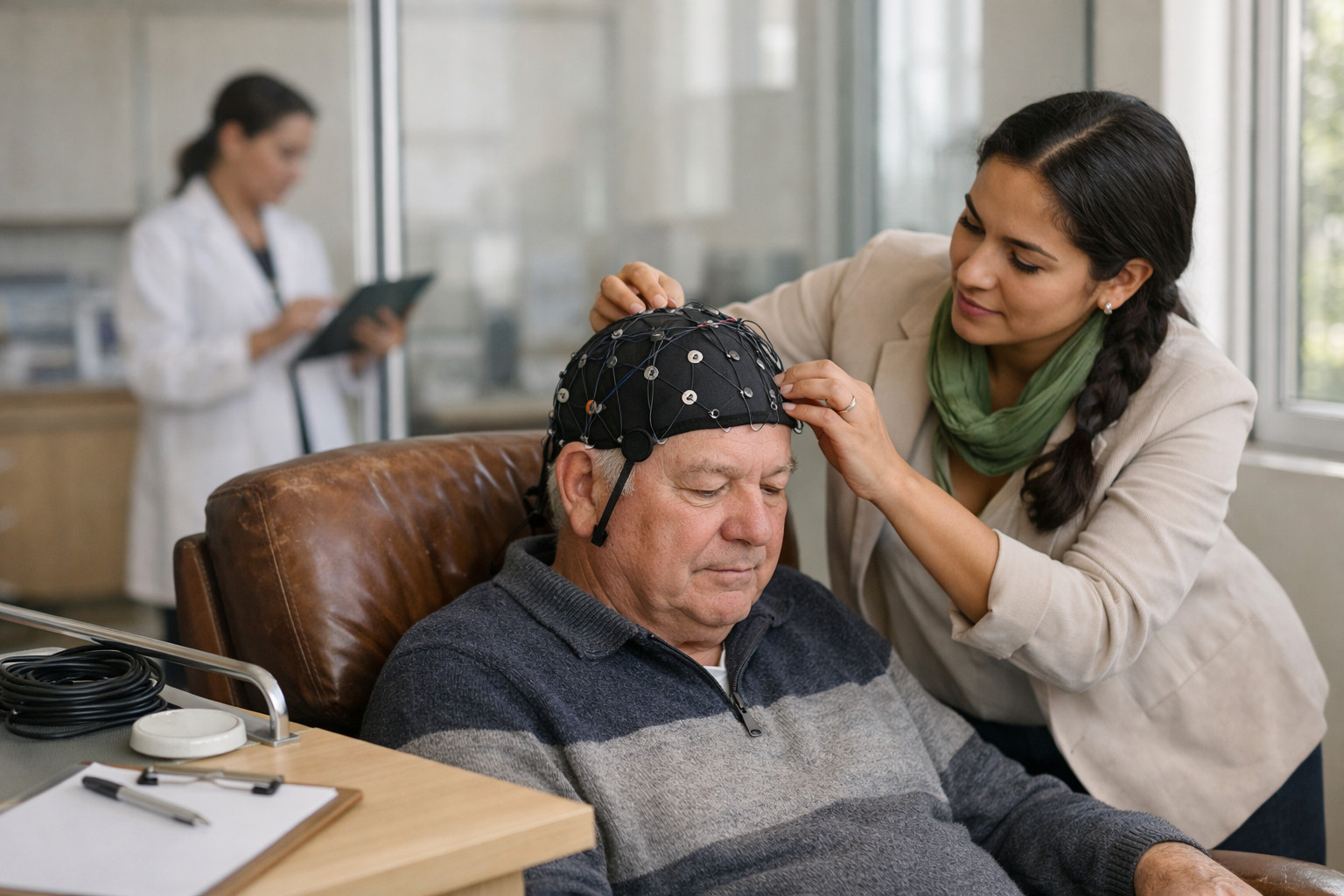
Neurofeedback is a therapeutic technique that involves providing real-time information about brain activity through the use of electroencephalography (EEG). An EEG is a test that measures and records the electrical activity of the brain by placing small electrodes on the scalp to detect and record the electrical signals produced by the brain’s neurons. An EEG categorizes the four major types of brainwaves (i.e., delta, theta, alpha, and beta) and helps to provide insights into one’s brain function and aids in the diagnosis and management of various neurological disorders. By providing these insights, it allows the patient to learn how to self-regulate, optimize their brain function, and learn about different activities that promote desirable brainwave patterns. The use of positive reinforcement helps to encourage patients to engage in these activities, as well as to reinforce the brain to continue producing these patterns. Neurofeedback is often used for various conditions, such as attention deficit/hyperactivity disorder (ADHD), anxiety, epilepsy, post-traumatic stress disorder (PTSD), and mood disorders.

Brain Stimulation Therapy (TMS and MeRT)

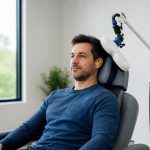
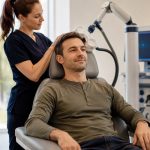
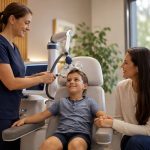
Brain stimulation therapies, including Magnetic eResonance Therapy (MeRT) and Transcranial Magnetic Stimulation (TMS) , utilize the application of controlled magnetic stimulation to modulate neural activity in the brain. These therapies are again used to treat various mental health disorders and neurological conditions. MeRT and TMS are often associated with neurofeedback simply because of their shared use of an EEG. As mentioned, neurofeedback utilizes an EEG to determine the electrical activity of the brain, then encourages self-regulation based on results. MeRT also bases its treatment plan off of a patient’s EEG results, however, it utilizes magnetic fields to stimulate nerve cells in specific regions of the brain based on those results. Treatment usually consists of 4-6 thirty-minute sessions a week and takes about 4-6 weeks depending on the patient. MeRT and TMS are non-invasive, pain-free treatments that have proven effective for depression, anxiety, memory loss, ADD, addiction, and autism.

Brain stimulation therapies and neurofeedback are both FDA approved and offer benefits in the field of mental health. However, they differ significantly in their methods and intended outcomes. To learn more about MeRT and TMS, follow our Facebook groups: MeRT Treatment for Autism USA and TMS Depression Treatment for Vets and Military Families.




Recent Posts

Also Read

A man sitting calmly in a quiet clinic consultation room considering TMS treatment for PTSD
Aug 26 2026

TMS for PTSD: What the Evidence Shows for Veterans and Civilians

PTSD is one of the conditions where the gap between what treatment can offer and what patients actually receive is widest. Trauma-focused psychotherapy works, and it...
A parent and teenage child sitting together in a bright clinic consultation room discussing TMS treatment options
Aug 19 2026

TMS for Teens: Age Limits, Evidence and What Parents Should Know

Parents who come to us about a teenager have usually been somewhere else first. There has been a diagnosis, one or two medication trials, therapy that helped somewhat...
Patient seated calmly in a TMS treatment chair wearing earplugs, with the magnetic coil arm positioned beside the headrest
Aug 12 2026

TMS Therapy Side Effects: What’s Common, What’s Rare, and How They’re Managed

Every patient who sits down for a TMS consultation asks some version of the same question: what is this going to do to me? It is a fair question, and it deserves a...
Adult patient receiving an accelerated TMS session in a modern clinic treatment chair
Jul 23 2026

Accelerated TMS Receives FDA Clearance: What It Means for Patients

The FDA has cleared accelerated TMS protocols for depression. Learn what changed, who may benefit, and why it matters for patients who travel for treatment.

Child receiving non-invasive magnetic brain stimulation session with a clinician and parent nearby
Jun 22 2026

Accelerated TMS for Autism: What Parents Should Know About Multiple Sessions Per Day

Accelerated TMS for autism explained: multiple sessions per day, theta burst stimulation, what new research shows, and what parents should know about safety.

A woman patient in a medical setting at Brain Performance Technologies, a center specializing in non-invasive brain treatments like MeRT for autism and brain health.
Jun 19 2026

Your First TMS Session: What to Expect

Your First TMS Session: What to Expect Starting any new treatment can feel intimidating, especially one that involves the brain. If you have scheduled transcranial...
A child and adult holding hands outdoors during fall, symbolizing support and care in brain health treatments at Brain Performance Technologies.
Jun 12 2026

MeRT for Autism: A Parent’s Guide to What to Expect

MeRT for Autism: A Parent's Guide to What to Expect If you are a parent exploring options for your child on the autism spectrum, you have probably encountered a lot of...
MRI scan of a human brain showing detailed neural structures, used for brain health assessment and treatment planning at Brain Performance Technologies.
Jun 05 2026

QEEG-Guided TMS for Anxiety: A Personalized Approach

TMS for Anxiety: Does It Work? A QEEG-Guided Approach Anxiety is one of the most common reasons people seek help, and for many it does not fully respond to medication...
Clinician fitting EEG cap as part of neurotechnology assessment for disorders of attention in a bright modern clinic
May 22 2026

qEEG Brain Mapping: What It Is and Why It Matters

Modern brain health care increasingly relies on data. Rather than treating every brain the same way, clinicians can now look at how an individual's brain is actually...
Comparison of MERT and TMS systems highlighting features like multimodal embedding, semantic understanding, and operational efficiency for enhanced brain performance.
May 19 2026

MeRT vs TMS: Understanding the Difference

If you have been researching non-invasive brain treatments, you have probably come across two terms that sound similar but are not quite the same: TMS and MeRT. Both...