Depression Diagnosis
Depression manifests through a wide range of symptoms such as persistent sadness, feelings of worthlessness or guilt, loss of interest or pleasure, fatigue, difficulty concentrating, and loss of interest in activities. To be diagnosed with depression these symptoms must cause significant distress or impairment in social, occupational, or other areas of functioning. Now that we know the behaviors that constitute depression, what do we do with this knowledge? How can one get diagnosed, and what troubles may someone have while trying to do so? It can be very scary to take that first step into getting clinical help and a diagnosis. Some people don’t believe in depression or other mental health illnesses, some are in denial, some may be self-medicating with alcohol or drugs, and some may think that this behavior is completely normal. In order to change these mentalities, it’s important to understand the process of diagnosis and the resources that are available to help guide you.
Depending on the patient the first step can be the easiest or the most difficult. There a many different online tests that can give you a guideline on where you are regarding depression symptoms. It can be difficult because you first must acknowledge that there is something wrong. However, these tests are anonymous, something you can do in a controlled environment that you feel most comfortable in, and there is no immediate pressure on you. Common depression screening questions are “How often do you feel down or hopeless?” “How often do you have little pleasure in doing things”? You have time to think about your results and do your own research before you take the next step toward getting a diagnosis. It is important to recognize that taking one of these tests does not provide a clinical diagnosis, you must seek a qualified healthcare professional assessment in order to receive treatment. Some tests include:
Beck Depression Inventory (BDI)
Quick Inventory of Depressive Symptomatology (QIDS)
Once one finds the courage to go to a professional, there are steps the doctor will take in order to provide you with an accurate diagnosis. In most settings, the doctor will likely ask you to fill out one of the questionnaires listed above which gives him a baseline of your symptoms. You can always bring in the results of your questionnaires to the doctor if you have filled them out previously. He will also refer to the Diagnostic and Statistical Manual of Mental Disorders (DSM-5), which outlines the specific criteria that must be met to give a diagnosis. The professional must do a physical examination and review the patient’s medical history to rule out any underlying medical conditions that could be contributing to the symptoms. Lab tests are also important in order to rule out other medical conditions that mimic depressive symptoms. Symptoms must be present for at least two weeks and represent a change of previous functioning, so duration and persistence of symptoms are also assessed. Finally, the doctor will assess the severity of depression, which gives him insight into the best treatment options for the patient.
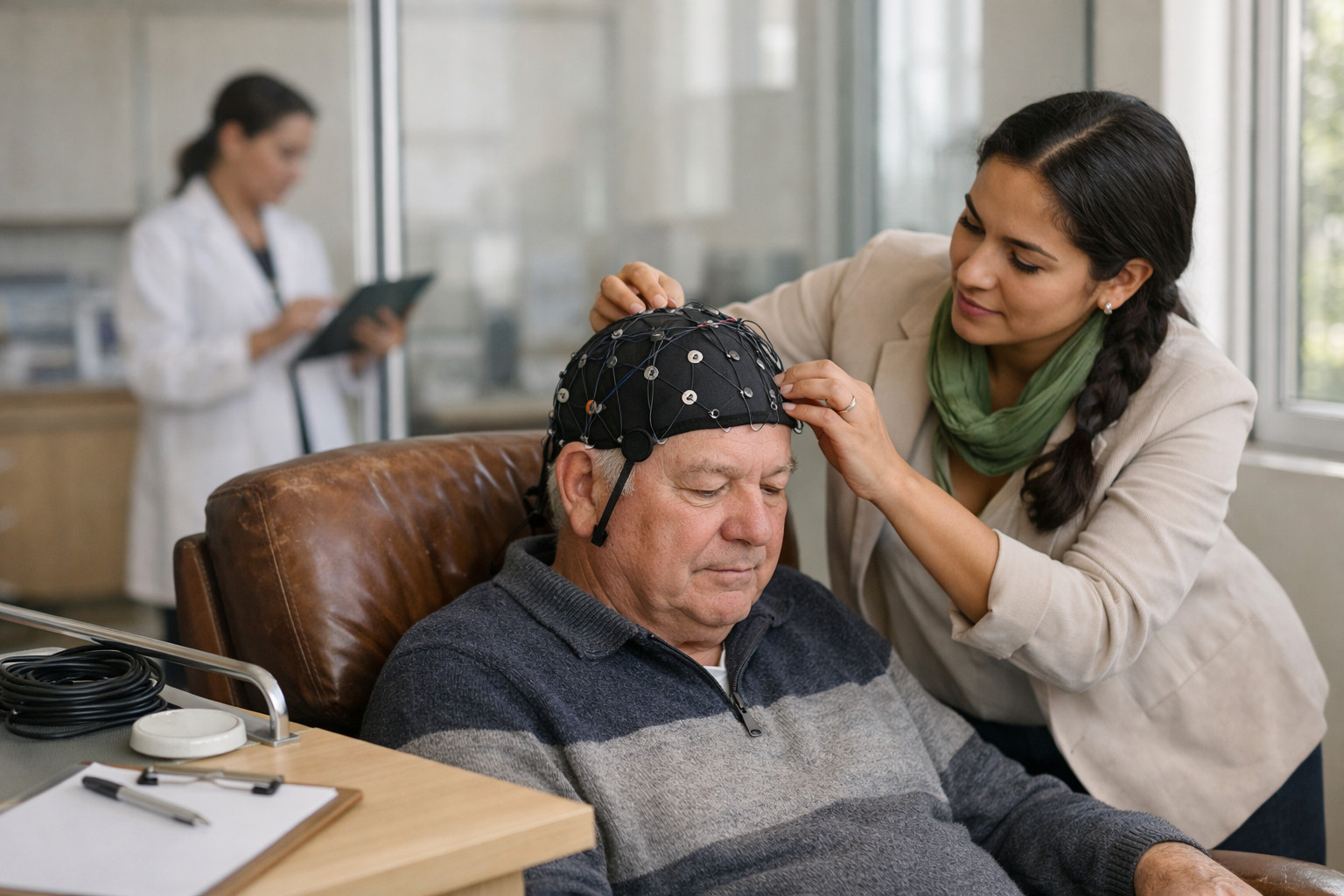
Treatment for depression is individualized and the most effective treatment may be different from person to person. In recent years the use of technology and brain stimulation has become more recognized in the treatment plan for depression. MeRT (Magnetic eResonance Therapy) is a form of brain stimulation that helps the parts of the brain that are not communicating as they should. A brain that is functioning optimally can lead to dramatic improvements and learning in all the traditional forms of therapy for depression. Research articles on MeRT and depression can be found here.
There are several diagnoses of depression including clinical depression, persistent depressive disorder (PDD), disruptive mood dysregulation disorder (DMDD), and Major Depressive Disorder (MDD) . It can be scary hearing all these big words, not knowing what they mean. The important thing to remember is that there is treatment for all of them. That is why it is crucial to seek a medical professional and get an accurate diagnosis. It is also important to recognize that depression is not something that solely begins in childhood, its onset can be at any age. You may have gone through most of your life never feeling depressed, and then one day you wake up feeling like a failure and everyone would be better off if you weren’t here. A similar situation happened with a woman named Nora Super. In 2005 at the age of 41, she had her first episode of MDD. She’d been dealing with the stress of divorce, grad school, and working full time, and she had just witnessed the destruction of her hometown by Hurricane Katrina. After struggling with other treatments, like group therapy and antidepressants, she found electroconvulsive therapy (ECT) and it saved her life. The first treatment you try may not be effective, maybe even the second one, but there is something out there for everyone. Work with your doctor to find it.
FAQs
Q: How can I manage my depression at home on a daily basis?
A: If you reference our blog on Major Depressive Disorder (MDD), there are many online resources that can help with symptom management and can help you to learn more about depression. You can also read about the different treatments for MDD on this blog.