Post Traumatic Stress Disorder (PTSD) is a mental health condition that is in response to the experience of a single traumatic event or the result of prolonged exposure to traumatic experiences. Society often minimizes one’s symptoms of PTSD based on the severity of the trauma.
Many people believe that PTSD is only something those who have faced military combat may experience, which can lead to the underrecognition and underdiagnosis of the condition in other populations. Some other causes of PTSD include experiences such as physical or sexual assault, childhood trauma, severe accidents, or natural disasters.
It is important to recognize the characteristics of PTSD that cause significant distress or impairment in social, occupational, or other areas of functioning including, intrusion symptoms (e.g., flashbacks and nightmares), avoidance of stimuli related to the traumatic event, and hyperarousal and reactivity, (e.g., anxiety and irritability).
1. Best Possible Treatments For PTSD
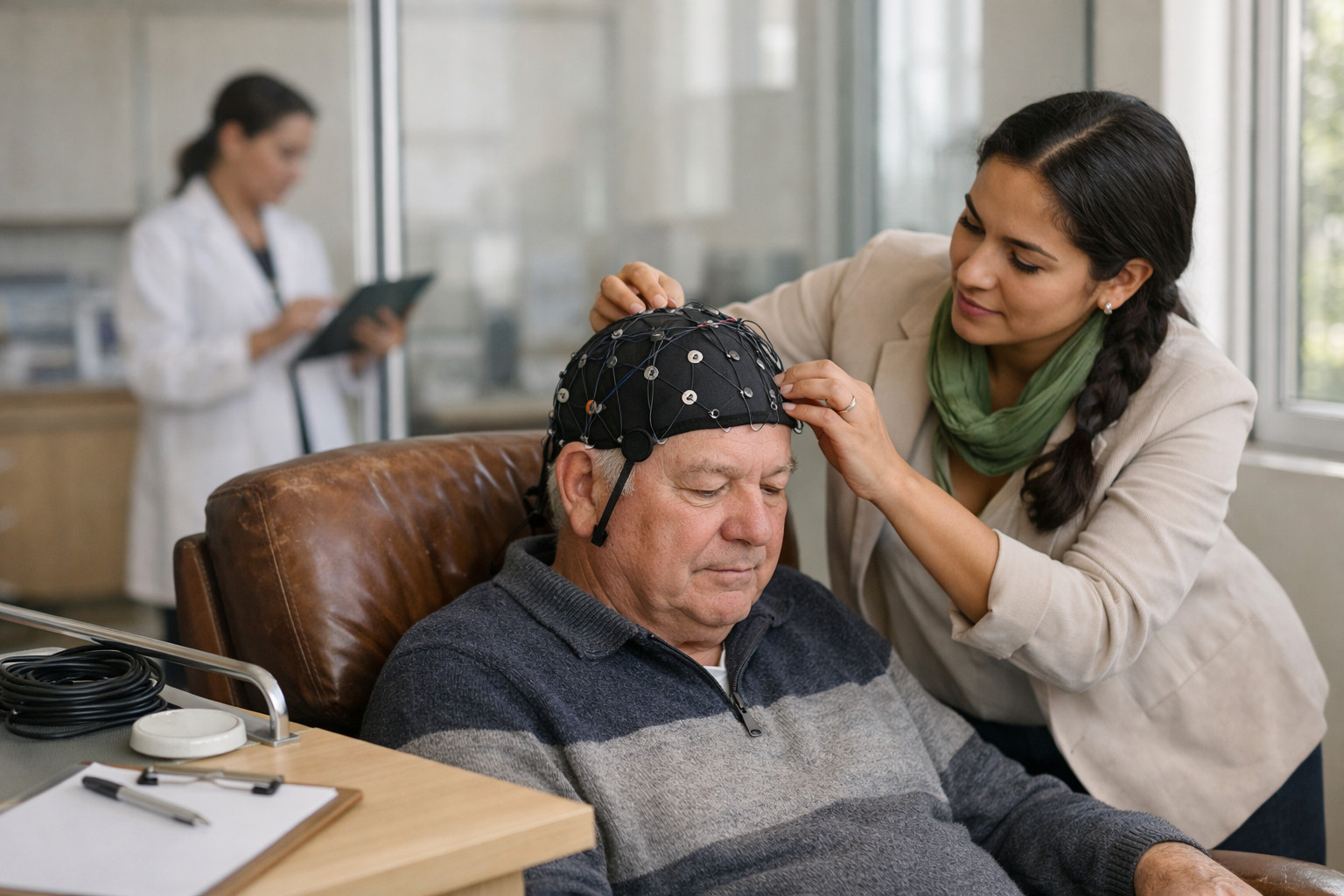
The best treatment for PTSD includes a combination of medication, psychotherapy, for example, CBT and Exposure therapy, and physician support. However, the most effective treatment for PTSD varies based on patient symptoms. In recent years the use of technology and brain stimulation has become more recognized in the treatment plan for PTSD.
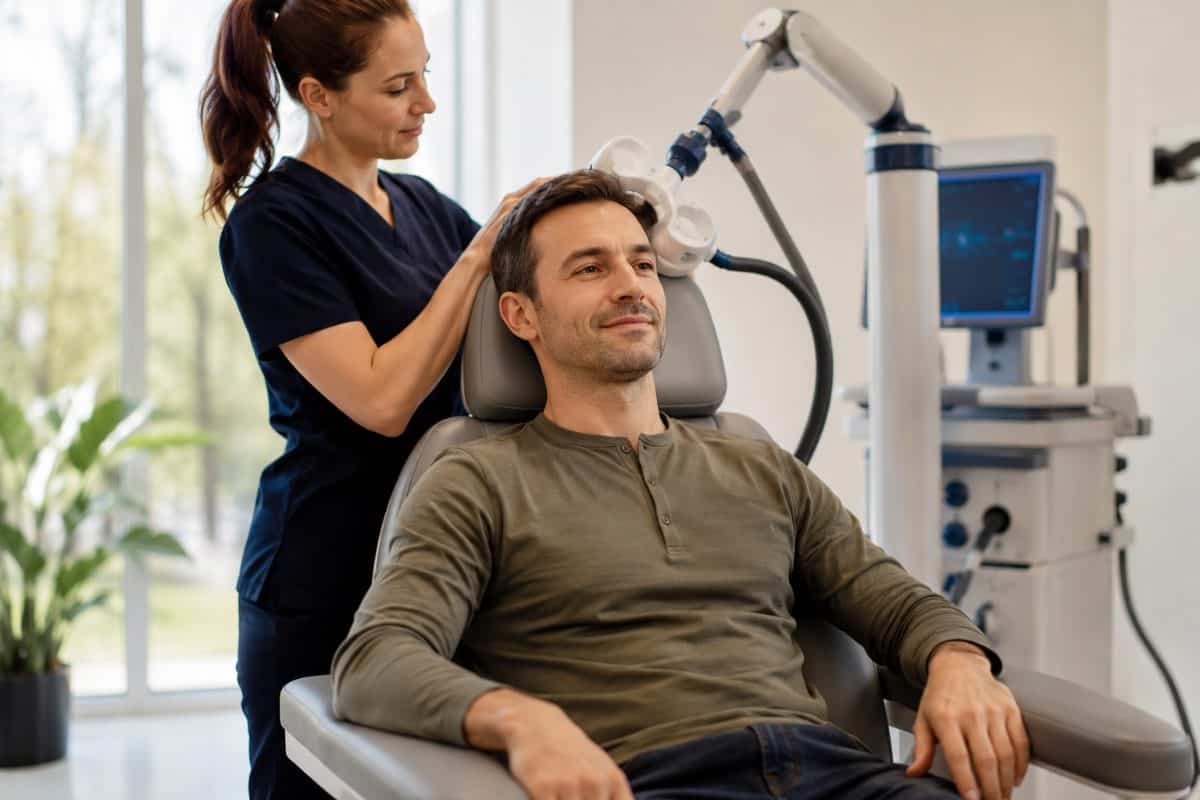
MeRT (Magnetic eResonance Therapy) is a form of brain stimulation that helps the parts of the brain that are not communicating as they should. A brain that is functioning optimally can lead to dramatic improvements and learning in all the traditional forms of therapy for PTSD. Research articles on MeRT and PTSD can be found here.
1.1 Medication
Often used in conjunction with psychotherapy and physician support, medications are used to target the individual’s specific symptoms. Commonly prescribed medications for PTSD include Selective Serotonin Reuptake Inhibitors (SSRIs) to help alleviate depression and anxiety, Prazosin to help manage nightmares and other sleep disturbances, and Benzodiazepines, which are sedatives that help manage insomnia and anxiety.
1.2 Psychotherapy
Some of the most common and best therapies for PTSD include Cognitive Behavioral Therapy (CBT), Eye Movement Desensitization and Reprocessing (EMDR), Prolonged Exposure (PE) Therapy, Trauma-Focused Cognitive Behavioral Therapy (TF-CBT), and Acceptance and Commitment Therapy (ACT). These behavioral interventions can help individuals with PTSD manage their symptoms.
1.3 Cognitive Behavioral Therapy (CBT)
CBT, one of the most recommended and researched treatments for PTSD, focuses on identifying and challenging negative thoughts and beliefs that are directly related to the traumatic event. It typically involves components like psychoeducation, cognitive restructuring, Exposure Therapy, Behavioral Activation, and relaxation techniques.
Cognitive Restructuring encourages individuals to reframe unhelpful thoughts that contribute to their distress and help them to replace them with more realistic thinking patterns, while Exposure Therapy, works to help individuals confront and process their traumatic memories and associated triggers safely.
Trauma-Focused CBT is usually more specific to children and adolescents and must involve a parent or caregiver to support the child’s recovery. It combines CBT techniques to target specific trauma.
1.4 Eye Movement Desensitization and Reprocessing (EMDR)
EMDR is another common treatment for PTSD. It integrates elements of exposure therapy with bilateral stimulation techniques where the individual recalls their traumatic event while simultaneously focusing on external stimuli. The stimuli can include eye movement like following the therapist’s finger, tactile sensations, or auditory tones. This treatment is effective for individuals with PTSD because it facilitates the processing of traumatic memories by integrating them into a broader cognitive-emotional framework reducing emotional intensity and distress.
1.5 Prolonged Exposure Therapy
It was designed specifically for PTSD aiming to address symptoms of PTSD such as intrusive thoughts, avoidance behaviors, and heightened arousal. It includes two main components: Imaginal Exposure and Vivo Exposure. Imaginal Exposure asks individuals to vividly recount and describe the traumatic event while reminding them that they are in a safe and controlled environment.
Talking about and describing a traumatic event has proven to reduce stress and encourage emotional processing. Vivo Exposure involves gradually facing avoided situations or activities associated with the event. By exposing themselves to the triggers, individuals can learn that the feared outcomes do not occur, decreasing avoidance behaviors.
1.6 Acceptance and Commitment Therapy
Acceptance and Commitment Therapy is most beneficial for individuals with PTSD who experience high levels of shame, guilt, or self-judgment. ACT aims to reduce the patient’s struggle with unwanted thoughts and feelings, promoting psychological flexibility. It guides patience to acceptance of unwanted emotions while also taking actions aligned with one’s values.
1.7 Brain Stimulation
As mentioned, brain stimulation techniques like MeRT have become more recognized as beneficial treatments for PTSD. Our partner Wave Neuro has compiled decades of data-driven analytics, research, and collaboration with members of science, medicine, and technology to deliver innovation to the mental health industry. You can find research that they have conducted showcasing the positive effects of brain stimulation for patients with PTSD here.
2. FAQs
Q: How do I know what treatment would be best for me/someone I know?
A: It is important to recognize that the best treatment for PTSD varies from person to person. One treatment may work for another individual but may not affect you. The first step should be to seek professional help and get an assessment and diagnosis from a mental health professional. Based on your assessment, you and the professional will discuss various treatment options that are suitable for your specific situation. Ensure you maintain open communication with your mental health professional and make them aware of any concerns or questions you may have.